
Fascinating Ocean Life Facts: From Deep Sea Mysteries to Sharks

Introduction
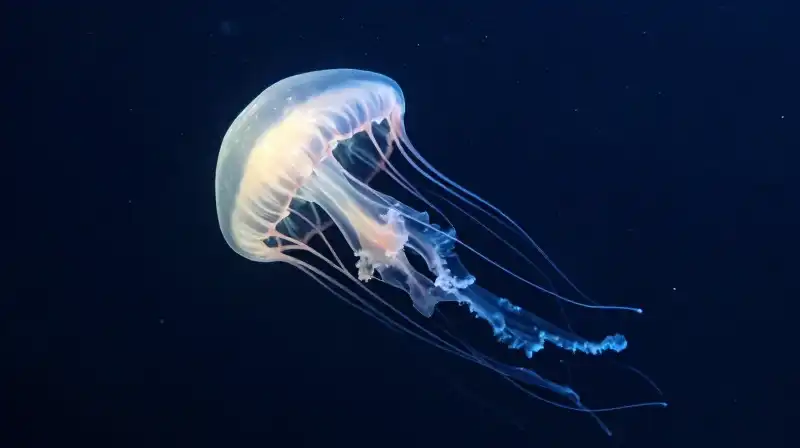
The ocean is the planet’s largest living space, housing an estimated 50% to 80% of all life on Earth. Yet, despite its importance to our global ecosystem, humans have explored less than 10% of this vast frontier. This massive gap between what we know and what exists is why marine biology remains one of the most exciting fields of science; we are essentially studying a different world every day. From the crushing pressures of the deepest trenches to the complex social structures of marine mammals, the ocean holds secrets that challenge our understanding of biology and physics.
The Limits of the Deep Sea
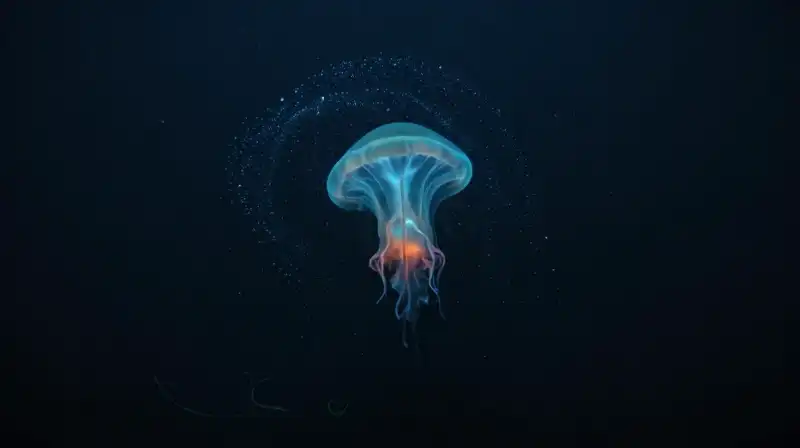
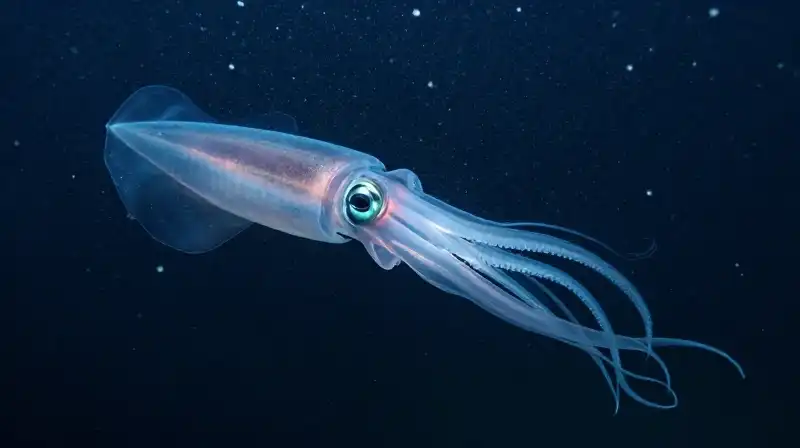
The deep sea is not just a place; it is an environment defined by extremes. Comprising 85% of the ocean’s area and 90% of its total volume, it is a world of perpetual darkness and intense cold. To understand how life persists here, we must first look at the physical constraints of the habitat.
Extreme Pressure and Sound
At the very bottom of the ocean, the weight of the water above creates conditions that are difficult for the human mind to visualize. In the Challenger Deep—the lowest known point on Earth at 11,034 meters—the pressure exceeds 11,318 tons per square meter. To put this scale into perspective, it is roughly equivalent to a single person attempting to support the weight of 50 jumbo jets.
Beyond pressure, the way information moves through this environment is fundamentally different from life on land. Sound travels nearly five times faster in water than it does in air, moving at a speed of 1,435 meters per second. This rapid transmission of sound is a vital tool for many species living in the dark, where sight is of little use.
Hidden Geography
The ocean floor is far from a flat, sandy plain. It contains geological features that dwarf terrestrial landmarks. The Mid-Ocean Ridge, for example, is a massive underwater mountain range spanning over 50,000 km. This range is actually four times longer than the combined length of the Andes, the Rockies, and the Himalayas.
Debunking Shark Myths
When people think of sharks, they often imagine a constant threat. However, the reality of shark biology and behavior is much less cinematic and much more nuanced. Many of the “scary” ocean life facts found in popular media are based on a misunderstanding of shark diversity and distribution.
- Size Diversity: While famous species like the Great White are massive, they are the exception. Approximately 80% of the more than 500 known shark species grow to less than 1.6 meters in length, making them far less likely to be encountered by humans.
- Bite Statistics: Out of hundreds of species, only 32 documented shark species have been involved in biting humans.
- Regional Distribution: Most people associate shark bites with large predators like Great Whites, Tigers, or Bull sharks. However, 80% of all recorded shark bites likely occur in tropical and subtropical waters, where Great Whites are relatively rare.
Biological Wonders and Sensory Adaptations
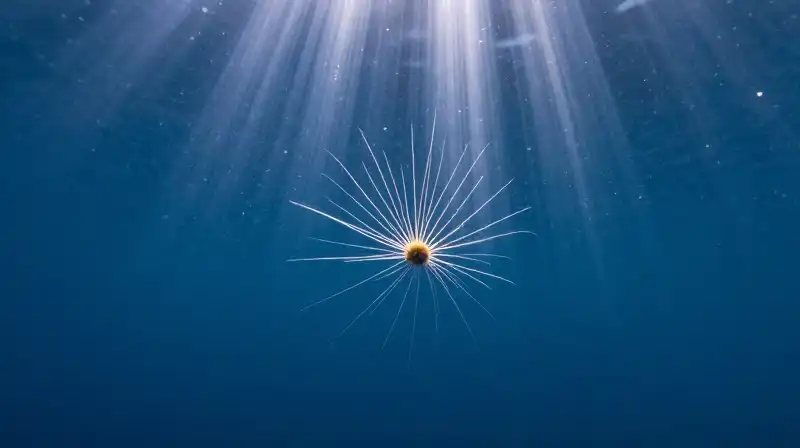
Marine life has evolved incredible specialized traits to survive in environments where traditional senses, like vision, are often limited. Scientists also use these unique biological markers to study the history of these creatures.
How Scientists Study Fish
Determining the age of a marine animal is crucial for understanding population health and conservation needs. Rather than relying on guesswork, scientists can determine the age of a fish by examining the growth rings found on their scales or their ear bones.
Sensory Superpowers
Some marine mammals possess sensory adaptations that allow them to “see” without eyes. For example, certain seals use their whiskers to detect minute vibrations caused by swimming prey. This tactile sensitivity is so advanced that even blind seals can hunt effectively in the wild.
Conservation and the Challenges of Biodiversity
As we attempt to catalog marine life, we are racing against time. While there are currently 243,613 accepted marine species, scientists estimate that as many as 25 million species may still be undiscovered or unclassified. This makes protecting existing habitats a high priority.
| Species Group | Status/Example | Context |
|---|---|---|
| Sea Turtles | Protected (U.S.) | All six resident species (including Green, Hawksbill, and Leatherback) are protected under the Endangered Species Act. |
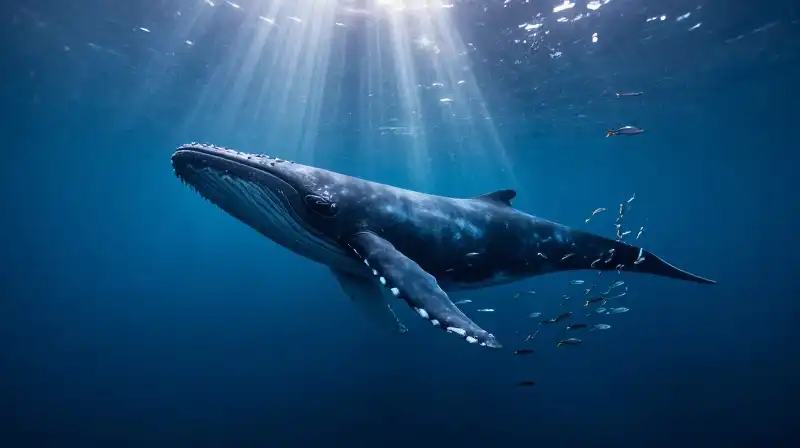
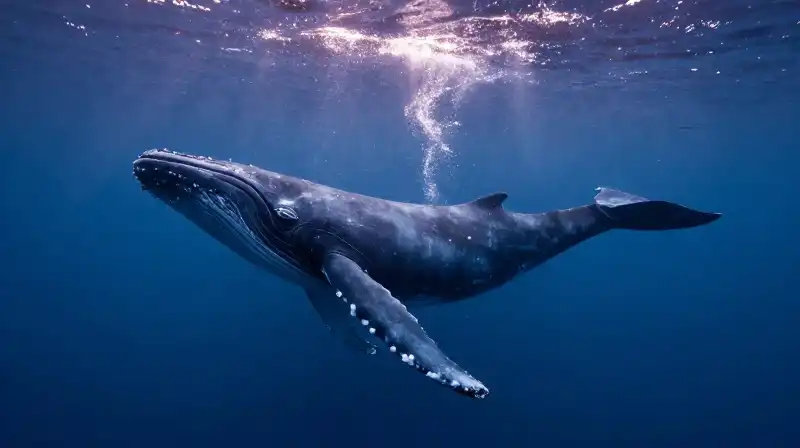
| Whales | Endangered (Right Whale) | The North Atlantic Right Whale is one of the most endangered whales off U.S. coasts, named for how easy it was historically to hunt due to its slow movement. |
Common Questions About Sea Life
What are some sad facts about sea life?
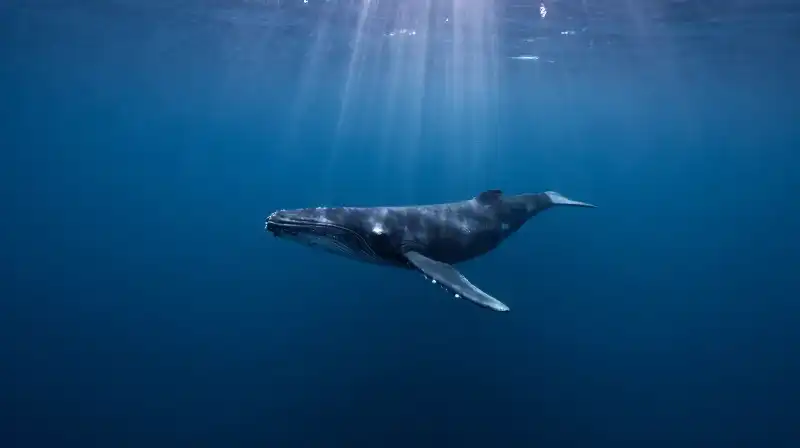
The most significant “sad facts” regarding marine life often revolve around extinction and habitat loss. For example, the North Atlantic Right Whale is facing extreme extinction risks due to historical hunting and modern threats. Additionally, the fact that we have discovered only a tiny fraction of the ocean’s potential species means that many animals may go extinct before we even know they exist.
The Unseen World
The ocean is a paradox: it is both a massive, intimidating frontier and a delicate, highly specialized ecosystem. From the crushing depths of the Challenger Deep to the subtle vibrations felt by a seal’s whiskers, marine life thrives by mastering the extreme. Understanding these ocean life facts helps shift our perspective from seeing the sea as a scary, unknown void to seeing it as a complex, vital part of our planet that requires our respect and protection.
Facts sourced from peer-reviewed marine biology research, NOAA, and the Smithsonian Ocean Portal. Our editorial team fact-checks all content against current scientific literature.
Frequently Asked Questions
What are some sad facts about sea life?
The North Atlantic Right Whale faces extreme extinction risks due to historical hunting and modern threats. Additionally, many species may go extinct before they are even discovered because only a tiny fraction of the oceans potential species have been identified.
How to determine the age of a fish
Examine growth rings on scales
Examine the growth rings found on the fish's scales.
Examine ear bones
Examine the growth rings found on the fish's ear bones.
Related Articles