Surprising Cookiecutter Shark Facts and Bizarre Behaviors

Introduction
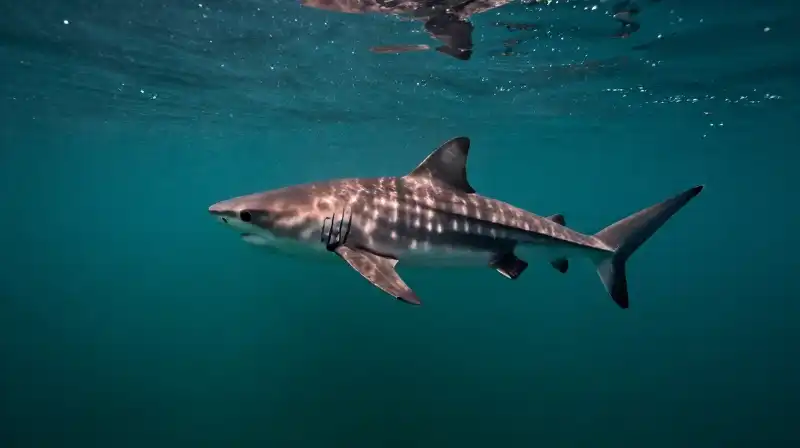
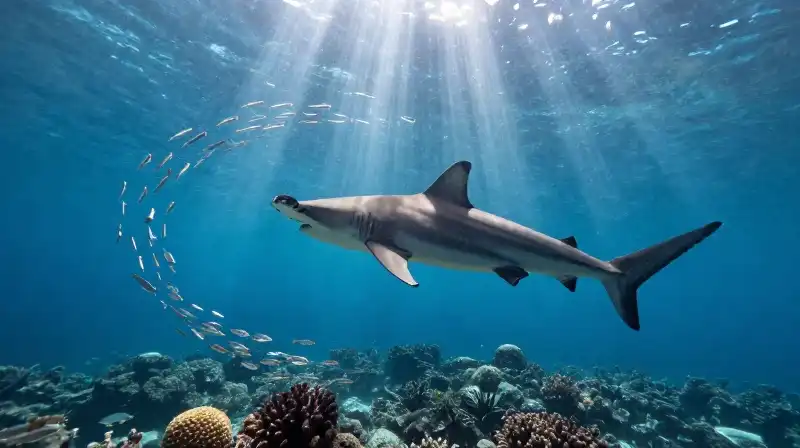
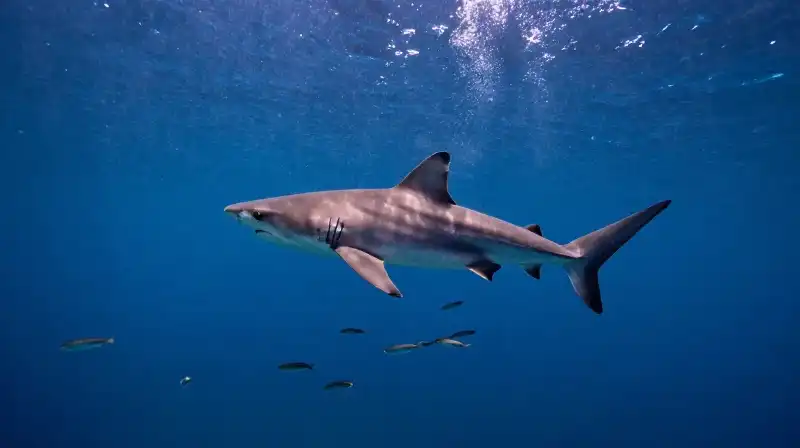
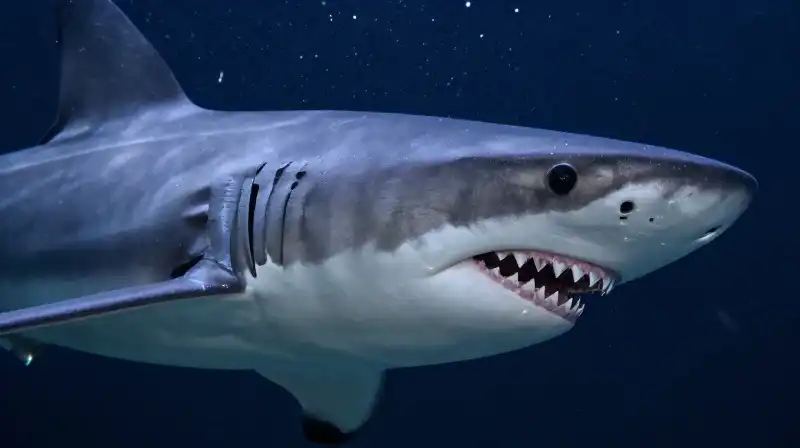
Imagine a predator that looks more like a small, cigar-shaped fish than a terrifying shark, yet possesses the ability to take bites out of animals many times its own size. This is the reality of the cookiecutter shark (Isistius brasiliensis). Despite its modest stature, this specialized marine resident has earned a reputation for leaving perfectly circular, conical wounds on everything from tuna and stingrays to massive whales and even Great White sharks. Rather than being a traditional apex predator that hunts to kill, the cookiecutter shark operates as an ectoparasite, taking small “plugs” of flesh and moving on, leaving its much larger host to survive the encounter.
Physical Profile and Habitat
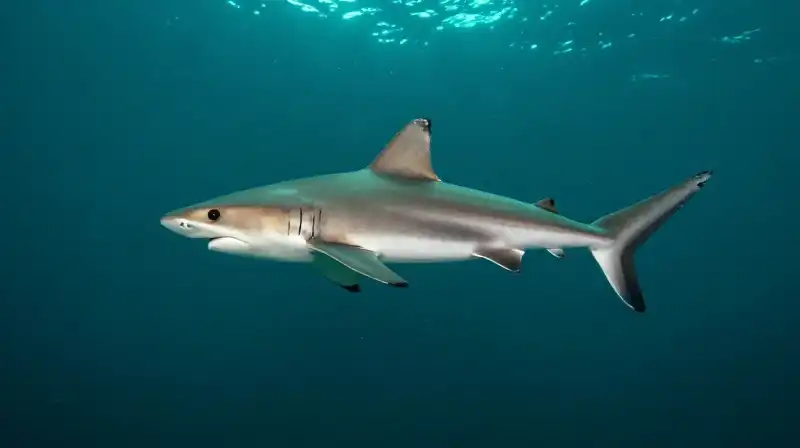
While many people associate sharks with massive proportions, the cookiecutter shark is relatively small. Its size varies slightly between the sexes, a common trait in many shark species.
| Feature | Description/Measurement |
|---|---|
| Male Size | Maximum length of approximately 1.3 feet (39 cm). |
| Female Size | Can grow larger than males, reaching over 1.6 feet (50 cm). |
| Primary Habitat | Warm, oceanic waters found across the Atlantic, southern Indian, and Pacific Oceans. |
| Typical Depth | Spends days in deep water, roughly 3,000 feet (914 meters) down. |
These sharks are active participants in a daily vertical migration. They spend their daylight hours in the deep, dark reaches of the ocean and rise to shallower waters at night to feed.
The “Cookiecutter” Method: How They Feed
The shark’s namesake feeding style is a marvel of biological engineering. It does not simply bite; it uses a precise mechanical process to extract a piece of tissue.
- Suction: The shark uses specialized suctorial lips to create a vacuum against the skin of its prey.
- Rotation: Once a seal is established, the shark uses its serrated lower teeth and a rapid, spinning body movement to carve through the flesh.
- Extraction: The result is a circular plug of flesh removed from the host. While the name “cookiecutter” suggests a perfectly flat circle, some experts note that the wounds are actually more conical in shape.
Bioluminescence and Hunting Tactics
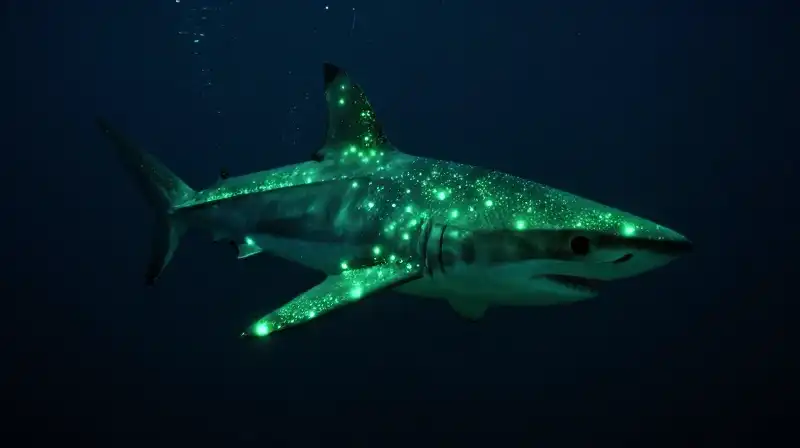
One of the most fascinating cookiecutter shark facts involves its ability to glow. The underside of the shark is covered in light-emitting organs known as photophores, which emit a bright green light. Scientists believe this bioluminescence serves a “bait and switch” tactical purpose in the dark ocean depths.
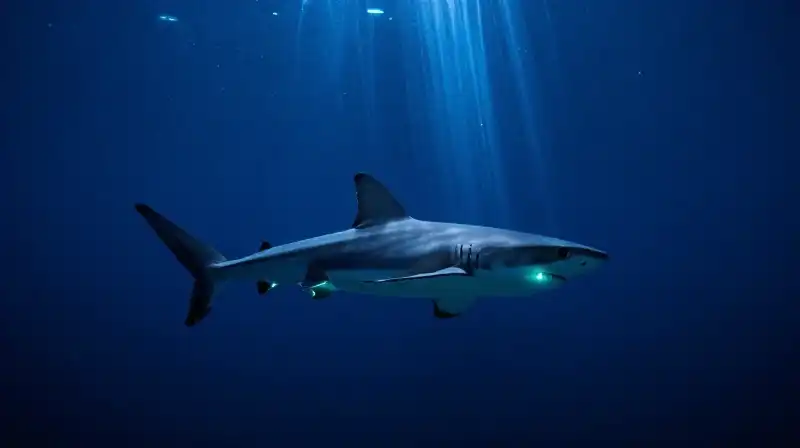
There are two primary theories for this behavior: the green glow may mimic the appearance of a small, harmless fish to lure curious prey closer, or the light may act as a “strobe” around the shark’s throat, drawing larger predators toward its mouth—the shark’s most effective “business end”—to facilitate a feeding opportunity.
Bizarre Biological Traits
Beyond its feeding habits, the cookiecutter shark possesses several unique biological adaptations that distinguish it from other sharks:
- Tooth Recycling: In a highly unusual move, the shark loses its entire bottom row of 25–31 triangular teeth as a single unit. It then ingests these teeth, which scientists believe may be a way to recycle calcium back into its body.
- Reproduction: This species is believed to be ovoviviparous. This means the embryos develop inside egg sacs within the mother’s uterus, and she eventually gives birth to live young.
Are Cookiecutter Sharks Dangerous?

A common question regarding this species is whether they pose a threat to humans or technology. The answer is nuanced.
To Humans: While they are not considered a primary threat to people, they are not entirely harmless. There have been documented cases of cookiecutter sharks biting long-distance swimmers. However, they do not actively hunt humans; encounters are typically accidental.
To Technology: Interestingly, these sharks have proven to be a nuisance to maritime engineering. They have been known to bite large chunks out of the neoprene-covered sonar domes of nuclear submarines.
Conservation Status
Despite their somewhat “scary” reputation due to the wounds they leave behind, the cookiecutter shark is not currently under threat from human activity. According to the IUCN Red List, the species is considered of “Least Concern”. Because they are small, they are rarely targeted by commercial fishing, though they can occasionally be caught as bycatch.
Conclusion
The cookiecutter shark is a testament to the specialized niches available in the deep ocean. By evolving to act as an ectoparasite, it has found a way to feed on the largest inhabitants of the sea without the energy-intensive need to kill them. From its bioluminescent hunting tactics to its strange method of recycling its own teeth, the Isistius brasiliensis remains one of the most biologically intriguing examples of how life adapts to survive in the vast, dark reaches of the world’s oceans.
Facts sourced from peer-reviewed marine biology research, NOAA, and the Smithsonian Ocean Portal. Our editorial team fact-checks all content against current scientific literature.
Frequently Asked Questions
What are some fun facts about cookie cutter sharks?
Cookiecutter sharks use bioluminescent organs to lure prey and possess a unique ability to ingest their own lost teeth to recycle calcium. They also feed by using suction and a spinning body movement to carve conical plugs of flesh from much larger animals.
How the cookiecutter shark feeds
Suction
The shark uses specialized suctorial lips to create a vacuum against the skin of its prey.
Rotation
Once a seal is established, the shark uses its serrated lower teeth and a rapid, spinning body movement to carve through the flesh.
Extraction
The result is a circular plug of flesh removed from the host, often in a conical shape.
Related Articles