
9 Fascinating Facts About the Atlantic Ocean You Should Know

Introduction
Spanning roughly 20% of the Earth’s total surface, the Atlantic Ocean is a vast, restless expanse that has shaped human history and global weather patterns for millennia. While many people think of it simply as the body of water separating the Americas from Europe and Africa, it is a complex, living system defined by massive mountain ranges, unique seas without shores, and powerful currents that regulate our planet’s temperature. From its mythological roots to its role as a driver of climate, the Atlantic holds secrets that go far beyond what a simple map can show.
9 Fascinating Facts About the Atlantic Ocean
To understand the scale and complexity of this ocean, we have to look at its geology, its unique geography, and the life it supports. Here are nine key facts that define the Atlantic.
- It is a relatively “young” ocean: While the Earth is billions of years old, the Atlantic is considered the youngest of the world’s five oceans. It began forming during the Jurassic period, approximately 150 million years ago, as tectonic plates pulled apart.
- The name means “Sea of Atlas”: The Atlantic gets its name from Greek mythology. It is derived from the Titan Atlas, a figure believed to hold up the heavens.
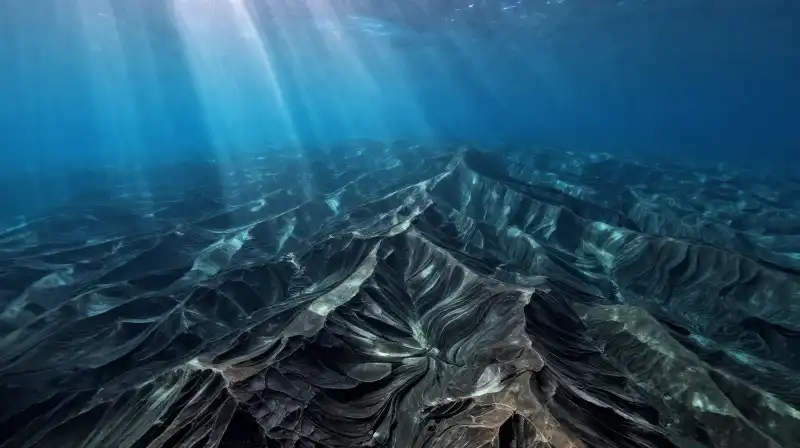
- It contains the world’s longest mountain range: Hidden beneath the waves is the Mid-Atlantic Ridge. This underwater mountain range is significantly larger than any on land, measuring four times the length of major terrestrial ranges like the Andes or the Himalayas.
- It is the saltiest of the major oceans: Compared to other oceanic bodies, the Atlantic holds a higher concentration of salt.
- It features a sea without land boundaries: The Sargasso Sea is a unique phenomenon located within the Atlantic. Unlike any other sea, it has no coastline; instead, it is defined by the swirling ocean currents that trap floating Sargassum seaweed within its center.
- It reaches incredible depths: The deepest part of the Atlantic is the Milwaukee Deep, located within the Puerto Rico Trench. Depending on the measurement used, depths here can reach between 10,955 feet and approximately 28,000 feet.
- It acts as a global thermostat: Through a system known as the Atlantic Meridional Overturning Circulation (AMOC), the ocean moves warm water from the tropics toward the North Atlantic. This massive “conveyor belt” of currents is vital for regulating the global climate.
- It was a pioneer for human travel: The Atlantic holds the distinction of being the first ocean to be crossed by both ship and airplane.
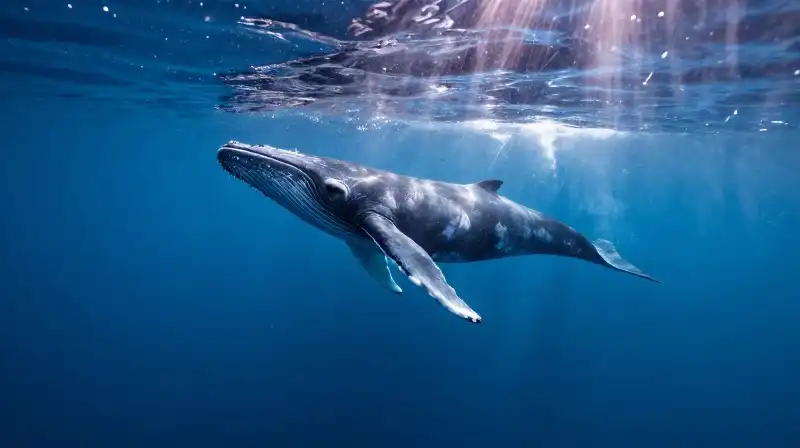
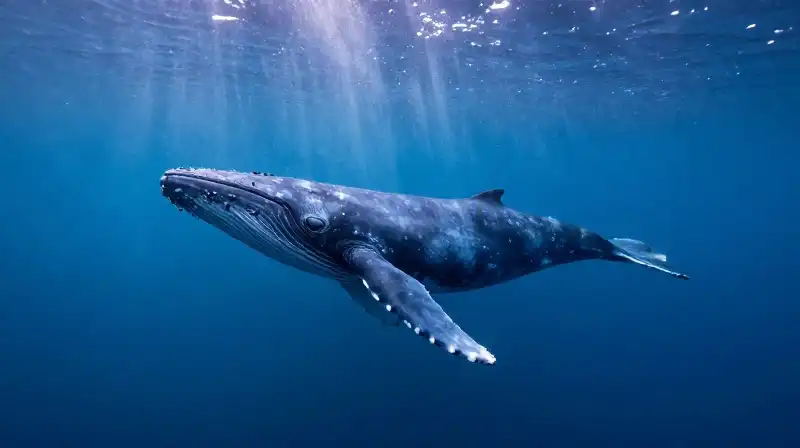
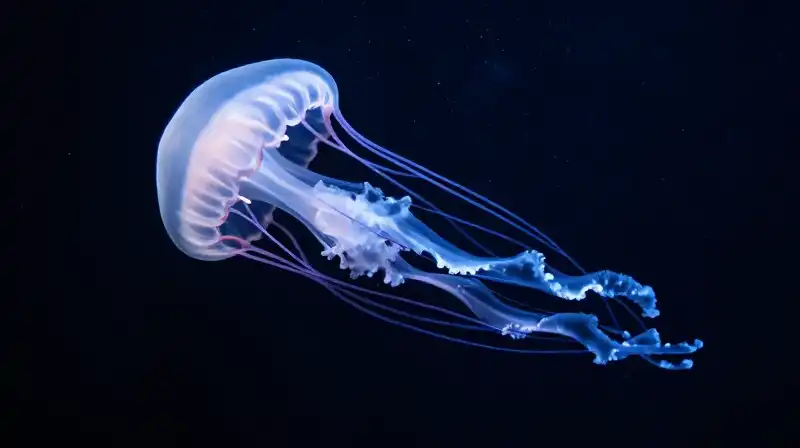
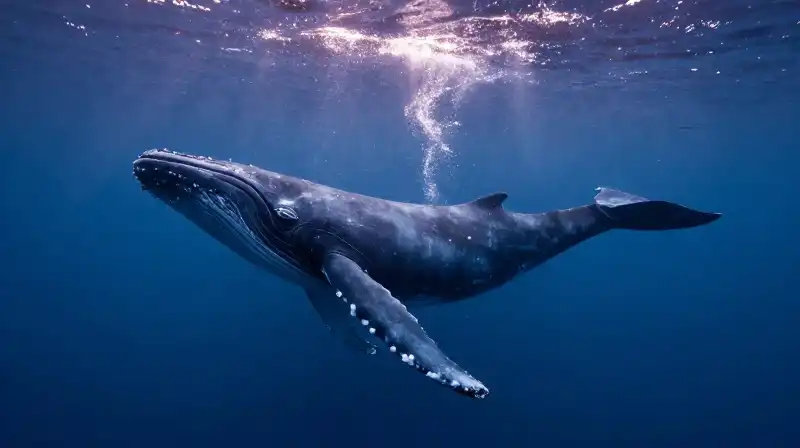
- It is a massive biodiversity hotspot: The ocean supports a staggering variety of life, from massive whales and dolphins to complex coral reef ecosystems and bioluminescent creatures dwelling in the deep sea.
Comparing Atlantic Depths and Scales
To put the scale of the Atlantic into perspective, it helps to compare its most extreme features to well-known landmarks.
| Feature | Description/Scale | Significance |
|---|---|---|
| Mid-Atlantic Ridge | 4x longer than the Andes or Himalayas | The longest mountain range on Earth. |
| Milwaukee Deep | Up to ~28,000 feet deep | The Atlantic’s deepest point. |
| Surface Coverage | ~20% of Earth’s surface | The second-largest ocean on the planet. |
What is the Atlantic Ocean most known for?
Most people recognize the Atlantic for its historical role in global exploration and its connection between the Old and New Worlds. However, scientifically, it is most known for its role in climate regulation via the AMOC currents and its massive geological feature, the Mid-Atlantic Ridge. It is also a major center for marine biodiversity, hosting everything from coastal reefs to specialized deep-sea life.
Addressing Common Misconceptions: Sharks and Safety
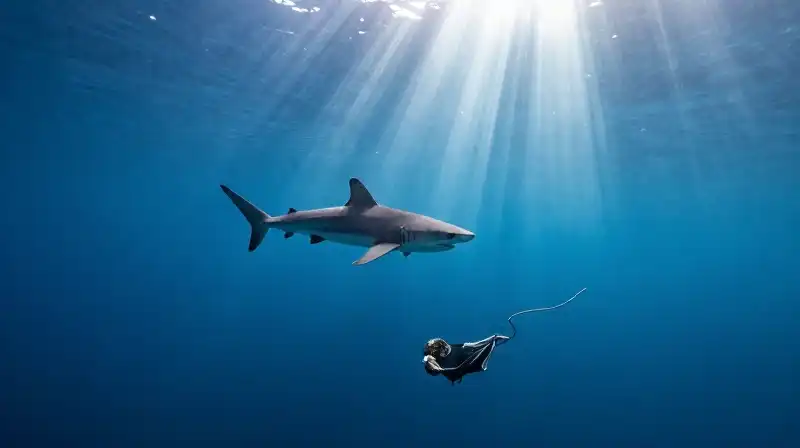
When discussing the Atlantic, conversations often turn to the perceived dangers of its predators, specifically sharks. There is a common belief that sharks are aggressive hunters looking for human prey, but the science suggests otherwise. For example, a study of 139 shark attacks in Florida found that most incidents occurred in the afternoon, and statistically, people are more likely to be injured by common household items, such as room fresheners, than by a shark.
The real danger to Atlantic marine life isn’t the lack of human awareness, but rather human activity itself. Conservation is a major concern, as human fishing activities pose a significant threat to shark populations. Estimates suggest that between 20 to 100 million sharks are killed annually. Protecting these apex predators is essential for maintaining the balance of the entire Atlantic ecosystem.
The Importance of the Atlantic Ecosystem
The Atlantic Ocean is much more than a body of water; it is a dynamic engine for the planet. Its ability to move heat through the AMOC prevents extreme temperature swings in many parts of the world, and its unique habitats like the Sargasso Sea provide specialized environments for countless species. Understanding the Atlantic—from its volcanic ridges to its delicate shark populations—is fundamental to understanding how our global environment functions and how we might better protect it.
Facts sourced from peer-reviewed marine biology research, NOAA, and the Smithsonian Ocean Portal. Our editorial team fact-checks all content against current scientific literature.
Frequently Asked Questions
What is the Atlantic Ocean most known for?
Most people recognize the Atlantic for its historical role in global exploration and its connection between the Old and New Worlds. Scientifically, it is most known for its role in climate regulation via the AMOC currents and its massive geological feature, the Mid-Atlantic Ridge.
Related Articles