
10 Fascinating Facts About Jellyfish and Their Secrets

Introduction
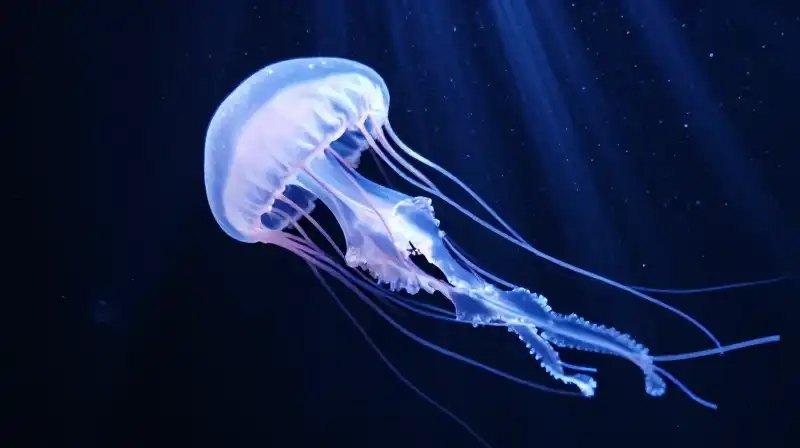
Long before the first dinosaur roamed the Earth, jellyfish were already masters of the ocean. These ancient invertebrates have navigated the seas for millions of years, outlasting countless other species through sheer biological simplicity and resilience. While they often appear as ghostly, drifting shapes, jellyfish are far more complex than their translucent bodies suggest. From the ability to “reverse” aging to possessing specialized vision, these creatures occupy a unique niche in marine biology, serving as both vital prey and fascinating examples of evolutionary success.
10 Fascinating Facts About Jellyfish
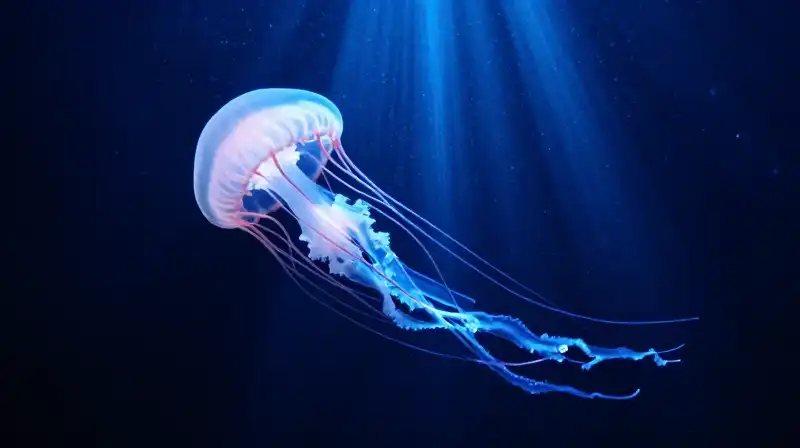
To understand why jellyfish are so much more than just “drifting blobs,” we have to look at their unique anatomy and specialized survival strategies. Here are ten key insights into their lives.
- They are ancient survivors: Jellyfish predated the existence of dinosaurs, proving that their fundamental design is incredibly effective for survival in a changing ocean.
- A lack of complex organs: Most jellyfish operate without a brain, heart, or bones. Instead, they consist of a bag-like body equipped with tentacles armed with stinging cells used to paralyze prey.
- The “Immortal” Life Cycle: The Turritopsis dohrnii, commonly known as the “immortal jellyfish,” possesses a biological superpower. If it faces extreme temperatures, starvation, or injury, it can transform from an adult medusa back into a polyp, essentially restarting its life cycle.
- Advanced vision in some species: While many jellyfish lack eyes, the box jellyfish is a notable exception. They possess 24 eyes distributed across their bells, which provides them with 360-degree vision.
- Active swimmers, not just drifters: While many jellyfish rely on ocean currents to move, box jellyfish are capable of active propulsion, reaching speeds of up to 6 meters per minute or 8km/h.
- Multi-purpose mouths: A jellyfish’s mouth serves several roles: it is used for both eating and expelling waste, and it can even be used to propel the creature forward by squirting a jet of water.
- Rapid digestion for buoyancy: To maintain their buoyancy and prevent themselves from being weighed down, jellyfish must digest their diet—which includes fish, shrimp, crabs, and tiny plants—very quickly.
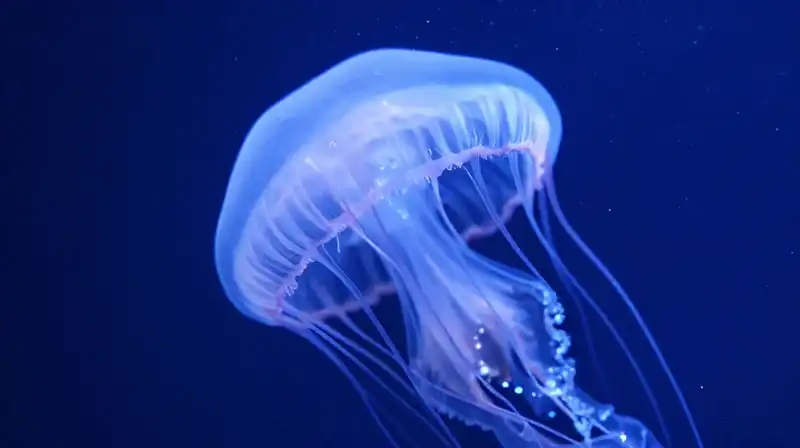
- A diverse color palette: Not all jellyfish are clear. Many species display vibrant colors such as pink, yellow, blue, and purple. Some are even bioluminescent, meaning they can produce their their own light.
- Global habitats: Jellyfish are incredibly adaptable, found in environments ranging from shallow coastlines to the deep sea, and in both warm and cold waters.
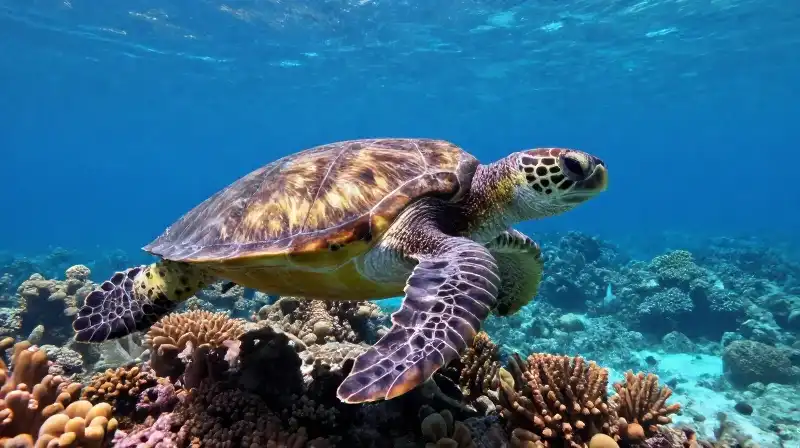
- Vital links in the food web: They are a crucial food source for various marine life, particularly sea turtles. Interestingly, they are also consumed by humans; in certain cultures, such as in China, they are considered a delicacy.
Comparing Jellyfish Characteristics
Because “jellyfish” describes a massive variety of creatures, their physical traits can vary wildly depending on the species.
| Feature | Typical Range/Description |
|---|---|
| Body Size | Ranges from 2cm to 2m |
| Weight | Can reach up to 2kg |
| Average Lifespan | Approximately one year in the wild |
| Movement Style | Drifting (current-based) or active swimming |
Common Questions About Jellyfish
What are 5 facts about jellyfish?
If you are looking for a quick summary, remember these five core truths: they are ancient creatures that predated dinosaurs; most species lack a brain, heart, and bones; some, like the box jellyfish, have 24 eyes; they play a vital role in the food chain for sea turtles; and some species, like Turritopsis dohrnii, can biologically reverse their life cycle.
Are jellyfish stings dangerous?
While jellyfish stings can be painful and even deadly to humans, it is important to understand that these encounters are typically accidental rather than purposeful attacks. They are not “hunting” humans; rather, humans often inadvertently come into contact with their stinging tentacles.
The Resilience of the Jellyfish
Jellyfish represent a masterclass in biological efficiency. By stripping away the need for complex nervous systems or skeletal structures, they have managed to thrive in nearly every corner of the ocean for millions of years. Whether they are the tiny, bioluminescent drifters of the deep sea or the highly visual, fast-moving box jellyfish, these creatures remind us that in the natural world, simplicity can be a profound strength.
Facts sourced from peer-reviewed marine biology research, NOAA, and the Smithsonian Ocean Portal. Our editorial team fact-checks all content against current scientific literature.
Frequently Asked Questions
What are 5 facts about jellyfish?
Jellyfish are ancient creatures that predated dinosaurs and most species lack a brain, heart, and bones. Additionally, some species can biologically reverse their life cycle, the box jellyfish has 24 eyes, and they serve as a vital food source for sea turtles.
Related Articles