12 Mind-Blowing Random Facts About the Ocean and Its Creatures

Introduction
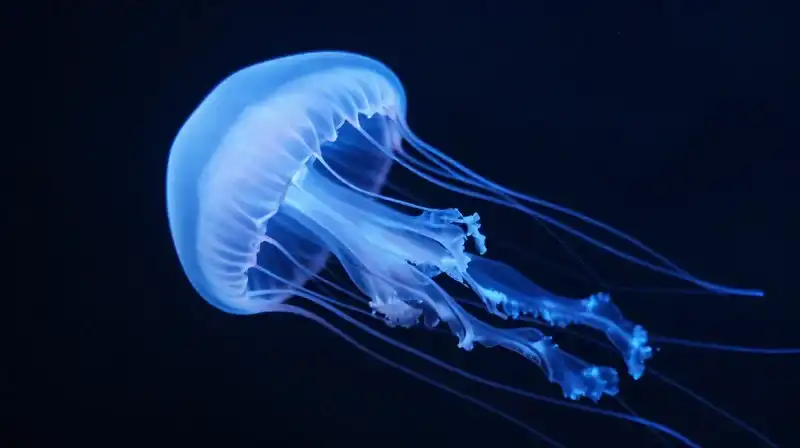
The ocean is much more than a vast blue expanse; it is the life-support system of our planet. Covering approximately 70% of the Earth’s surface, the ocean contains about 96.5% of all the water on Earth. Beyond its sheer scale, it plays a critical role in our survival, producing roughly 70% of the oxygen we breathe. While we often view the sea as a singular entity, it is a complex world of massive mountain ranges, crushing depths, and creatures that defy our understanding of biology. From the largest animals to ever exist to the most elusive masters of camouflage, the ocean holds secrets that are often more surprising than fiction.
The Scale and Structure of the Deep
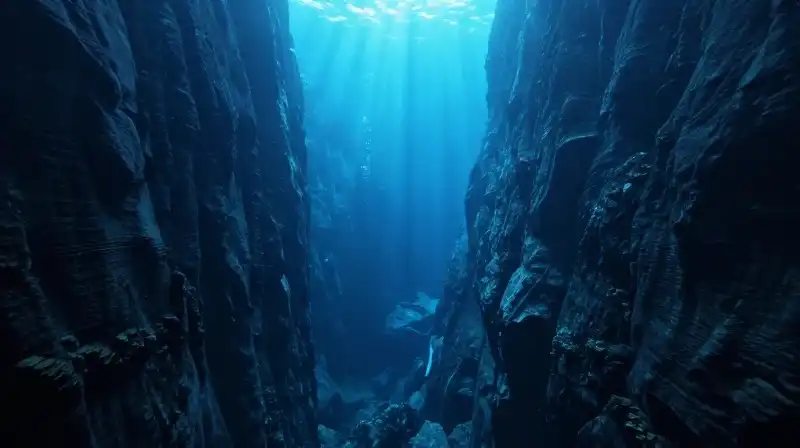
To understand the ocean, one must first grasp its immense physical dimensions. It is not just a flat basin, but a landscape of extreme topography.
- The Largest Basin: The Pacific Ocean is the dominant feature of our planet, covering roughly 30% of the Earth’s surface. Its name is derived from the Latin Mare Pacificum, which translates to “peaceful sea”.
- The Deepest Point: The ocean floor contains extreme verticality. The Mariana Trench represents the deepest known point, reaching depths of approximately 11km.
- Underwater Mountains: Most people imagine the ocean floor as a flat plain, but it contains the Mid-Oceanic Ridge. This is the world’s longest mountain range, stretching over 56,000km across the ocean basins.
- A Submerged History: Humans have explored only about 5% of the world’s oceans. Because of this, the seabed serves as a “mega museum,” holding more historical artifacts and shipwrecks than all the world’s museums combined.
Extraordinary Marine Life and Biological Wonders
The creatures inhabiting these waters have evolved specialized traits to survive in environments ranging from sunlit shallows to the pitch-black abyss.
The Giants and the Long-Lived
Size and longevity are two of the most striking ways marine life distinguishes itself from terrestrial animals.
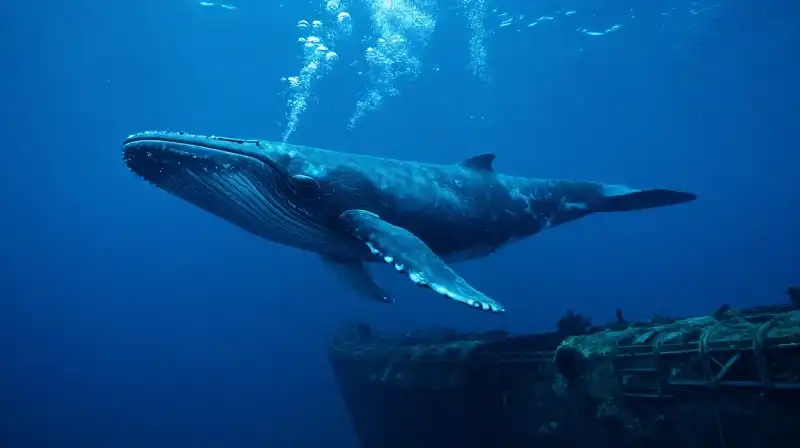
- The Blue Whale: No animal in Earth’s history has ever reached the scale of the blue whale. They can weigh up to 247,000 pounds, and their tongues alone can weigh as much as an entire elephant.
- The Greenland Shark: While many creatures live fast and die young, the Greenland shark is built for endurance. By analyzing radiocarbon dating on the protein layers in their eyes, scientists have estimated these sharks can live for hundreds of years.
Masters of Disguise and Sensory Perception
Evolution has gifted many sea creatures with “superpowers” related to how they see and how they hide.
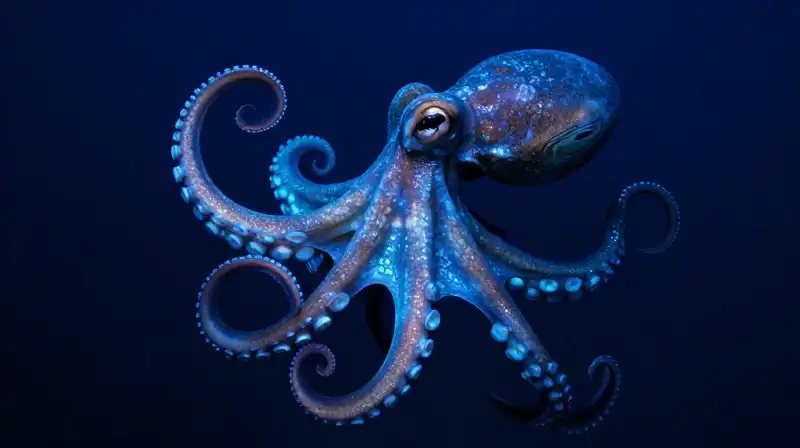
- Octopus Anatomy: Octopuses are famous for their ability to vanish into their surroundings. Because their only rigid body part is their beak, they can squeeze their entire bodies through any opening large enough to accommodate that beak.
- Cephalopod Camouflage: Beyond just shape-shifting, cephalopods like octopuses and cuttlefish can change both their skin color and texture by tensing and relaxing specific muscle groups, allowing them to mimic rocks, sand, or coral.
- The Mantis Shrimp: While humans have three types of photoreceptors in our eyes, the mantis shrimp possesses a visual system of incredible complexity, featuring 12-16 different types of photoreceptors.
Myth-Busting: Orcas and Sharks
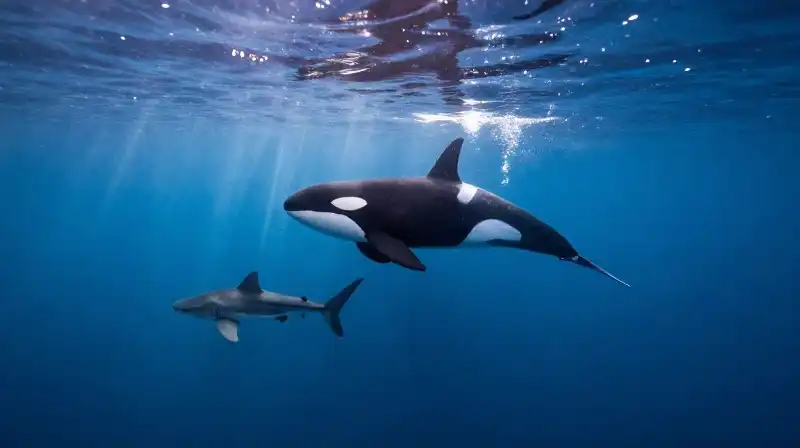
Popular media often portrays certain marine predators through a lens of fear, leading to common misconceptions. Here is the scientific reality regarding two of the ocean’s most famous inhabitants.
| Subject | Common Misconception | Scientific Reality |
|---|---|---|
| Orcas | They are a type of “killer whale.” | Orcas are actually members of the dolphin family, not the whale family. |
| Orca Behavior | They are a constant threat to humans. | Despite their nickname, there have never been any recorded attacks by wild orcas on humans. |
| Orca Diet | They hunt randomly. | They are apex predators with specific hunting patterns; they have been observed hunting great white sharks specifically to consume their livers. |
Changing Tides: Sea Levels and Climate
The ocean is not static; it is a dynamic system that responds directly to global temperature changes. Historical data shows that sea levels have always fluctuated. During the last ice age, sea levels were approximately 400 feet lower than they are today, while during a warm spell 125,000 years ago, they were about 18 feet higher.
In the modern era, global warming is a primary driver of rising sea levels. This occurs not just from melting ice, but through a process called thermal expansion: as the ocean absorbs heat from the atmosphere, the water molecules move more vigorously and the water expands in volume.
Frequently Asked Questions
What are 5 interesting facts about the ocean?
If you are looking for a quick snapshot of the ocean’s wonders, consider these five: 1. The ocean produces 70% of our oxygen. 2. The Pacific Ocean is the largest single feature on Earth. 3. The seabed is the world’s largest museum of historical artifacts. 4. Blue whales are the largest animals to have ever lived. 5. Only 5% of the ocean has been explored by humans.
The Living Blue Planet
The random facts about the ocean—from the microscopic photoreceptors of a mantis shrimp to the massive mountain ranges hidden beneath the waves—all point to a single truth: the marine world is far more complex than it appears from the shore. Understanding these creatures and the systems that support them is more than just a pursuit of curiosity; it is essential for understanding the health of our planet. As we continue to explore the remaining 95% of our oceans, we are likely to find that the most “mind-blowing” discoveries are still waiting to be made.
Facts sourced from peer-reviewed marine biology research, NOAA, and the Smithsonian Ocean Portal. Our editorial team fact-checks all content against current scientific literature.
Frequently Asked Questions
What are 5 interesting facts about the ocean?
Five interesting facts include that the ocean produces 70% of our oxygen, the Pacific Ocean is the largest single feature on Earth, and the seabed acts as the worlds largest museum of historical artifacts. Additionally, blue whales are the largest animals to have ever lived, and humans have explored only 5% of the ocean.
Related Articles