
5 Fascinating Facts About Ocean Animals and Their Survival

Introduction
The ocean is far more than a vast expanse of water; it is a complex laboratory of evolutionary engineering. From the sensory adaptations that allow predators to hunt in total darkness to the biological records hidden within a single scale, marine life has developed extraordinary methods to survive in an environment that is often unforgiving. Understanding these biological marvels—and the challenges they face today—provides a window into the delicate balance of our planet’s largest ecosystem.
5 Fascinating Facts About Ocean Animals and Their Survival
To truly appreciate marine biology, we must look past the surface and examine how animals interact with their environment through specialized anatomy and unique life histories. Here are five ways ocean creatures have mastered their habitats.
-
Biological Timekeeping in Fish
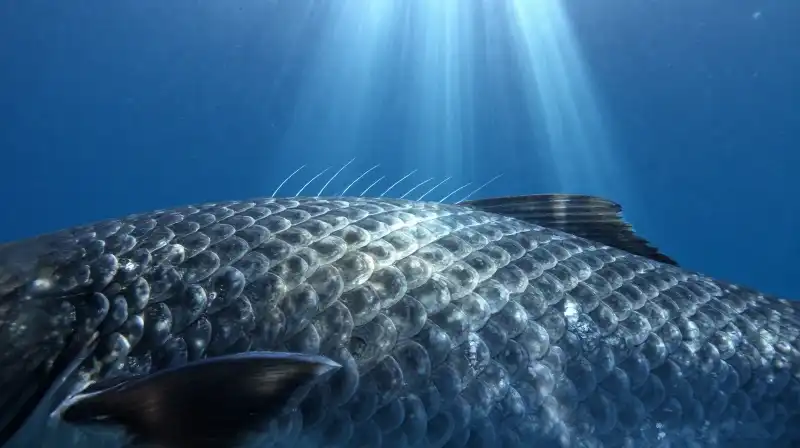
Scientists don’t need a calendar to determine how old a fish is. By examining the growth rings found on their scales or within their ear bones, researchers can piece together a chronological history of the animal’s life. Much like the rings of a tree, these markings reflect periods of rapid growth or slower development, providing vital data for marine biologists studying population age and health.
-
Sensory Whiskers in Seals
For many marine mammals, touch is as important as sight. Certain seal species utilize their whiskers to detect minute vibrations in the water caused by the movement of prey. This sensory adaptation is so highly developed that it reportedly allows even blind seals in the wild to hunt and feed successfully, turning a tactile sense into a primary navigation and hunting tool.
-
The “Right” Whale’s Tragic Name
The North Atlantic right whale carries a name that serves as a somber reminder of its history with human industry. It earned its name because it was considered the “right” whale for hunters to target; the species is slow-moving and, crucially, floats after being killed. Today, the right whale is identified as the most endangered whale species located off the coasts of the United States, highlighting the lasting impact of historical exploitation and modern environmental pressures.
-
Sea Turtle Conservation Status
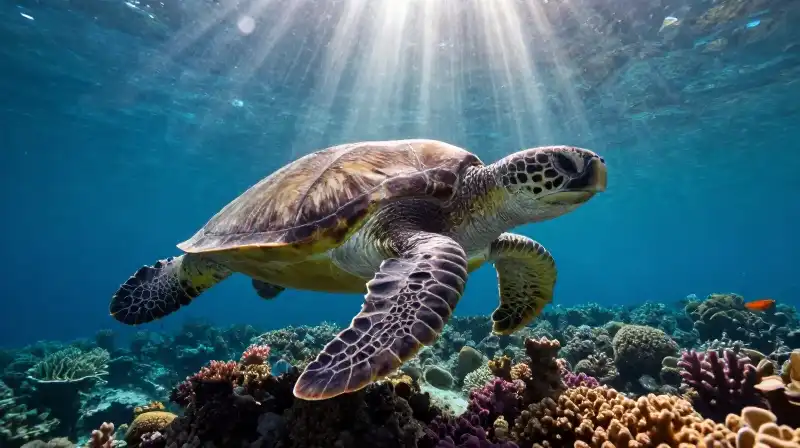
While many people view sea turtles as permanent fixtures of the ocean, they are actually highly vulnerable species. In U.S. waters, all six recognized species—the green, hawksbill, Kemp’s ridley, leatherback, loggerhead, and olive ridley—are currently protected under the Endangered Species Act. This legal protection is a critical response to threats like habitat loss and nesting disturbances.
-
Adaptive Marine Senses
Survival in the ocean often requires sensing what cannot be seen. Whether it is through the vibration-sensitive whiskers of a seal or the specialized ear bones of a fish, marine animals have moved beyond basic vision to interpret the physical world through pressure, movement, and chemical signals.
Comparing Vulnerable Marine Species
Understanding the distinction between different types of marine life helps us grasp the scale of conservation efforts. The following table outlines some of the species mentioned in our research:
| Species Group | Key Survival Feature/Status | Notable Fact |
|---|---|---|
| Right Whale | Most endangered whale species (U.S. coasts) | Named for being easy to hunt and float after death |
| Sea Turtles (All 6 species) | Protected under the Endangered Species Act | Includes leatherbacks, loggerheads, and hawksbills |
| Seals | Tactile sensory adaptation (whiskers) | Can hunt successfully even if blind |
Why These Adaptations Matter
The fascinating biology of these animals—from the growth rings in a fish to the vibration-sensitive whiskers of a seal—is more than just a collection of interesting ocean animal facts. These traits are the results of millions of years of evolution, fine-tuned to help species navigate the complexities of life underwater. However, as we see with the plight of the right whale and the legal protections required for sea turtles, these specialized survival strategies do not make an animal invincible. As human activity continues to change the chemistry and temperature of the oceans, understanding the specific biological needs and histories of these creatures becomes essential for effective marine biology and conservation.
Facts sourced from peer-reviewed marine biology research, NOAA, and the Smithsonian Ocean Portal. Our editorial team fact-checks all content against current scientific literature.
Related Articles