
10 Amazing Facts About Dolphins and Their Incredible Lives

Introduction
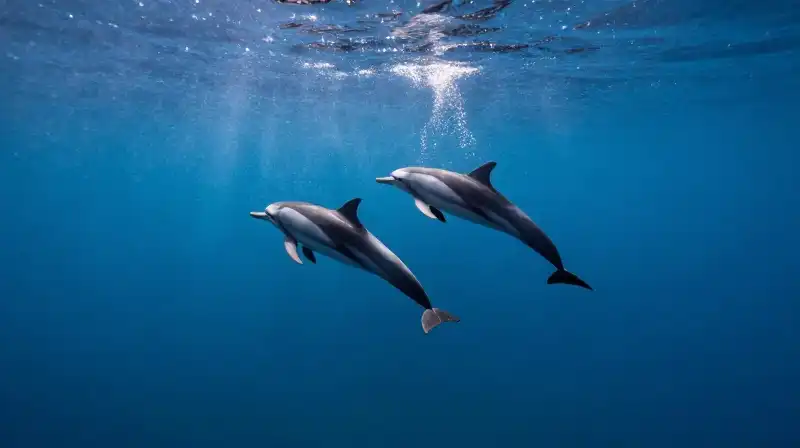
Dolphins are far more than just the smiling faces often seen in coastal tourist videos. They are members of a sophisticated group of toothed whales known as Odontocetes, a classification defined by their complex social structures and highly evolved sensory abilities. From the bustling tropical oceans to the murky depths of freshwater rivers, these intelligent marine mammals have mastered diverse environments through cooperation, specialized anatomy, and a level of communication that continues to fascinate marine biologists.
10 Amazing Facts About Dolphins
To understand what makes these animals so remarkable, we have to look past the surface. Their lives are defined by tight-knit family bonds, incredible biological “gadgets,” and varying roles within the marine ecosystem.
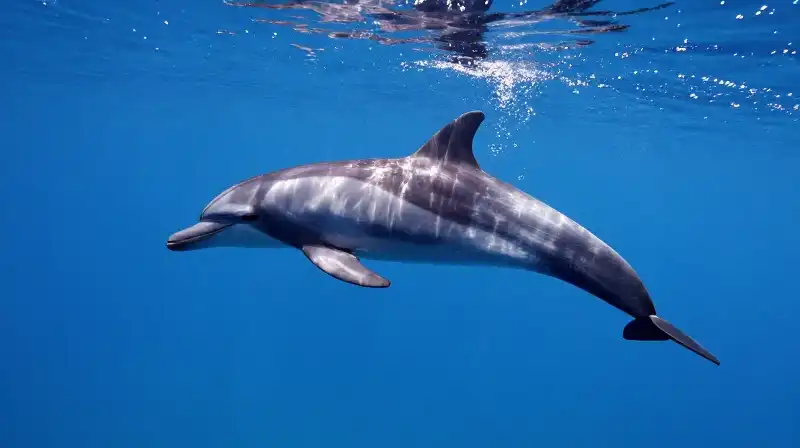
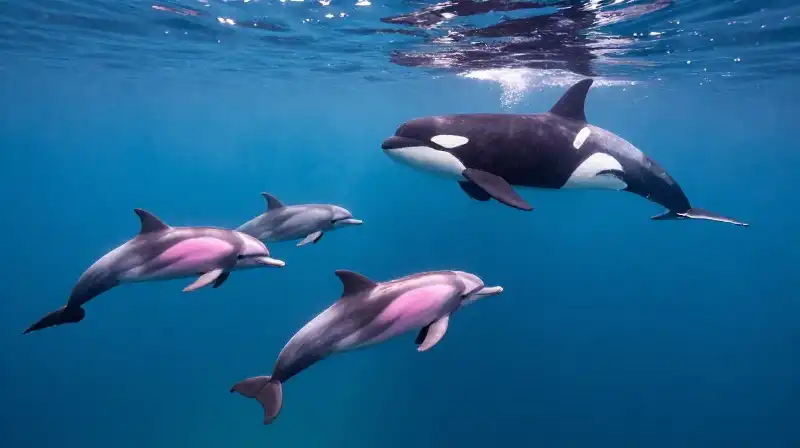
- They are incredibly diverse species. While many people picture the classic grey bottlenose, there are actually between 40 and 49 different species of dolphins and porpoises globally. This diversity includes oceanic dwellers and specialized river species, such as the distinctive pink Amazon River dolphin.
- The Orca is actually a dolphin. Perhaps the biggest misconception in marine biology is the classification of the Orca, or killer whale. In reality, the Orca is the largest member of the dolphin family. As an apex predator, they sit at the very top of the ocean’s food chain.
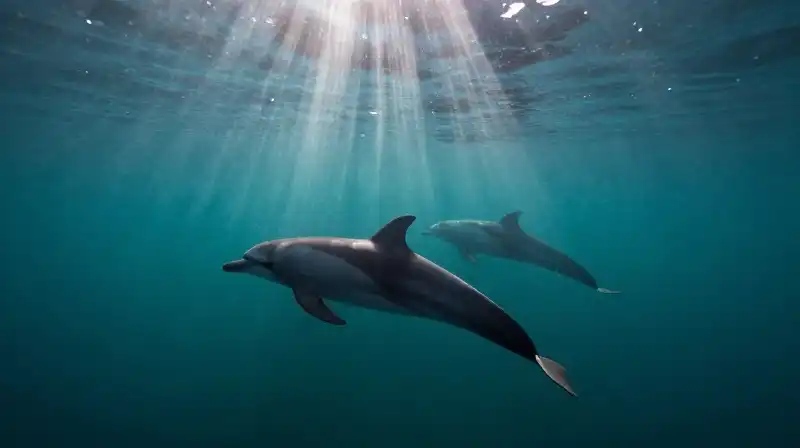
- They live in complex, matriarchal societies. Dolphins don’t just swim in groups; they live in highly organized “pods”. Many species form matriarchal societies where females maintain strong bonds with grandmothers, siblings, and cousins for much of their lives. In bottlenose populations, groups of 10 to 15 often cooperate to raise calves and hunt more effectively.
- They have “names” for one another. Communication is a cornerstone of dolphin life. They use unique whistles to identify themselves as individuals, functioning much like human names. Interestingly, these signature whistles are developed even before a calf is born.
- They navigate using biological sonar. Through a process called echolocation, dolphins emit high-pitched clicks that bounce off objects to create a detailed 3D “map” of their environment. This system is so advanced that researchers suggest they may even use it to communicate information about other objects—or even humans—to their pod members.
- They possess specialized anatomical tools. To facilitate their sonar, dolphins have a fatty structure in their heads called a “melon”. They also utilize a blowhole at the top of their heads to breathe air, which they can seal shut while submerged to prevent water from entering.
- Some can turn their heads almost completely. In river environments where obstacles like fallen trees and dense vegetation are common, flexibility is key. The Amazon River dolphin, for example, has unfused neck vertebrae, allowing it to turn its head up to 180 degrees to maneuver.
- They are high-speed carnivores. Their diet consists primarily of fish, though they also consume crustaceans like shrimp and squid. To catch this prey, they rely on impressive physical speed; while bottlenose dolphins can reach over 30km/h (approx. 18mph), Orcas can reach much higher speeds of up to 35mph.
- Lifespans vary by species. While many dolphins live between 15 and 20 years, wild populations can average significantly longer, between 45 and 60 years. The most impressive longevity is seen in Orcas, which have been known to live up to 90 years.
- They face modern environmental challenges. Despite their intelligence and resilience, dolphins are vulnerable to human activity. Major threats include pollution, illegal hunting, and accidental entanglement in fishing gear.
Comparing Key Dolphin Species
Because “dolphin” covers such a wide range of animals, it helps to compare the traits of some of the most well-known species.
| Feature | Bottlenose Dolphin | Orca (Killer Whale) | Amazon River Dolphin |
|---|---|---|---|
| Environment | Oceanic/Coastal | Oceanic | Freshwater Rivers |
| Social Structure | Groups of 10–15 | Large, complex pods | Varies by river system |
| Top Speed | ~30 km/h (18 mph) | ~35 mph | N/A |
| Notable Trait | Highly social/cooperative | Apex predator; largest dolphin | 180-degree neck rotation |
Myth vs. Reality: Are Orcas Dangerous?
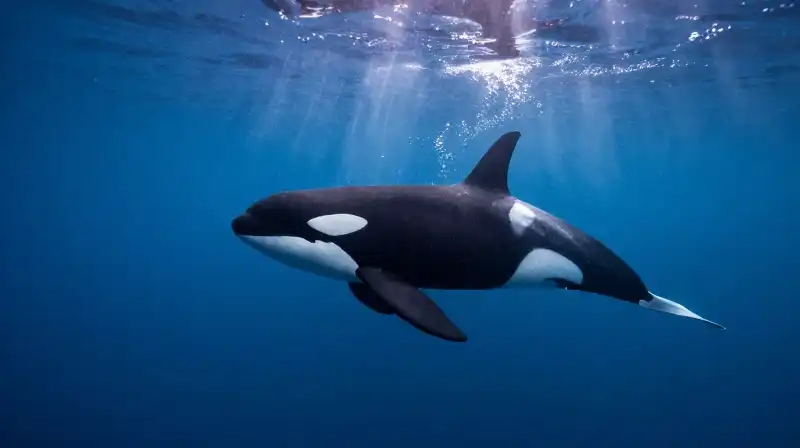
A common question regarding amazing facts about dolphins involves the Orca. Because of their name “killer whale” and their status as apex predators, popular culture often depicts them as vicious hunters of humans. However, scientific observation tells a different story: there are almost no recorded attacks on humans by Orcas in the wild. While they are formidable predators within their own ecosystem, they do not view humans as prey.
Frequently Asked Questions
What are some amazing facts about dolphins?
Beyond their intelligence, dolphins are remarkable for their use of echolocation to “see” with sound, their ability to use signature whistles as names, and their complex social structures that involve lifelong family bonds and matriarchal leadership.
The Intelligence of the Deep
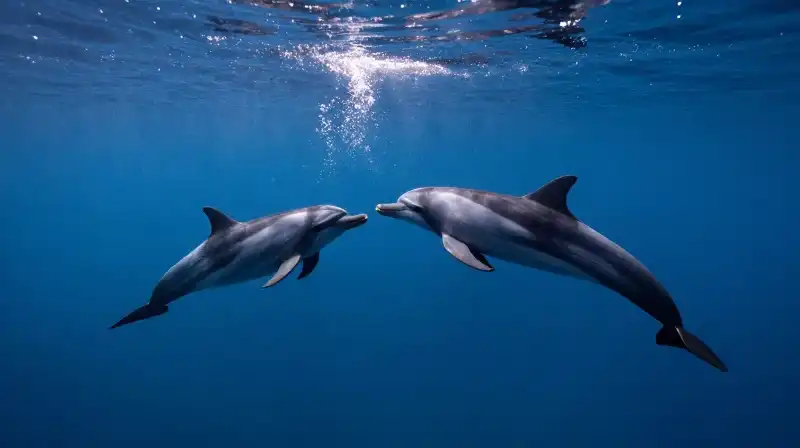
The lives of dolphins demonstrate a profound level of biological and social sophistication. Whether it is the anatomical precision of the Amazon River dolphin’s neck or the advanced acoustic mapping used by oceanic species, these animals have evolved to meet the specific challenges of their habitats. Understanding their social bonds and the threats they face from pollution and fishing entanglement is essential for the continued conservation of these remarkable marine mammals.
Facts sourced from peer-reviewed marine biology research, NOAA, and the Smithsonian Ocean Portal. Our editorial team fact-checks all content against current scientific literature.
Frequently Asked Questions
What are some amazing facts about dolphins?
Dolphins are remarkable for using echolocation to see with sound and signature whistles that function like individual names. They also possess complex social structures involving matriarchal leadership and lifelong family bonds.
Related Articles