
10 Fascinating Facts About the Pacific Ocean You Should Know

Introduction
To grasp the scale of the Pacific Ocean, imagine an expanse of water so vast that it holds more than half of the entire planet’s ocean water and covers over 30% of the Earth’s surface. It is a realm that defies easy comparison, being larger than all of the world’s continents combined. While its name suggests a serene environment—derived from the Latin mar pacifico, or “peaceful sea,” a name given by Ferdinand Magellan during his 1520 expedition—the reality of this basin is one of incredible geological and biological intensity.
10 Fascinating Facts About the Pacific Ocean
If you are looking for fun facts about the Pacific Ocean, whether for school research or personal curiosity, the following points highlight the extremes of depth, life, and movement found within this massive basin.
- It is the deepest ocean on Earth: The Pacific contains the Mariana Trench, located east of the Philippines. At its lowest point, the Challenger Deep, the ocean floor sits approximately 11,000 meters below the surface.
- It is a geological powerhouse: Often called the “Ring of Fire,” the Pacific basin is home to roughly 75% of the world’s volcanoes and accounts for over 90% of the planet’s earthquakes. This area contains more than 75,000 volcanoes.
- It is physically shrinking: Unlike many things in nature that seem static, the Pacific is actually getting smaller. Due to the constant movement of tectonic plates, the ocean shrinks by approximately one inch every year.
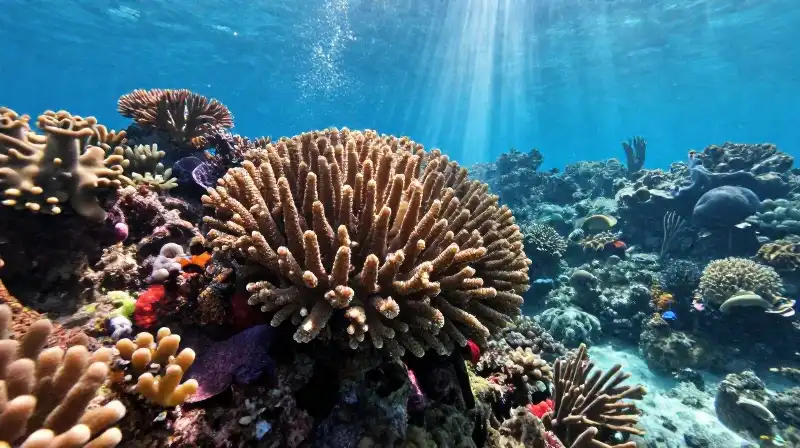
- It hosts massive coral ecosystems: The Pacific contains the Great Barrier Reef, the world’s largest coral reef system, which stretches for over 1,429 miles. It is also home to numerous atolls—coral islands surrounded by lagoons—which typically thrive in the ocean’s warmer waters.
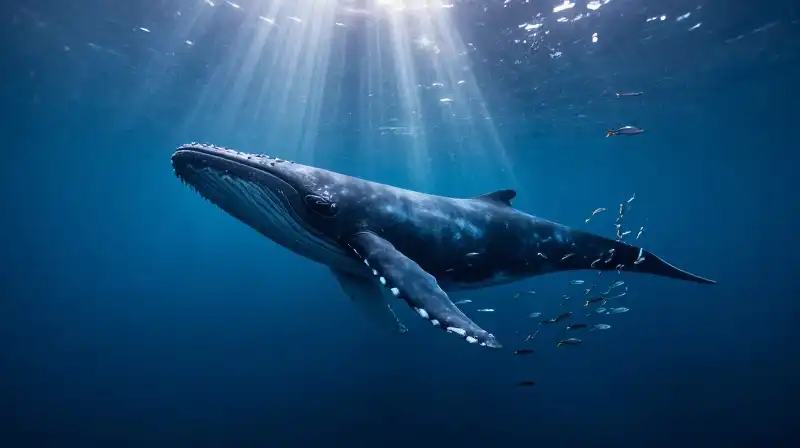
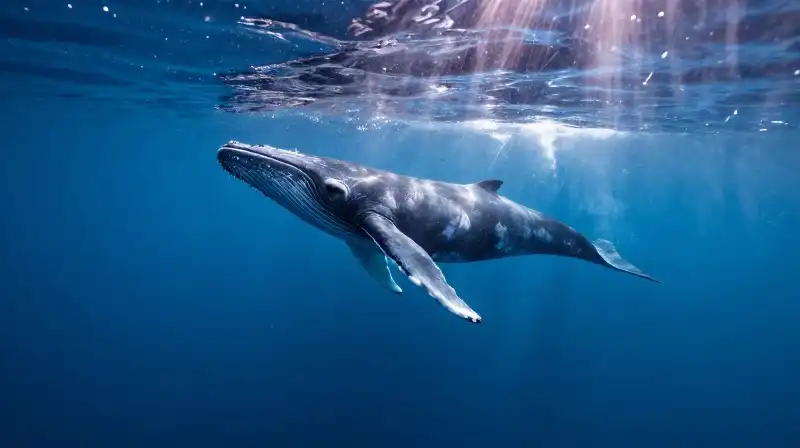
- It is a highway for marine migration: The Pacific facilitates some of the longest journeys in the animal kingdom. Leatherback sea turtles have been known to travel 10,000 miles between Indonesia and North America, while various whale species migrate up to 14,000 miles annually to feed and breed.
- It contains an incredible number of islands: Scattered across its vast surface are more than 25,000 islands.
- Temperature extremes are the norm: Water temperatures fluctuate wildly depending on latitude. While equatorial waters can reach a balmy 30°C (86°F), polar regions can see temperatures drop to the freezing point or as low as -2°C.
- It supports a diverse food web: The ecosystem relies on everything from microscopic copepods and marine worms at the base of the food chain to “gentle giants” like the massive whale shark.
- It faces a major plastic crisis: A significant conservation concern is the Great Pacific Garbage Patch. Located between Hawaii and California, this collection of floating debris—mostly microplastics and “ghost nets” (abandoned fishing gear)—is larger than the state of Texas.
- The scale of its water volume is unmatched: Because of its sheer size, the Pacific holds more than half of all the water in the world’s oceans.
Comparing Ocean Extremes
To better understand the Pacific’s unique characteristics, it is helpful to look at its temperature and depth in context with the environments it supports.
| Feature | Details/Scale | Significance |
|---|---|---|
| Maximum Depth | ~11,000 meters (Challenger Deep) | The lowest point in the Earth’s crust. |
| Temperature Range | -2°C to 30°C | Supports a massive variety of life from polar to tropical. |
| Volcanic Activity | 75% of global volcanoes | Part of the “Ring of Fire”. |
Common Questions About the Pacific Ocean
What are 10 facts about the Pacific ocean?
The Pacific Ocean is characterized by its immense size (covering 30% of Earth), its extreme depths (the Mariana Trench), its volcanic activity (the Ring of Fire), its shrinking size due to plate tectonics, its massive coral reefs like the Great Barrier Reef, its thousands of islands, its incredible animal migrations, its wide temperature range, its role as a primary habitat for diverse marine life, and the environmental challenge posed by the Great Pacific Garbage Patch.
The Living Engine of the Planet
The Pacific Ocean is far more than just a body of water; it is a dynamic, moving, and breathing part of the Earth’s system. It acts as a geological engine that shapes our continents through volcanic activity and tectonic movement, and a biological corridor that enables massive life forms to traverse entire hemispheres. While it presents significant environmental challenges—particularly regarding plastic pollution and the health of its coral reefs—its sheer scale and complexity remain central to the stability of our planet’s climate and the survival of countless marine species.
Facts sourced from peer-reviewed marine biology research, NOAA, and the Smithsonian Ocean Portal. Our editorial team fact-checks all content against current scientific literature.
Frequently Asked Questions
What are 10 facts about the Pacific ocean?
The Pacific Ocean is the deepest ocean, home to the Ring of Fires volcanic activity, and is physically shrinking due to tectonic plate movement. It also features massive coral reefs, over 25,000 islands, long animal migrations, wide temperature ranges, diverse marine life, the Great Pacific Garbage Patch, and holds more than half of the worlds ocean water.
Related Articles