
12 Weird Facts About Whales That Will Surprise You

Introduction
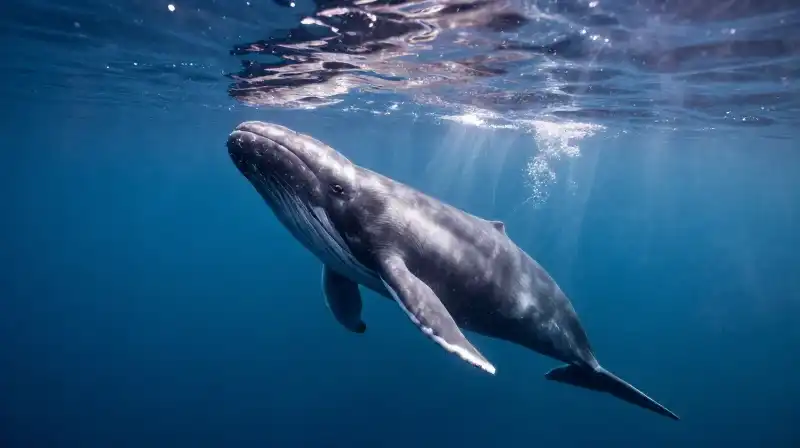
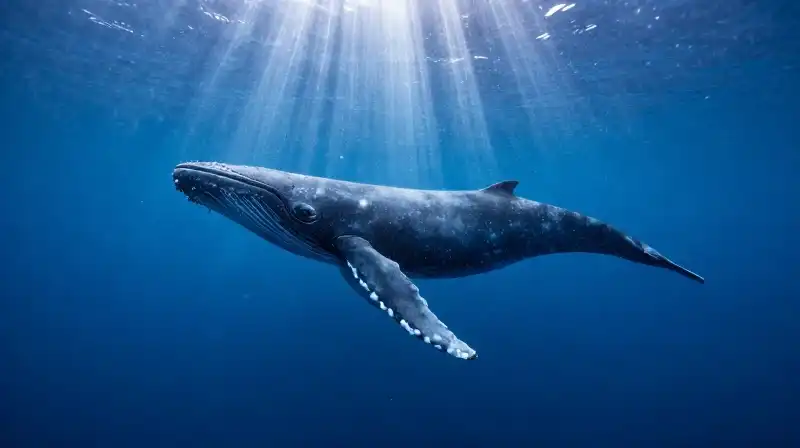
To look at a whale is to witness a biological masterpiece of scale and adaptation. These marine giants dominate the world’s oceans, yet much of what we think we know about them is often simplified or misunderstood. From the way they sleep to the surprising secrets hidden inside their ears, whales possess biological quirks that seem almost otherworldly. Understanding these creatures requires looking past their sheer size to the intricate evolutionary strategies that allow them to thrive in the deep blue.
Understanding the Two Worlds of Whales
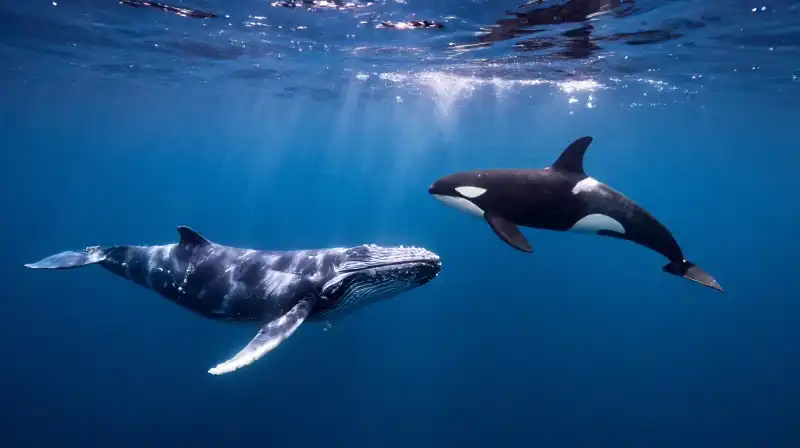
Before diving into the strangest details, it is helpful to understand how scientists categorize these mammals. Not all whales hunt or eat the same way; they are broadly divided into two primary groups based on their feeding anatomy.
| Group | Feeding Mechanism | Typical Prey | Examples |
|---|---|---|---|
| Baleen Whales | Fibrous plates used to filter water | Tiny organisms like krill | Blue whales, Humpback whales |
| Toothed Whales | Teeth for grasping and tearing | Fish, squid, and larger prey | Sperm whales, Orcas, Dolphins |
12 Weird Facts About Whales
The following facts highlight the diverse and often bizarre ways whales have adapted to life in the water.
- The Blue Whale’s Tiny Diet: Despite being the largest animal to ever exist, the blue whale is a specialist in eating the very small. They rely on krill—tiny, shrimp-like creatures roughly the size of a jelly bean. Because of their throat structure, they cannot swallow anything larger than a grapefruit.
- Incredible Growth Spurts: Growing to massive proportions requires immense energy. A blue whale calf can gain approximately 200 pounds every single day during its first year of life, which breaks down to more than a pound of weight gain every eight minutes.
- Hydrodynamic Anatomy: Evolution favors efficiency. To reduce drag while swimming through dense water, male whales have genitals that are tucked inside their bodies when they are not mating.
- Unihemispheric Sleep: Whales cannot sleep the way humans do; if they went fully unconscious, they would stop breathing and drown. Instead, they sleep using only one brain hemisphere at a time. This allows one half of the brain to rest while the other remains conscious enough to trigger the need to surface for air.
- Vertical Napping: While most mammals sleep in horizontal positions, some species have much more unusual postures. Sperm whales, for example, have been observed sleeping vertically, drifting in the water with their noses pointing straight up.
- The 200-Year Lifespan: Some whales are built for the long haul. The bowhead whale is one of the longest-living mammals on Earth, with scientists estimating they can live for up to 200 years.
- Orcas are Dolphins: A common misconception is that orcas are a separate category of whale. In reality, orcas are members of the dolphin family and are classified as toothed whales.
- Hippos are Closest Relatives: If you look at the evolutionary tree of cetaceans (the group including whales, dolphins, and porpoises), their closest living land relatives are actually hippopotamuses.
- The Narwhal’s Spiral Tooth: The “horn” of a narwhal is actually a specialized tooth. While most adult narwhals only have two teeth, in most males, the left tooth grows into a long, spiral structure that can extend over three meters.
- Biological Time Capsules: Scientists can learn a whale’s entire life story by looking at its ears. The accumulated wax inside a whale’s ear can be used to determine its age and identify past environmental stresses or exposure to toxins.
- Giant Carbon Sinks: Whales are essential to the health of our planet. A single whale absorbs an average of 33 tons of carbon dioxide over its lifetime. When the whale dies, that carbon is eventually trapped on the ocean floor.
- Whale Falls as Ecosystems: When a whale dies and sinks to the bottom, it creates a “whale fall.” These carcasses serve as miniature ecosystems, providing essential nourishment for a wide variety of specialized deep-sea creatures.
Common Questions About Whale Predators
What is a whale’s worst enemy?
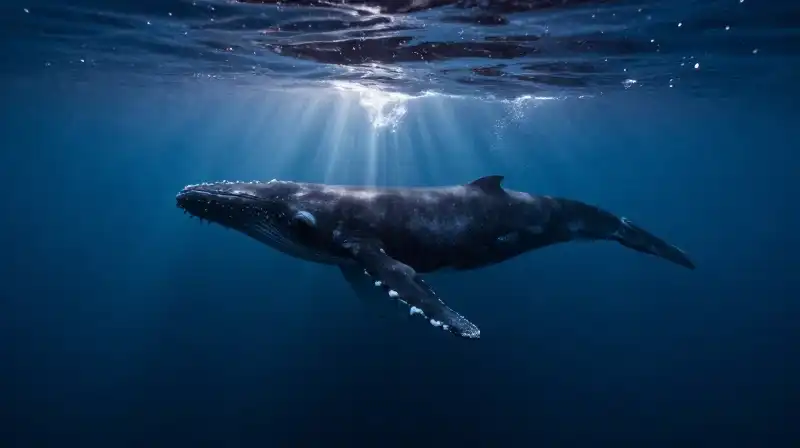
While many people assume large sharks are the primary threat, the reality is more complex. For many whale species, the most significant natural predators are orcas (killer whales), which are highly coordinated hunters. However, for many populations, the “worst enemies” are human-driven factors, such as entanglement in fishing gear, ship strikes, and the impacts of climate change on food sources.
Why These Facts Matter
The biology of whales is more than just a collection of 100 interesting facts for kids or trivia enthusiasts; it is a window into the health of our oceans. The fact that whales act as massive carbon sinks reminds us that protecting these animals is a vital component of climate regulation. From the microscopic krill that fuel the blue whale to the deep-sea ecosystems created by a single carcass, every aspect of a whale’s life is interconnected with the stability of the marine environment. To understand whales is to understand the profound complexity of life on Earth.
Facts sourced from peer-reviewed marine biology research, NOAA, and the Smithsonian Ocean Portal. Our editorial team fact-checks all content against current scientific literature.
Frequently Asked Questions
What is a whale's worst enemy?
For many whale populations, the worst enemies are human-driven factors such as climate change impacts on food sources, ship strikes, and entanglement in fishing gear. While orcas are significant natural predators, human-driven factors represent the greatest threat to many populations.
Related Articles