Fascinating Shark Week Facts: From Fast Makos to Giant Whale Sharks

Introduction
Sharks are far more than the cinematic antagonists often portrayed in pop culture; they are ancient, highly adaptable survivors that have patrolled the world’s oceans for over 400 million years. With more than 500 different species currently inhabiting our seas, these predators represent a massive spectrum of biological diversity, ranging from tiny dwellers of coral reefs to giants that dwarf school buses.
Understanding sharks requires looking past the teeth and focusing on their incredible evolutionary engineering. From specialized sensory organs that can detect a heartbeat to unique physiological adaptations that allow them to thrive in both salt and freshwater, sharks are masterpieces of marine biology. As we dive into these shark week facts, we see a group of animals defined not by aggression, but by remarkable complexity and a vital role in the health of our global oceans.
Engineering for the Deep: How Sharks Function

Unlike many other marine vertebrates, sharks operate on a completely different biological blueprint. Their physical makeup allows them to occupy niches that other fish simply cannot reach.
Buoyancy and Breathing
Most people assume all fish swim the same way to stay afloat, but sharks have a unique approach. While many species must swim constantly to push oxygenated water over their gills, others—such as the nurse shark—have the ability to rest motionless on the seafloor. This is possible because sharks lack the swim bladders found in many bony fish. Instead, they rely on a large, oil-filled liver to provide the buoyancy needed to navigate the water column.
The Sensory Edge
Sharks possess some of the most sophisticated sensory arrays in the animal kingdom. This allows them to hunt with precision even in low-visibility environments:
- Electromagnetic Sensing: Hammerhead sharks utilize their wide, distinctive head shapes to scan a larger area of the seafloor. This shape also houses an increased number of electromagnetic sensors, helping them triangulate the exact position of prey like stingrays.
- Detection of Life Signs: Great white sharks use electromagnetic senses to detect the actual heart activity of their prey, combined with a highly developed sense of smell.
- Bioluminescent Luring: In the deep sea, the megamouth shark employs a rare tactic: it has bioluminescent, or glow-in-the-dark, gums that act as a light to lure curious fish directly toward its mouth.
Profiles in Diversity: From Giants to Sprinters
The sheer variety of shark species means that no two look or behave quite the same. Below is a comparison of some of the most notable species discussed in marine biology.
| Species | Notable Trait | Size/Speed Detail |
|---|---|---|
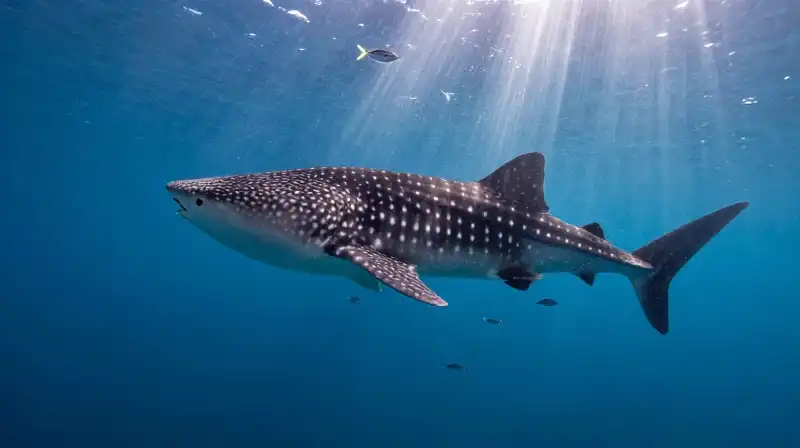
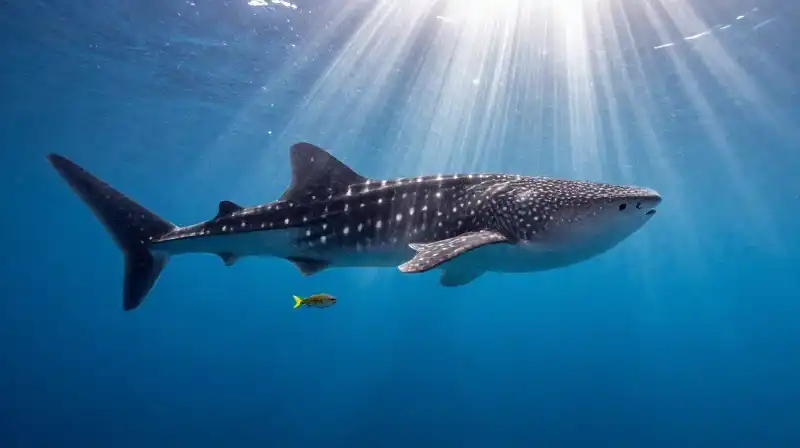
| Whale Shark | Largest fish in the world; filter-feeds on plankton. | Can reach lengths of up to 62 feet. |
| Shortfin Mako | The fastest shark in the open ocean. | Capable of top speeds of 46 miles per hour. |
| Bull Shark | Can thrive in both saltwater and freshwater. | Uses specialized glands to retain salt. |
| Nurse Shark | Slow-moving, bottom-dwelling scavenger. | Can grow up to 14 feet long. |
Surprising Shark Behaviors
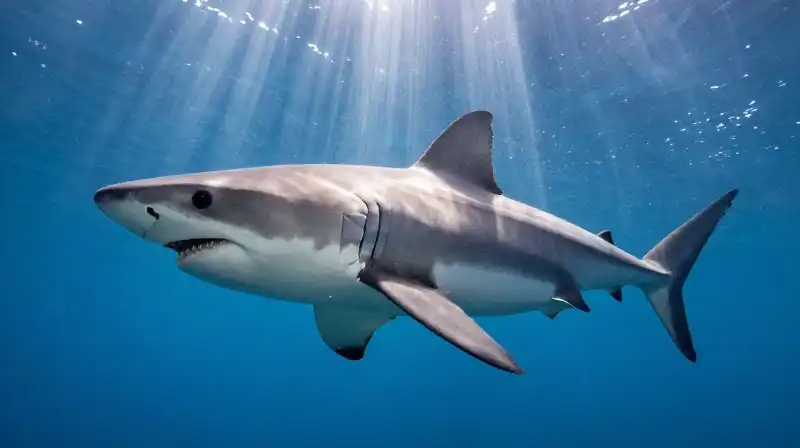
Beyond their physical traits, the life cycles and social behaviors of sharks are often misunderstood. For instance, the early life of a Great White is a lesson in immediate survival. Newborn Great White sharks are roughly five feet long and must swim away from their mothers immediately upon birth to avoid being targeted by predators—which can include other Great Whites.
Another fascinating aspect of shark science is the ability to identify individuals. For the Whale Shark, researchers don’t have to guess which one they are looking at. Much like human freckles, each Whale Shark possesses a unique pattern of white spots. Scientists now use specialized star-mapping software to identify these individuals, allowing for much more accurate population tracking.
Common Questions About Sharks
Why is it called Shark Week?
While the term is often used broadly, “Shark Week” is a famous annual television programming event (often associated with the Discovery Channel) that features documentaries and specials about shark species. It has become a cultural phenomenon used to celebrate and educate the public about these predators.
Do sharks have bones?
No. One of the most fundamental facts about sharks is that they do not have a bony skeleton. Instead, their skeletons are made of cartilage, which is lighter and more flexible than bone, aiding in their movement through the water.
What does the shark emoji 🦈 mean in slang?
In digital slang, the shark emoji can have various meanings depending on the context. It is often used to represent someone who is “predatory” in a business or social sense (a “shark”), someone who is highly competitive, or simply as a reference to the ocean and marine life.
The Changing Ocean and Conservation

Despite their ancient history, sharks face modern pressures. Marine biodiversity is a moving target; new species of sharks, skates, rays, or chimeras are discovered approximately every two weeks. However, discovering new life is only half the battle, as many existing species are under threat.
Species like the nurse shark are particularly vulnerable because they tend to inhabit shallower waters closer to shore, bringing them into frequent contact with human activity. Protecting these animals requires a balance of scientific research and active conservation to ensure these ancient predators continue to play their vital role in the marine ecosystem.
Why Sharks Matter
The true fascination with sharks lies in their role as indicators of ocean health. They are not mindless monsters, but highly specialized biological wonders that have adapted to almost every corner of the sea. Whether it is the lightning-fast Mako or the gentle, filter-feeding Whale Shark, every species provides a unique piece of the evolutionary puzzle. By understanding their complex needs—from their electromagnetic senses to their specific habitat requirements—we gain a deeper respect for the delicate balance of life beneath the waves.
Facts sourced from peer-reviewed marine biology research, NOAA, and the Smithsonian Ocean Portal. Our editorial team fact-checks all content against current scientific literature.
Frequently Asked Questions
What is special about Shark Week?
Shark Week is a famous annual television programming event that features documentaries and specials about shark species. It has become a cultural phenomenon used to celebrate and educate the public about these predators.
What does 🦈 mean in slang?
In digital slang, the shark emoji can represent someone who is highly competitive or predatory in a social or business sense. It can also be used as a simple reference to marine life and the ocean.
Why is it called Shark Week?
Shark Week is a famous annual television programming event that features documentaries and specials about shark species. It is used to celebrate and educate the public about these predators.
Related Articles