Fascinating Angel Shark Facts: Anatomy, Hunting and Survival

Introduction
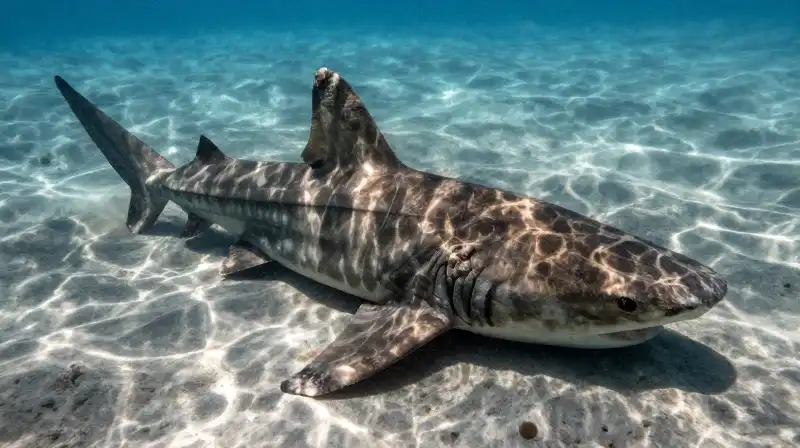
At first glance, an angel shark might appear to be a ray, gliding effortlessly over the seafloor with wide, wing-like pectoral fins and a flattened body. However, these masters of disguise are true sharks. The distinction lies in a subtle anatomical detail: unlike rays, which have gills located underneath their bodies, angel sharks possess gills situated above their pectoral fins. This evolutionary design allows them to remain perfectly still, even when partially buried in the sand, while still breathing efficiently.
Anatomy of a Stealth Hunter
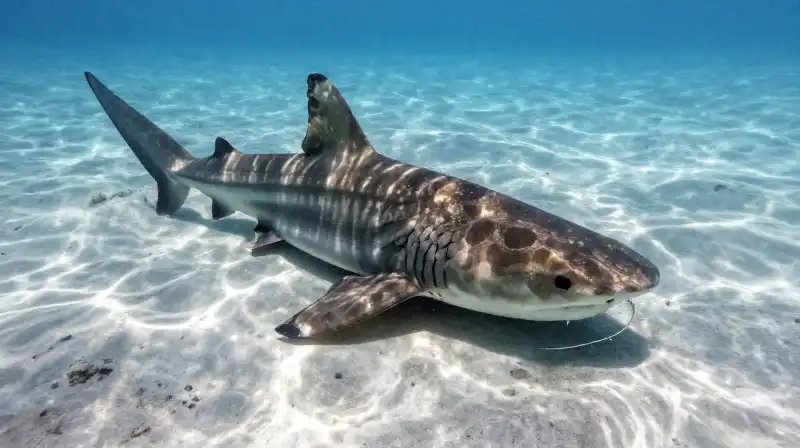
The angel shark is built for life on the bottom of the ocean. Every part of its physiology is tuned for camouflage and sudden, explosive movement.
- Camouflage Patterns: To vanish against sandy or muddy environments, their skin features a mottled mosaic of brown, black, grey, green, white, and red spots. This complex patterning breaks up their silhouette, making them nearly invisible to unsuspecting prey.
- Sensory Barbels: Located at the tip of the snout, these small, whisker-like organs act as tactile sensors, helping the shark detect the vibrations or presence of nearby prey in the sediment.
- The Spiracle: Behind their eyes, angel sharks possess a specialized respiratory device called a spiracle. This opening allows them to draw in oxygenated water and deliver it directly to the brain, which is vital for an animal that spends much of its time resting on the seabed.
- Tail and Fin Structure: Unlike many other shark species, the angel shark lacks an anal fin. Their caudal (tail) fin is uniquely asymmetrical, featuring a larger lower lobe than the upper lobe. This configuration provides the necessary leverage to propel the shark upward with incredible speed during an ambush strike.
The Art of the Ambush
Angel sharks are nocturnal hunters that rely on patience rather than pursuit. Instead of chasing down prey, they utilize a “sit-and-wait” strategy. They bury themselves in the seafloor sediment, leaving only their eyes and spiracles exposed. When a target—such as a fish, mollusk, or crustacean—swims within range, the angel shark strikes at a 90-degree angle. Using powerful suction, they can snatch their prey in as little as 1/10th of a second.
Understanding Size and Species
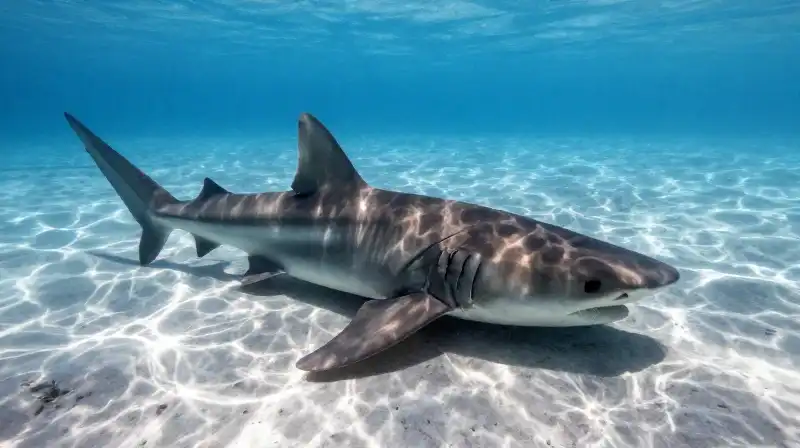
While many people use the term “monkfish” to describe these animals, this can be scientifically confusing. The name “monkfish” is also used for entirely different fish within the genus Lophius. When researching angel shark size, it is important to distinguish between the average adult and the largest known specimens.
| Metric | Details |
|---|---|
| Average Adult Length | Approximately 5 feet |
| Maximum Length (Common Angelshark) | Up to 7.9 feet |
| Typical Habitat Depth | Shallow temperate waters and coastlines, reaching depths up to 500 feet |
Reproduction and Life Cycle
Angel sharks employ a reproductive strategy known as “ovoviviparous” or “aplacental viviparous”. In this process, the young develop inside eggs that remain within the mother’s womb until they are ready to hatch. Depending on the specific species and the size of the mother, a single female can give birth to a litter ranging from 7 to 25 pups.
Juvenile angel sharks also utilize unique survival tactics. To deter potential predators, young sharks may possess “ocellus,” or fake eye spots, on their bodies. These markings act as a visual defense mechanism, though they disappear as the shark reaches adulthood.
Common Questions About Angel Sharks
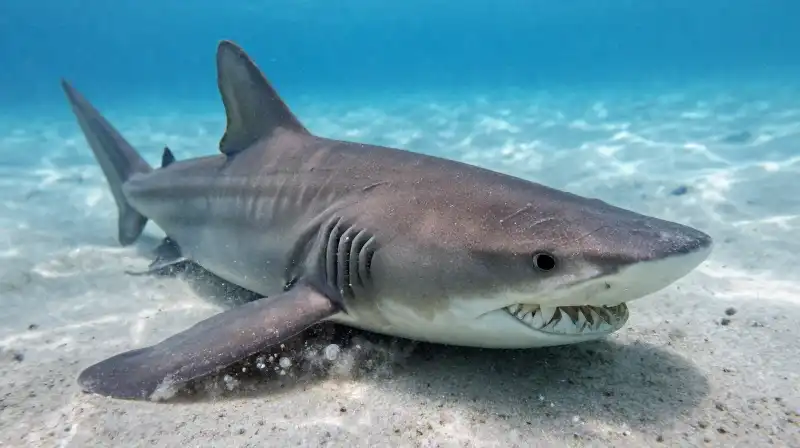
Are angel sharks rare?
While they were once widespread in the coastal waters of the northeastern Atlantic, many species are now quite rare. The common angelshark (Squatina squatina) is currently listed as critically endangered by the IUCN due to significant pressures from commercial fishing and bycatch.
How many teeth do angel sharks have?
While specific tooth counts can vary by individual and species, their dental structure is specialized for their diet of flatfish, mollusks, and crustaceans, facilitating the powerful suction and grip required for their lightning-fast ambush strikes.
Are they dangerous to humans?
Angel sharks are generally not aggressive toward humans. However, because they rely on camouflage to hide, they can be easily disturbed if stepped on or provoked. In such instances, they are capable of delivering a severe bite.
Conservation Status
The survival of the angel shark is currently under threat. Because they inhabit shallow temperate waters and coastlines, they are frequently caught in commercial fishing gear—a phenomenon known as bycatch. Their status as a critically endangered species highlights the urgent need for marine conservation efforts to protect their habitats and prevent further population decline.
Conclusion

The angel shark is a remarkable example of evolutionary specialization. From their “fake eyes” used by juveniles to their sophisticated respiratory spiracles and lightning-fast suction strikes, every aspect of their biology is designed for a life of stealth. Understanding these creatures is about more than just learning about a unique predator; it is about recognizing the delicate balance of our coastal ecosystems and the vital importance of protecting species that have mastered the art of living unseen.
Facts sourced from peer-reviewed marine biology research, NOAA, and the Smithsonian Ocean Portal. Our editorial team fact-checks all content against current scientific literature.
Frequently Asked Questions
Are angel sharks rare?
Many species are now quite rare, with the common angelshark currently listed as critically endangered by the IUCN. This decline is due to significant pressures from bycatch and commercial fishing.
How many teeth do angel sharks have?
Specific tooth counts for angel sharks can vary by individual and species. Their dental structure is specialized to facilitate the suction and grip needed for their ambush strikes.
Related Articles