Cool Shark Facts: Amazing Abilities and Surprising Truths

Introduction
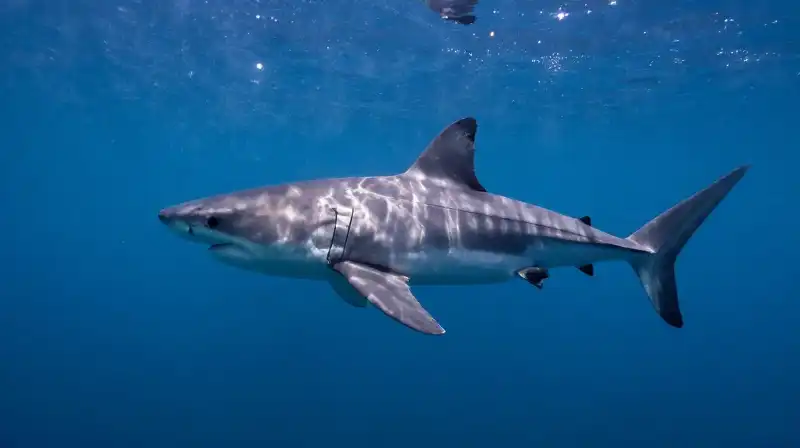
Long before the first trees took root on land, sharks were already patrolling the world’s oceans. Some hypotheses suggest these ancient predators first appeared approximately 455 million years ago, making them a biological success story that has spanned hundreds of millions of years. While popular culture often frames them as relentless monsters, sharks are actually highly specialized, sophisticated animals with biological traits that seem almost otherworldly. From detecting electricity to living for centuries, the reality of shark life is far more complex than the movies suggest.
The Biological Marvels of Shark Anatomy

Sharks belong to a group of fish known as elasmobranchs. This means that, unlike most fish that possess a hard bony skeleton, a shark’s body is supported by cartilaginous tissue—the same flexible material found in human ears and noses. This lightweight structure provides several evolutionary advantages, contributing to their agility and efficiency.
Sensory Superpowers and “Sixth Senses”
To hunt effectively, sharks rely on more than just sight and smell. They possess a specialized “sixth sense” provided by the ampullae of Lorenzini. These are electroreceptor organs that allow sharks to detect minute electromagnetic fields and subtle temperature shifts in the water. This ability helps them locate prey hidden beneath the sand or track the heartbeat of a nearby fish.
Built-in Armor and Hydrodynamics
If you were to touch a shark, it wouldn’t feel smooth like a typical fish. Their skin is covered in tiny, tooth-like structures called dermal denticles, also known as placoid scales. These microscopic structures serve a dual purpose: they act as a form of protection and reduce drag, allowing the shark to swim faster and more stealthily through the water.
The Infinite Tooth Replacement
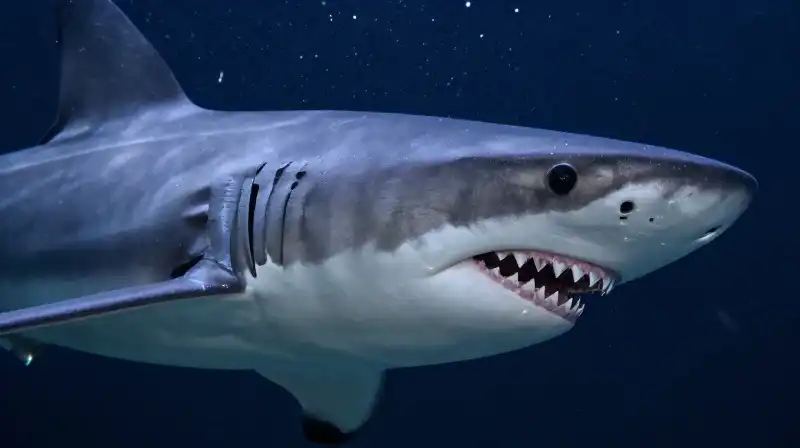
A shark’s mouth is a highly efficient, regenerative system. They are capable of incredible tooth replacement rates; some species can shed and replace as many as 30,000 teeth over a lifetime, while others produce an average of 6,000 teeth per year. This ensures that a predator is rarely hindered by a lost or broken tooth during a hunt.
Diverse Species and Surprising Behaviors
Sharks are not a monolithic group; they vary wildly in size, lifespan, and reproductive strategy. Below is a comparison of some of the most notable shark traits and species.
| Feature/Species | Description/Capability | Scientific Context |
|---|---|---|
| Whale Shark | The largest fish in the ocean, reaching up to 12.2 meters and 40 tons. | Each individual has a unique spot pattern, similar to a human fingerprint. |
| Greenland Shark | An extreme longevity specialist. | Some individuals may live for 500 years or more. |
| Sand Tiger Shark | Known for a unique reproductive strategy. | Pups engage in intrauterine cannibalism, consuming siblings in the womb to ensure only the strongest survive. |
| Nurse Shark | A specialized bottom-dweller. | Uses a spiracle to pull oxygenated water into its system while resting on the seafloor. |
What are the coolest shark abilities?
One of the most fascinating biological quirks is a phenomenon called “tonic immobility.” When a shark is flipped upside down, it can enter a trance-like, temporary state of paralysis. While this might seem like a vulnerability, it is a documented physiological response used by researchers to study the animals safely.
Unique Reproductive Methods
Shark reproduction is incredibly diverse, spanning three main categories:
- Oviparous: Sharks that lay eggs, often encased in protective cases frequently called “mermaid purses.”
- Viviparous: Sharks that give birth to live young.
- Ovoviviparous: A middle ground where eggs hatch inside the mother’s body before live birth occurs.
Myth-Busting: Danger and Conservation
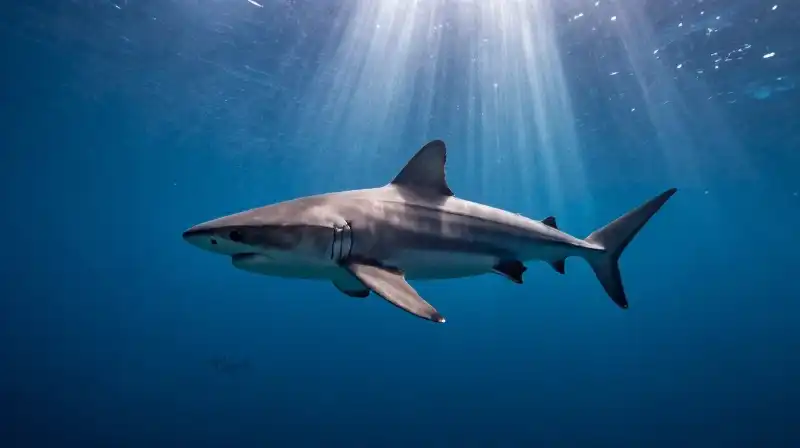
The gap between the public perception of sharks and the scientific reality is vast. One of the most persistent myths is that sharks are a primary threat to humans. In reality, sharks are statistically much less dangerous to people than common environmental hazards; for example, falling coconuts cause approximately 30 times more annual human fatalities than sharks.
The true danger lies in the decline of shark populations. While they are often feared, humans pose a far greater threat to them. It is estimated that approximately 100 million sharks are killed every year through various fisheries. This has led to a significant conservation crisis, with nearly 40% of known shark and ray species currently threatened with extinction due to overfishing, habitat loss, and the impacts of climate change.
Understanding the Ocean’s Ancient Guardians
Sharks are much more than the apex predators depicted in cinema. They are ancient, highly evolved organisms with specialized sensory systems, regenerative bodies, and complex life cycles. Understanding these “cool shark facts” is the first step in shifting the narrative from fear to respect. As we continue to learn about their incredible longevity and biological precision, it becomes clear that protecting these species is not just about saving a predator—it is about maintaining the delicate balance of the entire marine ecosystem.
Facts sourced from peer-reviewed marine biology research, NOAA, and the Smithsonian Ocean Portal. Our editorial team fact-checks all content against current scientific literature.
Frequently Asked Questions
What are the coolest shark abilities?
Sharks possess a sixth sense via the ampullae of Lorenzini to detect electromagnetic fields and temperature shifts, along with the ability to enter a trance-like state of temporary paralysis called tonic immobility. They also feature regenerative teeth and dermal denticles that reduce drag for faster, stealthier swimming.
Related Articles