12 Surprising and Funny Shark Facts You Wont Believe

Introduction
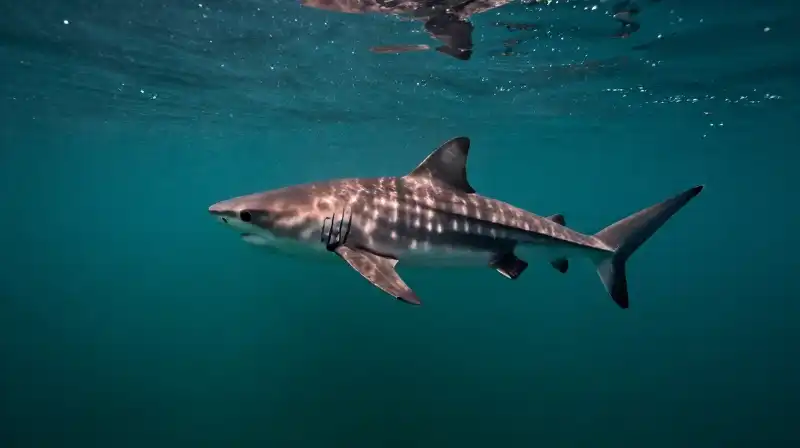
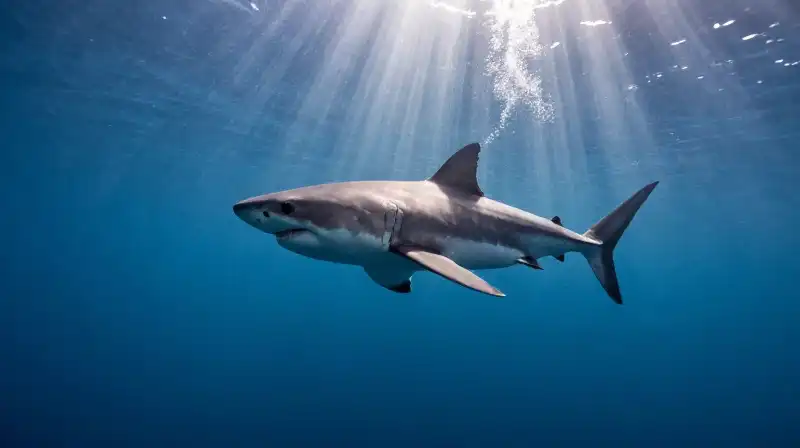
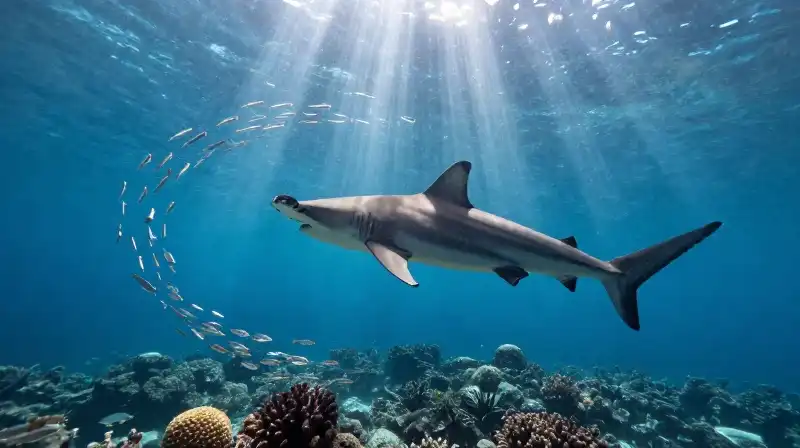
Pop culture often paints sharks as mindless, cinematic monsters lurking in the shadows, waiting to strike. However, the reality of these ancient predators is far more complex—and far less terrifying. In truth, sharks are vital components of marine ecosystems, possessing biological traits that seem more like science fiction than evolutionary biology. From sensing electricity to outliving entire civilizations, sharks have spent millions of years perfecting their place in the ocean.
Busting the “Monster” Myth
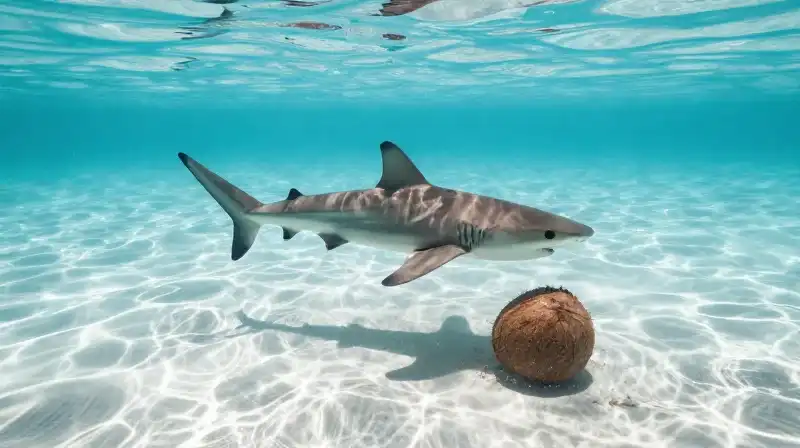
Before diving into the biological wonders of these animals, it is important to address the statistical reality of shark encounters. While headlines often sensationalize shark attacks, the actual risk to humans is incredibly low. In fact, according to sharks are statistically less dangerous to humans than falling coconuts, which are responsible for approximately 30 times more deaths annually.
12 Surprising and Incredible Shark Facts
To understand why sharks are so successful as apex predators, we have to look past the teeth and explore their unique physiology and history.
- They are built without true bones: Unlike most vertebrates, sharks are “elasmobranchs.” This means their skeletons are made of flexible, lightweight cartilaginous tissue—the same material that makes up the human nose and ears. This makes them more buoyant and agile in the water.
- They possess a “sixth sense”: Sharks can detect the tiny electrical impulses produced by the muscles and heartbeats of living creatures. They do this through specialized organs called the ampullae of Lorenzini, which allow them to locate prey hidden beneath the sand or in murky water.
- Their skin is made of tiny teeth: If you were to rub a shark, it wouldn’t feel smooth. Their skin is covered in microscopic, V-shaped scales known as dermal denticles or placoid scales. These are made of an enamel-like material similar to human teeth and are so durable they can actually fossilize.
- They are masters of tooth replacement: A shark’s mouth is a continuous conveyor belt of weaponry. Some species, like the sandbar shark, can shed more than 30,000 teeth in a single lifetime, while others produce an average of 6,000 teeth every year.
- They have diverse ways of having babies: Shark reproduction isn’t “one size fits all.” Some species are oviparous, meaning they lay eggs (often found in protective cases called “mermaid purses”); others are viviparous, giving birth to live young; and some are ovoviviparous, where eggs hatch inside the mother before live birth occurs.
- Sibling rivalry can turn deadly: In one of nature’s more intense survival strategies, female sand tiger sharks practice intrauterine cannibalism. In this process, the largest, strongest pups consume their developing siblings while still in the womb to ensure only the most robust offspring survive.
- Some sharks can “walk”: Evolution has granted the epaulette shark remarkable mobility. It possesses strong pectoral fin muscles that allow it to effectively “walk” across the seafloor or move between tidal pools.
- They have unique breathing methods: While many sharks must swim constantly to keep oxygenated water moving over their gills, bottom-dwellers like nurse sharks have an advantage. They use a specialized opening called a spiracle to pull water into their respiratory system, allowing them to rest on the seabed without suffocating.
- They are ancient survivors: Sharks are an evolutionary success story. Fossil evidence suggests they appeared in the oceans approximately 455 million years ago, a lineage that predates the existence of trees on land.
- The Greenland shark is a time traveler: Found in the cold depths of the North Atlantic, the Greenland shark is incredibly long-lived. Some individuals are estimated to live 500 years or more.
- They can enter a trance: If a shark is flipped upside down, it may enter a state known as tonic immobility. This is a natural, trance-like state that renders the shark temporarily unresponsive.
- They face modern threats: Despite their ancient lineage, sharks are far from invincible. Nearly 40% of known shark and ray species are currently threatened with extinction due to human-driven factors like overfishing, habitat loss, climate change, and accidental bycatch.
Understanding Shark Reproduction
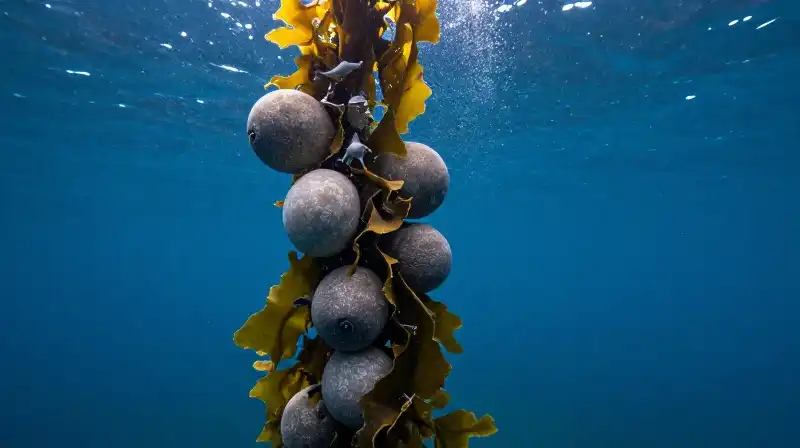
Because “how sharks reproduce” is a common point of confusion, the table below breaks down the three primary methods mentioned in the research.
| Reproductive Type | Mechanism | Result |
|---|---|---|
| Oviparous | Eggs are laid externally in protective cases. | Hatching occurs outside the mother’s body. |
| Ovoviviparous | Eggs are retained inside the mother. | Eggs hatch internally, followed by live birth. |
| Viviparous | The mother provides nutrients to the developing embryo. | Direct live birth of fully formed young. |
Common Questions
What does 🦈 mean in slang?
In digital communication and social media slang, the shark emoji is often used to denote someone who is “hungry” for success, someone who is aggressive/competitive, or to reference “shark tank” style environments where people are looking for deals or opportunities. It can also simply be used by enthusiasts of marine biology and ocean conservation.
The Importance of Sharks
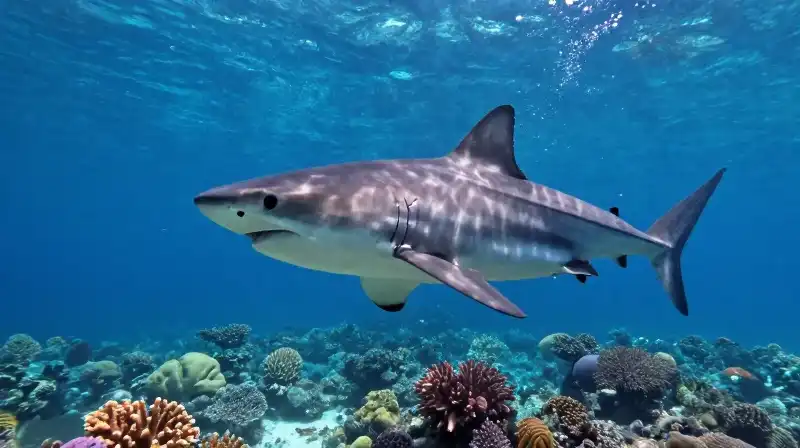
The more we learn about sharks, the more we realize they are not the villains of the ocean, but its essential guardians. Their ancient history, incredible longevity, and highly specialized biological adaptations—from their “sixth sense” to their cartilaginous skeletons—make them one of the most successful groups of animals on Earth. However, their survival is currently at risk. Protecting these apex predators is not just about saving a single species; it is about maintaining the delicate balance of the entire marine ecosystem.
Facts sourced from peer-reviewed marine biology research, NOAA, and the Smithsonian Ocean Portal. Our editorial team fact-checks all content against current scientific literature.
Frequently Asked Questions
What does 🦈 mean in slang?
In digital communication and social media slang, the shark emoji can denote someone who is aggressive, competitive, or hungry for success. It is also used to reference shark tank style environments or by marine biology and ocean conservation enthusiasts.
Related Articles