Amazing Shark Facts: From Ancient Survivors to Superpowers

Introduction
Pop culture often paints sharks as relentless, cinematic monsters, but the reality of these marine predators is far more nuanced and, frankly, more impressive. Far from being mindless killers, sharks are sophisticated evolutionary marvels that have navigated the world’s oceans for hundreds of millions of years. Understanding them requires moving past the Hollywood tropes and looking at the biological “superpowers” that allow them to thrive in environments ranging from sunlit reefs to the crushing darkness of the deep sea.
Busting the Myths: Sharks vs. Humans
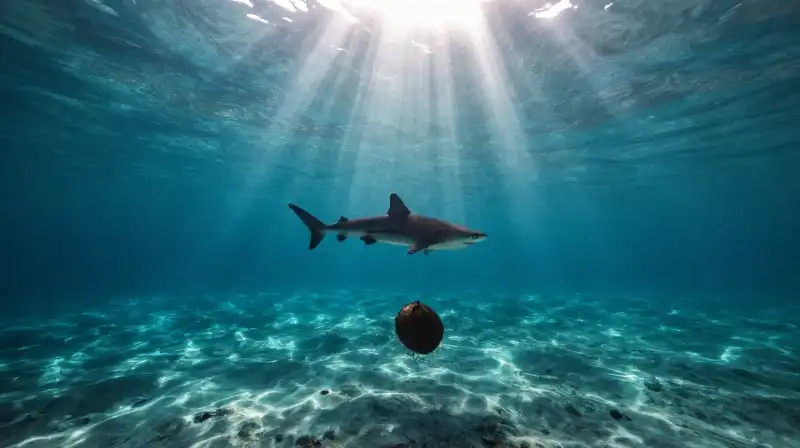
The most significant gap in our understanding of sharks is the difference between perceived danger and statistical reality. While shark encounters make headlines, they are incredibly rare events in the context of human mortality.
- The “Danger” Gap: Statistically, sharks are much less dangerous to humans than many everyday occurrences. For instance, falling coconuts cause approximately 30 times more annual human deaths than shark encounters.
- The Vulnerability Imbalance: The relationship between humans and sharks is heavily skewed. While shark attacks result in roughly five human deaths per year, humans kill an estimated 100 million sharks annually through various fishing activities.
Biological Marvels: How Sharks Work
To understand why sharks are such successful survivors, we have to look at their unique anatomy. They are built differently than most of the vertebrates we encounter on land.
Cartilaginous Skeletons
Sharks belong to a group of fish known as elasmobranchs. Unlike humans, who have skeletons made of hard bone, sharks have skeletons made of cartilaginous tissue—the same flexible material found in your own ears and nose. This lighter, more flexible frame provides several advantages:
- Buoyancy: Because cartilage is less dense than bone, and because sharks possess large livers filled with low-density oils, they are better able to remain buoyant in the water.
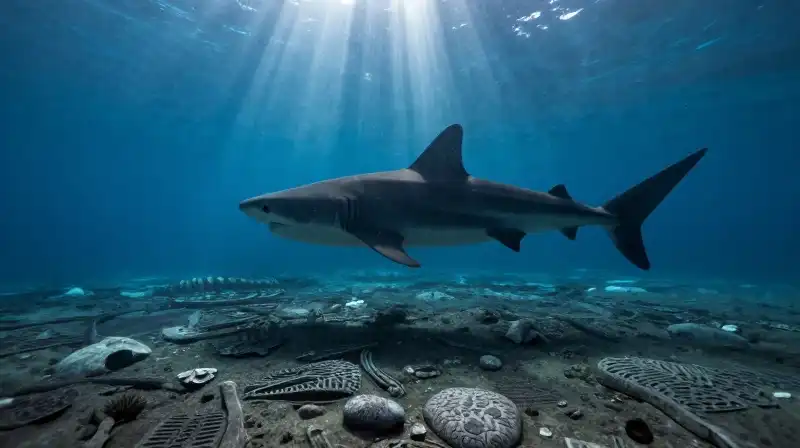
- Fossilization: You might wonder how a creature without bones can leave a fossil record. While their skeletons are soft, sharks deposit calcium salts in their cartilage as they age, and their teeth are heavily mineralized with enamel, allowing them to be preserved in the fossil record.
Sensory Superpowers
Sharks possess an array of specialized senses that make them some of the most effective hunters in the ocean.
- Electroreception: Near their noses and eyes, sharks have small black spots called the ampullae of Lorenzini. These are specialized organs that allow them to sense electromagnetic fields and even subtle temperature shifts in the water.
- Advanced Vision: Many species possess excellent night vision. This is aided by a reflective tissue layer called the tapetum, which helps them see in low-light conditions, and many can even perceive colors.
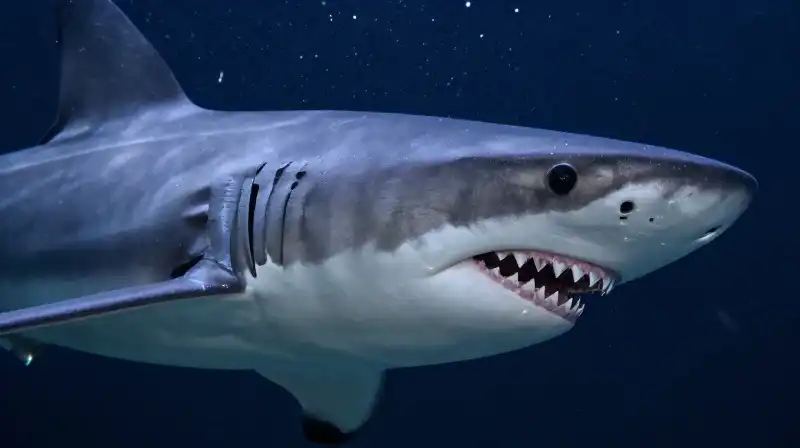
- Dermal Denticles: If you were to touch a shark, it would feel like sandpaper. This is due to microscopic, tooth-like structures called placoid scales, or dermal denticles. These scales are angled toward the tail to reduce water friction, allowing the shark to swim more efficiently.
Ancient Survivors and Longevity
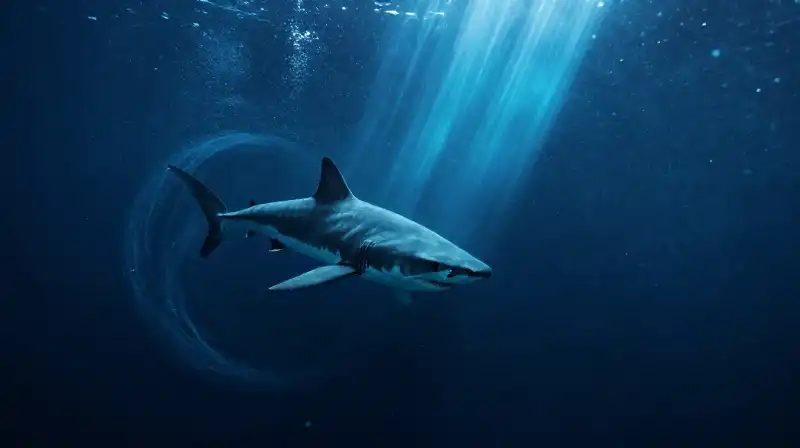
Sharks are not just residents of the ocean; they are its most enduring inhabitants. Fossil evidence suggests sharks first appeared in the oceans approximately 455 million years ago. To put that in perspective, sharks were swimming in the seas long before trees even existed on land.
Their ability to endure through geological epochs is matched by the extreme lifespans of certain species. For example, the Greenland shark is a champion of longevity, with some individuals estimated to live for 500 years or more.
Diversity in Life Cycles and Behavior
There is no single “shark way” to live; instead, species exhibit a staggering range of reproductive and survival strategies.
Reproductive Strategies
Depending on the species, sharks may use different methods to ensure the next generation survives:
- Oviparous: Some sharks lay eggs. A notable example is the Port Jackson shark, which lays unique, spiral-shaped eggs designed to corkscrew into rock crevices for protection.
- Viviparous: Other species are live-bearers, giving birth to fully formed pups.
Specialized Adaptations and States
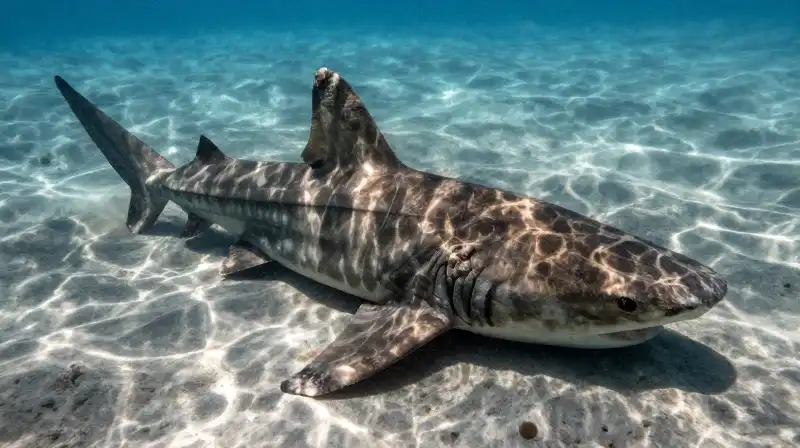
Environmental needs have driven unique physical adaptations. For example, bottom-dwelling sharks like nurse sharks possess a “spiracle”—a specialized opening that allows them to pull oxygenated water into their systems even while they are resting on the seafloor. Some sharks also exhibit a biological phenomenon known as tonic immobility; when flipped upside down, certain species enter a trance-like, immobile state.
Why These Amazing Shark Facts Matter
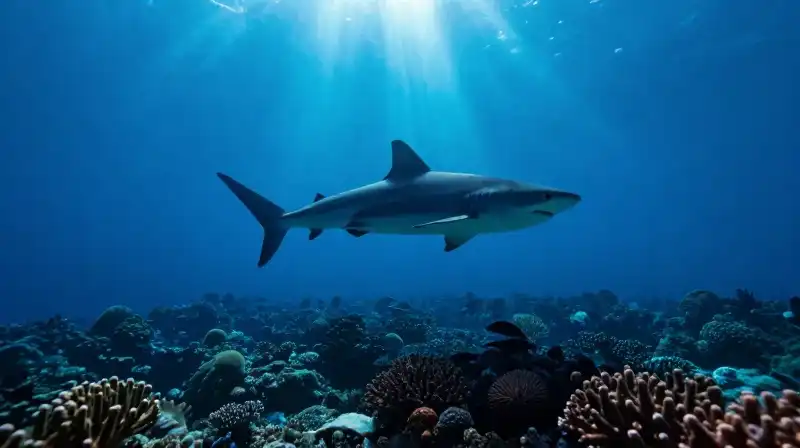
The more we learn about these animals, the more we realize they are not the villains of the ocean, but its essential architects. From their ancient lineage that predates terrestrial forests to their highly specialized sensory systems, sharks represent a pinnacle of evolutionary design. Recognizing their biological complexity—and the massive imbalance in how they interact with human populations—is the first step toward meaningful marine conservation and moving past the outdated myths that surround them.
Facts sourced from peer-reviewed marine biology research, NOAA, and the Smithsonian Ocean Portal. Our editorial team fact-checks all content against current scientific literature.
Related Articles