12 Fascinating Facts About Nurse Sharks and Their Behavior


Introduction
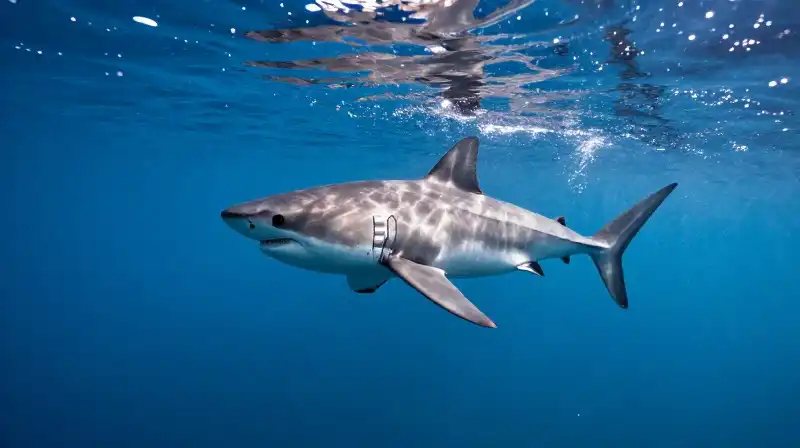
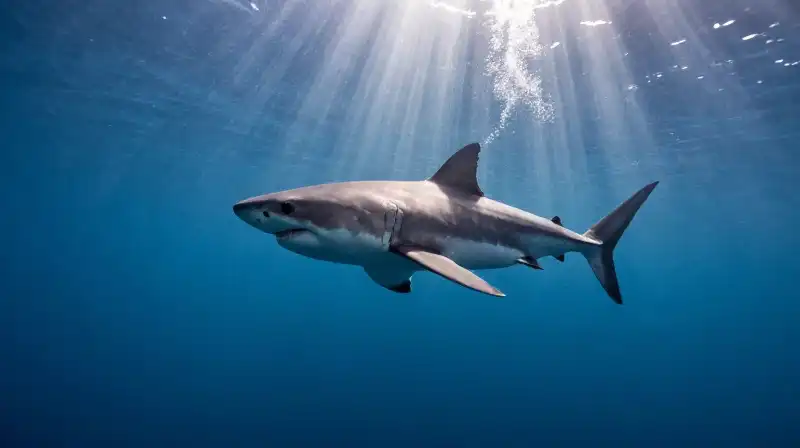
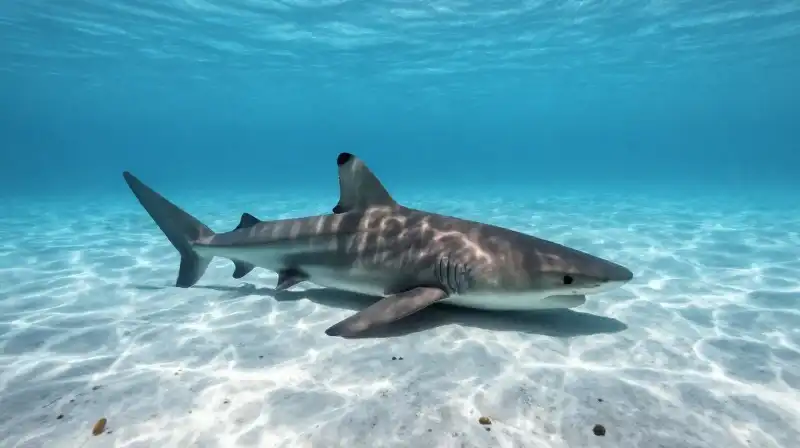
While many people imagine sharks as high-speed hunters constantly patrolling the open ocean, the nurse shark prefers a much more relaxed lifestyle. These bottom-dwelling residents of coral reefs and sandy flats spend much of their day resting in caves or tucked into crevices. Unlike the Great White, which must keep moving to push oxygen-rich water through its gills, the nurse shark has mastered the art of the stationary life through a unique biological workaround. This specialized way of living has shaped everything from how they breathe to how they hunt, making them one of the most distinctive inhabitants of the seafloor.
Biological Marvels: How Nurse Sharks Survive

The nurse shark’s anatomy is perfectly tuned to its benthic, or bottom-dwelling, lifestyle. Because they spend so much time resting on the sand, they have evolved several specialized traits that set them apart from other shark species.
Buccal Pumping: Breathing Without Swimming
One of the most fascinating biological features of the nurse shark is its ability to breathe while remaining completely still. Most sharks rely on “ram ventilation,” meaning they must swim forward to force water over their gills. Nurse sharks, however, use a method called “buccal pumping”. By expanding their mouths and throats, they create negative pressure that pulls water in, then contract those muscles to pump the water over their gills. This allows them to nap on the ocean floor without the risk of suffocating.
Sensory Barbels and Suction Feeding
Finding food in the dark corners of a reef or buried under layers of sand requires more than just sight. Nurse sharks possess fleshy appendages called barbels located just below their nostrils. These act much like a cat’s whiskers, helping the shark detect the presence of prey hidden in the substrate. Once prey is located, the shark employs a “vacuum cleaner” feeding mechanism. By using a powerful suction system, they can pull crustaceans, small fish, and cephalopods directly into their mouths with incredible efficiency.
Specialized Dentition
A nurse shark’s teeth are not designed for tearing flesh, but for crushing armor. Their teeth are small, serrated, and neatly aligned rather than overlapping. This dental structure is ideal for cracking the hard shells of snails and lobsters. To ensure they are always ready for a meal, these sharks undergo a constant tooth replacement cycle. Depending on the season, new rows of teeth can appear as frequently as every 10–20 days during the summer, slowing down to every 50–70 days in the winter.
Understanding the Varieties of Nurse Sharks
Not all nurse sharks are identical; different species have adapted to specific niches within the marine ecosystem. Below is a comparison of some notable traits found across different types.
| Trait/Species | Details and Characteristics |
|---|---|
| Average Size | Typically ranges from 5 to 9 feet in length. |
| Grey Nurse Shark | Also known as the sand tiger shark, these can grow up to 3.2 meters and live up to 30 years. |
| Tawny Nurse Shark | An ovoviviparous species, meaning eggs hatch inside the mother and the young feed on unfertilized eggs before being born. |
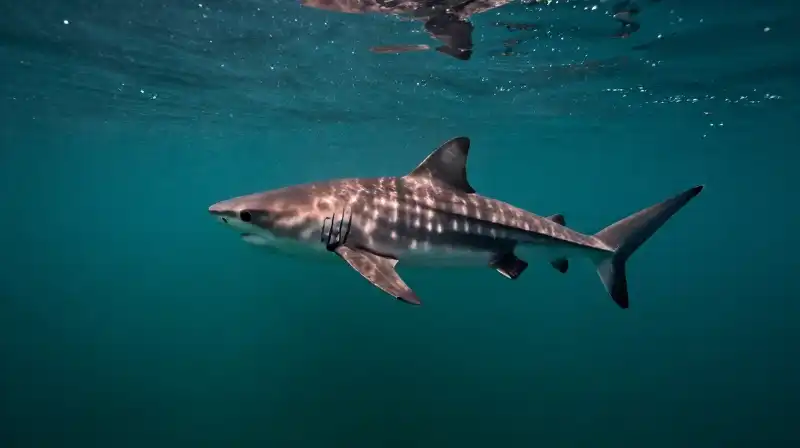
| Appearance | Adults usually feature a mosaic of tan, brown, and gray skin with a sandpaper texture; newborns may have spots. |
Common Misconceptions and Realities
Because sharks are often portrayed as “ultimate predators” in popular media, several myths persist about the nurse shark’s temperament and abilities.
- Myth: Nurse sharks are a major threat to humans.
In reality, nurse sharks are generally non-aggressive toward people. There have never been any recorded fatal attacks on humans involving this species, though they may bite if they feel cornered or disturbed. - Myth: Sharks can smell a single drop of blood from across the ocean.
While nurse sharks have an incredibly accurate sense of smell, the idea of detecting a single drop in the entire ocean is an exaggeration. They can detect minuscule chemical quantities, but the scale of detection varies by species. - Myth: All large nurse shark sightings are accurate.
While average sizes are 5 to 9 feet, some reports claim sightings as large as 14 or 15 feet. Many scientists suspect these extreme figures may be exaggerated.
Social Life and Conservation Status
Contrary to the image of the solitary predator, nurse sharks are quite social. Scientists have observed large groups of up to 40 sharks resting together on top of one another, a behavior that may also facilitate mating.
Despite their somewhat laid-back nature, nurse sharks face significant environmental pressures. The greatest threat to these animals is not humans encountering them in the water, but rather human activity such as illegal fishing for shark fins. Some species are in even more precarious positions; for example, the grey nurse shark is currently listed as critically endangered due to heavy fishing pressure.
Why Nurse Sharks Matter
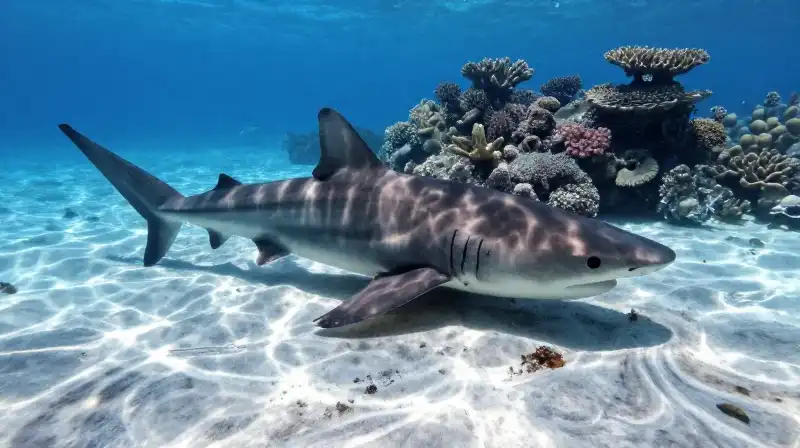
Nurse sharks serve as vital components of the reef ecosystem, acting as both predators and cleaners of the seafloor. Their unique biological adaptations—from the suction-powered jaws to the ability to breathe while resting—showcase the incredible ways marine life evolves to fit specific niches. Understanding that these animals are complex, social, and often misunderstood is the first step toward ensuring their continued survival in our changing oceans.
Facts sourced from peer-reviewed marine biology research, NOAA, and the Smithsonian Ocean Portal. Our editorial team fact-checks all content against current scientific literature.
Related Articles