
Fascinating Coral Fun Facts: From Tiny Polyps to Ocean Cities

Introduction
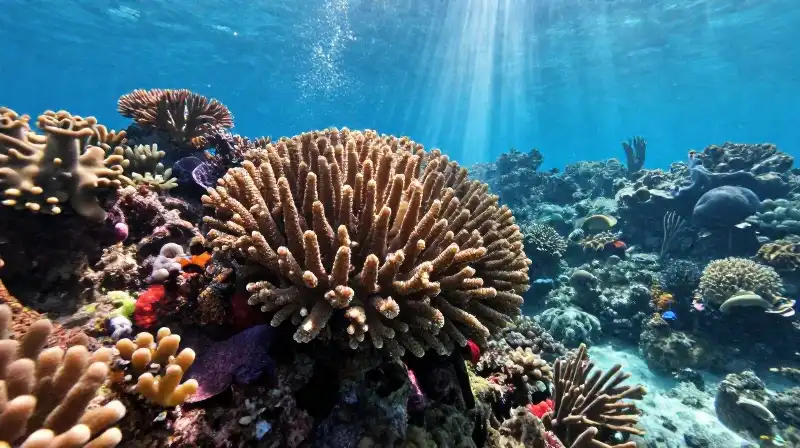
At first glance, a coral reef looks like a static landscape of colorful rocks and swaying plants. However, this underwater scenery is actually a bustling, living metropolis built by animals. Far from being inanimate geological formations, coral reefs are complex biological structures constructed by millions of tiny organisms working in unison. These “cities” have existed for hundreds of millions of years, predating even the dinosaurs, and they continue to serve as one of the most vital foundations of life in our oceans.
What is special about coral?
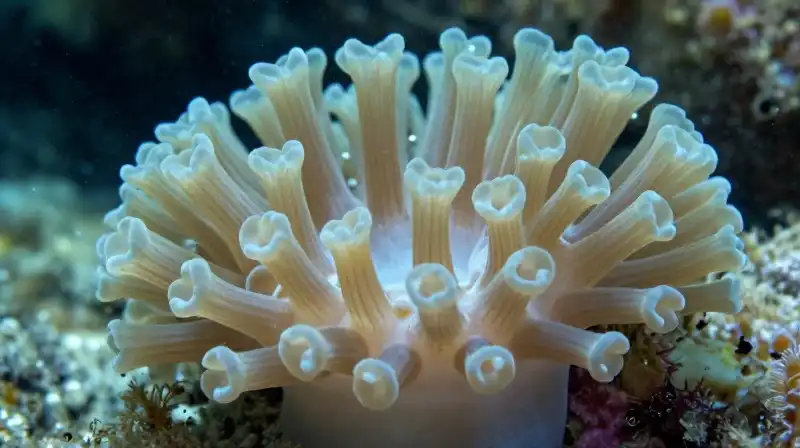
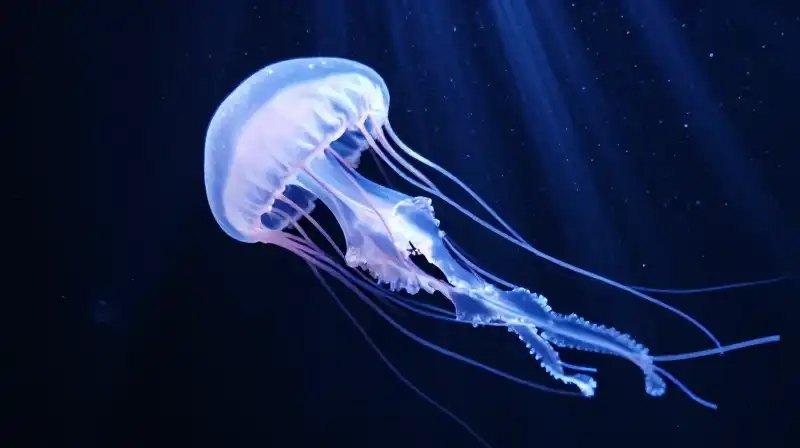
The most common misconception about coral is that it is a plant or a rock. In reality, coral is an animal. Specifically, a reef is made up of countless individual organisms called polyps. These polyps belong to a group of animals known as Cnidarians, which makes them biological cousins to creatures you might recognize more easily, such as sea anemones and jellyfish.
Each polyp has its own mouth and stomach, allowing it to consume food. While they are stationary as adults, they are part of a highly organized biological system that creates massive, complex structures through their life cycles.
Fascinating Coral Fun Facts
To understand how these organisms function and why they are so significant to the planet, it helps to look at the specific biological “tricks” and roles they play.
The Biology of a Polyp
- A Symbiotic Partnership: Most corals rely on a tiny partnership to survive. They host microscopic algae inside their cells; these algae use sunlight to produce food, which they then share with the coral. This relationship is why corals need sunlight to thrive.
- Fluorescent Protection: Some corals possess the ability to produce vibrant, fluorescent pigments. Researchers suggest these colors might act as a natural “sunscreen,” creating a protective shield against intense light and ultraviolet radiation.
- Mobile Beginnings: While an adult coral stays in one place for its entire life, they don’t start that way. Coral larvae are mobile, capable of swimming through ocean currents to find the perfect spot to attach and begin growing.
Diversity in Form and Structure
With over 6,000 species identified worldwide, corals come in a staggering array of shapes and textures. They are generally categorized into two main types:
| Feature | Hard Corals | Soft Corals |
|---|---|---|
| Skeleton | Create rigid calcium carbonate skeletons | Possess flexible skeletons |
| Movement | Fixed and structural; form the “foundation” of reefs | Can bend and sway with ocean currents |
| Appearance | Often include “brain” patterns or table-like structures | Often look more like sea fans or plants |
Ecosystem Engineers: The Underwater Cities
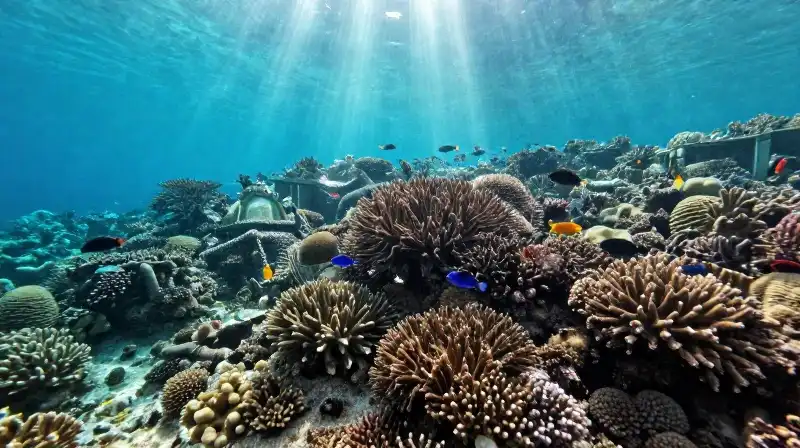
Biologists often refer to corals as “ecosystem engineers” because they don’t just live in an environment—they build it. By secreting calcium carbonate, they create the three-dimensional architecture that provides the “housing” for the ocean’s inhabitants.
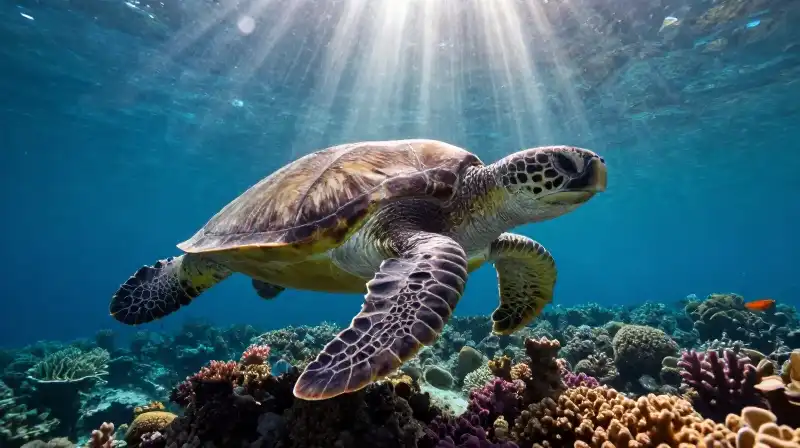
Although coral reefs cover less than one percent of the ocean floor, they support approximately 25 percent of all marine life. They act as underwater forests and cities, offering food, shelter, and breeding grounds for a massive spectrum of species, ranging from microscopic invertebrates to large predators like sharks and sea turtles.
Why Coral Reefs Matter to Humans
The value of coral reefs extends far beyond marine biology; they are essential to human safety and global economies. Beyond being a source of food and medicine, reefs act as natural coastal defenses. They can absorb up to 90 percent of wave energy, protecting shorelines from flooding and erosion. Economically, the services provided by these reefs—including tourism and coastal protection—are estimated to contribute roughly $10 trillion in value every year.
Current Threats and Conservation
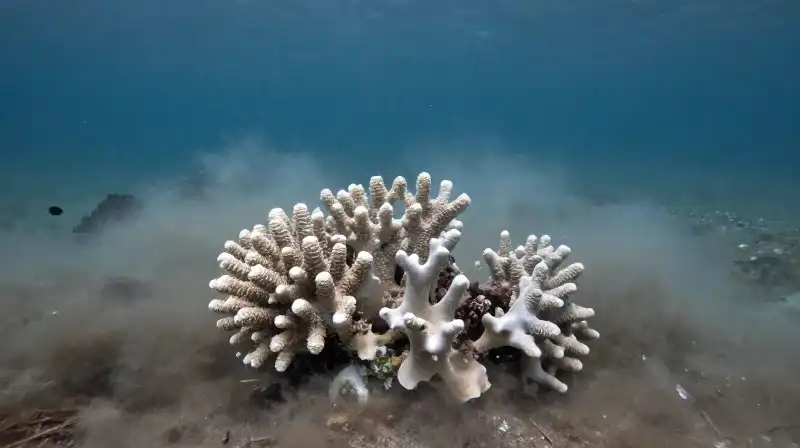
Despite their ancient history and resilience, coral reefs are currently facing unprecedented challenges. The most significant threat is climate change. As ocean temperatures rise, corals experience a stress response known as “bleaching”. During bleaching, the coral expels the symbiotic algae living in its tissues. Because the algae provide the coral’s food, this leaves the coral white, weakened, and highly vulnerable to starvation and disease.
While corals can recover from a bleaching event if the water temperature returns to normal quickly, prolonged heat stress often leads to permanent death. Other major pressures include:
- Ocean Acidification: Changes in water chemistry that make it harder for corals to build their skeletons.
- Pollution: Runoff and chemicals that can disrupt the delicate chemical balance of the reef.
- Physical Damage: Direct impact from boat anchors or human contact during diving and swimming.
The Living Foundation of the Sea
Coral reefs are a testament to the power of cooperation in nature. Through the tiny, collective actions of billions of polyps and their symbiotic algae, these organisms transform simple seawater into complex, protective, and life-sustaining structures. They are much more than just beautiful underwater scenery; they are the historical architects of the ocean, providing stability for marine biodiversity and essential protection for our planet’s coastlines.
Facts sourced from peer-reviewed marine biology research, NOAA, and the Smithsonian Ocean Portal. Our editorial team fact-checks all content against current scientific literature.
Frequently Asked Questions
What's special about coral?
Contrary to common misconceptions, coral is an animal made up of individual organisms called polyps that build complex, three-dimensional biological structures. These ecosystem engineers create the architecture that supports approximately 25 percent of all marine life.
Related Articles