

Introduction
The ocean is far more than just a vast expanse of saltwater; it is a complex world of specialized biological machinery. From the way a predator senses its next meal in total darkness to the delicate methods scientists use to track the history of a single fish, marine life has evolved extraordinary adaptations to survive. Understanding these fun facts about ocean animals provides a window into the sophisticated survival strategies required to thrive in one of Earth’s most challenging environments.
Sensory Superpowers and Biological Timelines
Many marine species possess sensory capabilities that seem almost otherworldly, allowing them to navigate and hunt in environments where sight is often limited or useless.
Whisker-Based Navigation in Seals
While many people associate hunting with sight, many seals rely on touch and vibration. They use their whiskers—or vibrissae—to detect the minute hydrodynamic disturbances caused by swimming prey. According to this sensory adaptation is so effective that even seals that are blind in the wild can hunt successfully, relying entirely on these tactile vibrations to locate their food.
Reading a Fish’s History
Determining how long a marine animal has lived is essential for managing fisheries and understanding ecosystem health. Scientists don’t rely on guesswork; instead, they look for biological records left behind by the animal’s own growth. By examining specific growth rings found on a fish’s scales or within its ear bones, researchers can accurately determine the age of the specimen.
Conservation and the Complexity of Marine Life
Understanding ocean animals also requires acknowledging their vulnerability. Several species face significant challenges due to historical human impact and current environmental pressures.
The Vulnerable Sea Turtles of U.S. Waters
Sea turtles are iconic symbols of ocean conservation, yet many populations remain at risk. In United States waters, all six recognized species are currently protected under the Endangered Species Act. These species include:
- Green sea turtles
- Hawksbill sea turtles
- Kemp’s ridley sea turtles
- Leatherback sea turtles
- Loggerhead sea turtles
- Olive ridley sea turtles
The History and Risk of the Right Whale
The North Atlantic right whale carries a name that is a direct result of its history with human hunters. Because these whales are relatively slow-moving and tend to float at the surface after being killed, they were considered the “right” whale to hunt. Today, this species is recognized as the most endangered whale species found off the U.S. coasts, making its protection a critical priority for marine biologists.
Debunking Common Marine Myths
Popular belief often simplifies the realities of marine biology, particularly when it comes to the biology of crustaceans and the economics of seafood.
The Lobster Weight Myth
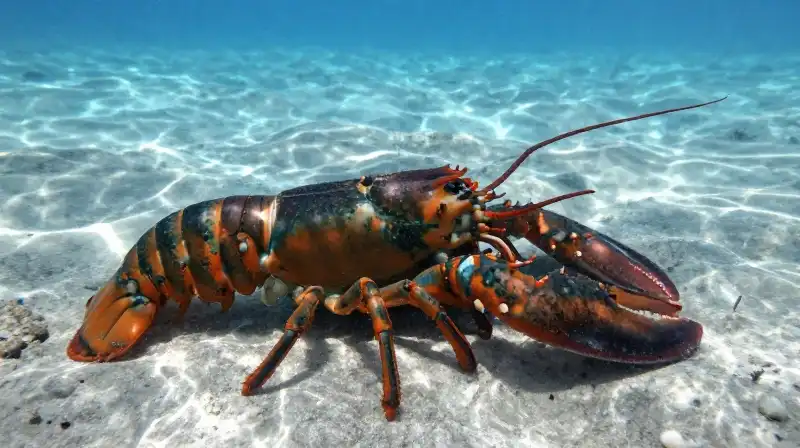
A common misconception involves the yield of lobster meat. Many consumers assume a direct correlation between the total weight of a lobster and the amount of meat they will receive. However, the weight of the animal does not translate directly to the weight of the meat; for instance, a one-pound lobster does not yield one pound of meat. A significant portion of the animal’s weight is comprised of the exoskeleton and internal organs.
Why These Details Matter
The study of marine life is a study of specialized evolution. Whether it is the tactile precision of a seal’s whiskers or the biological “rings” that tell a fish’s life story, every adaptation serves a purpose in the ocean’s delicate balance. Recognizing the historical reasons behind the names of species like the right whale, and understanding the legal protections afforded to sea turtles, helps us move past simple curiosity toward meaningful conservation and respect for the deep sea.
Facts sourced from peer-reviewed marine biology research, NOAA, and the Smithsonian Ocean Portal. Our editorial team fact-checks all content against current scientific literature.
Related Articles