12 Surprising and Fun Ocean Animal Facts You Should Know

Introduction
The ocean is far more than a massive expanse of saltwater; it is a complex laboratory of biological engineering where evolution has produced solutions to survival that seem almost alien. From creatures with blue blood to organisms that effectively cheat death, the marine world operates by a different set of rules than our own. Understanding these animals requires looking past their outward appearances to the specialized mechanics—the chemistry, anatomy, and sensory adaptations—that allow them to thrive in everything from sunlit reefs to the crushing pressures of the deep sea.
Biological Marvels and Evolutionary Oddities
Many of the most fascinating ocean animal facts involve how species have adapted their very biology to survive specific environmental challenges. These aren’t just quirks; they are essential tools for life.
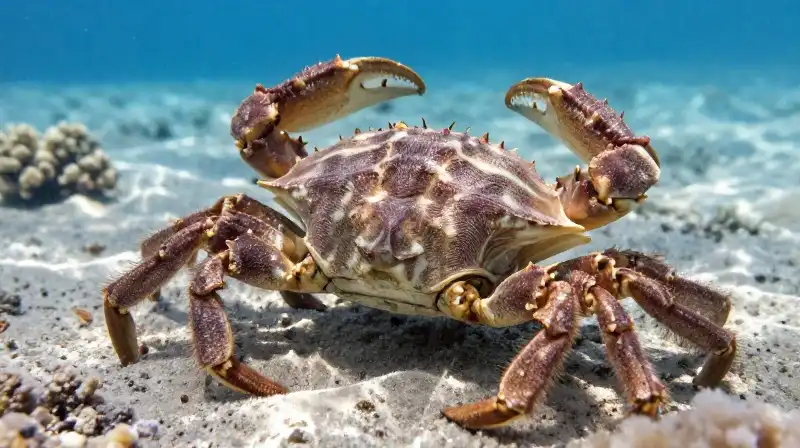
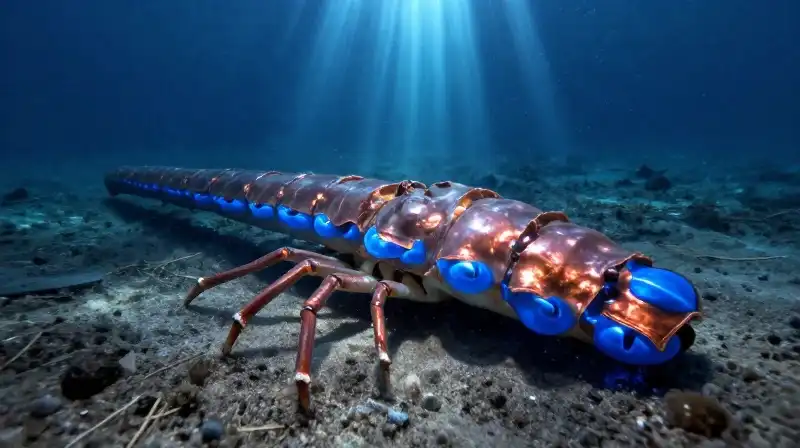
- The Blue Blood of Horseshoe Crabs: Unlike humans, who use iron-based hemoglobin to transport oxygen (giving our blood a red hue), horseshoe crabs use copper-based hemocyanin. This chemical difference results in bright blue blood. Beyond its color, this blood is a cornerstone of modern medicine; it possesses the unique ability to coagulate instantly when it encounters bacterial toxins, a property used by scientists to ensure vaccines and injectable drugs are safe for human use.
- The Siphonophore Misconception: Many people see a Portuguese man o’ war drifting in the waves and label it a jellyfish. However, it is actually a siphonophore—a colonial organism. Rather than being a single animal, it is a complex colony of specialized individual organisms called zooids, which work together as a single functional unit.
- Squid Brain Anatomy: Squid possess a highly centralized nervous system, but their structural layout is startlingly different from terrestrial animals. In a unique anatomical arrangement, a squid’s brain actually wraps around its esophagus.
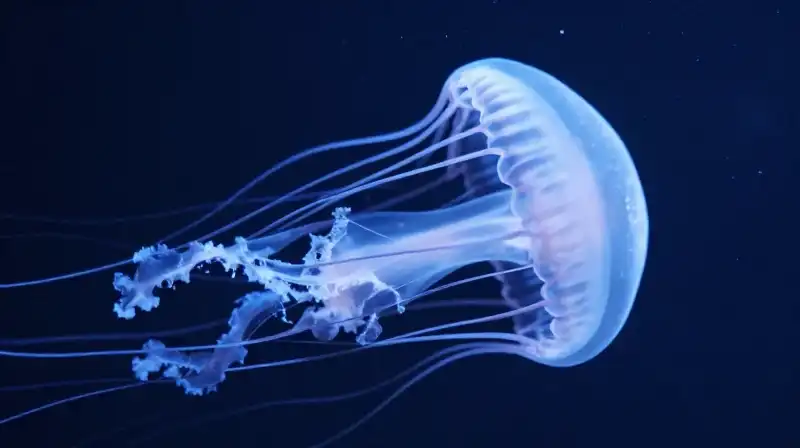
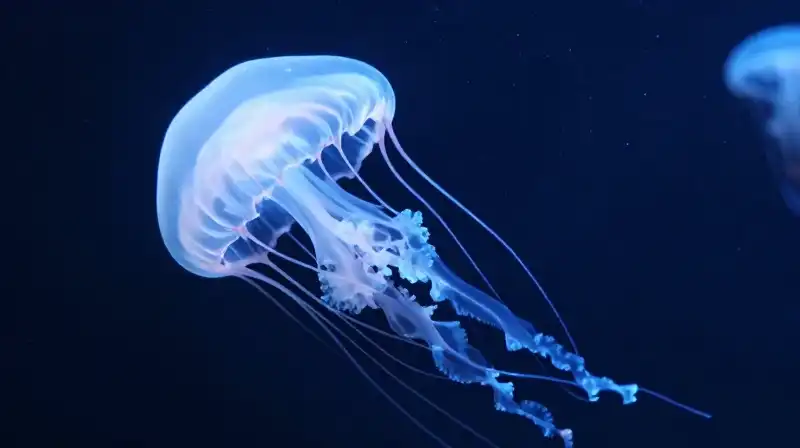
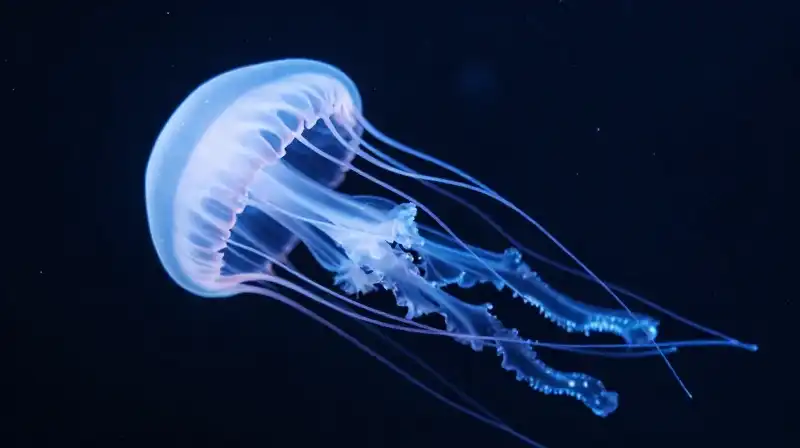
- The “Immortal” Jellyfish: While most life follows a linear path from birth to death, certain jellyfish species have found a biological workaround. These organisms are noted for their ability to effectively live indefinitely by reverting their cells to an earlier stage of life when threatened or aged.
Specialized Hunters: Speed and Sensory Mastery
To survive in the wild, predators must master the art of the hunt, whether through sheer physical power or highly specialized sensory equipment.
- The High-Speed Metabolism of Tuna: Tunas are built for extreme velocity. To maintain the muscle temperatures required for high-speed swimming in cool waters, they generate significant internal body heat. This specialized thermoregulation is a double-edged sword: if a tuna is pulled from the water, it can actually overheat and “cook” itself because it can no longer dissipate that heat effectively.
- The Goblin Shark’s Strike: In the deep sea, where food is scarce, the goblin shark utilizes a terrifying anatomical feature. It can rapidly protrude its jaws forward to snatch prey that might otherwise be out of reach.
- Seal Whisker Sensitivity: Seals navigate and hunt using more than just sight. They use their whiskers to detect minute vibrations in the water caused by swimming prey. This sensory capability is so advanced that even seals that are blind in the wild can hunt and feed effectively.
Defense and Longevity in the Deep
Survival often comes down to how an animal handles a direct threat or how it manages its own aging process.
| Species/Group | Survival Strategy / Fact | Mechanism |
|---|---|---|
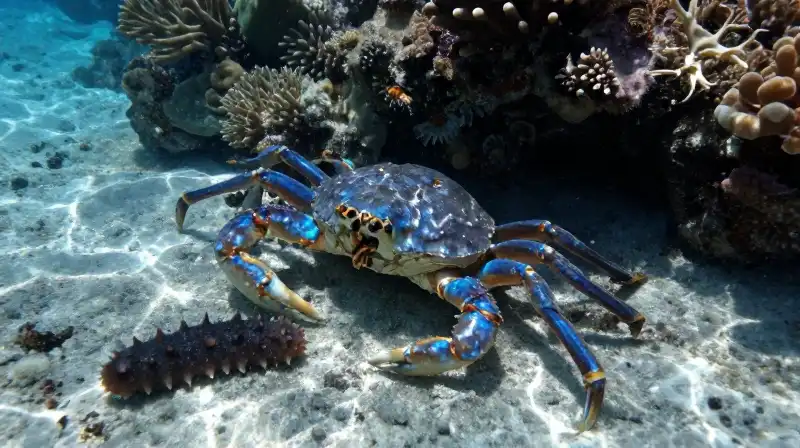
| Sea Cucumbers | Ejecting organs as a defense | They can expel their sticky digestive organs to distract predators and later regenerate them. |
| Various Fish | Age estimation | Scientists can determine a fish’s age by examining the growth rings found on their scales or ear bones. |
Conservation and the Human Impact
Many species that are celebrated for their biological uniqueness are also the most vulnerable to human activity. Historical naming and modern biology often collide in the story of the right whale.
The right whale earned its name through a dark historical context: whalers considered it the “right” whale to hunt because of its slow movement and its tendency to float after being killed. Today, this species is no longer a target for industry but is instead a focus of urgent protection, as it remains one of the most endangered whale species off the U.S. coasts.
Similarly, marine life across the globe faces significant legal protections. In U.S. waters, all six species of sea turtles—including the green, leatherback, and loggerhead—are protected under the Endangered Species Act to prevent their extinction. These protections are vital as habitat loss and climate change continue to impact marine biodiversity.
The Complexity of Marine Life
From the copper-based blood of the horseshoe crab to the regenerative abilities of the sea cucumber, the ocean is a testament to the ingenuity of evolution. These facts reveal that marine animals are not merely inhabitants of the sea, but highly specialized biological machines designed to solve the problems of pressure, temperature, and predation. Recognizing these unique traits helps us appreciate the profound complexity of the underwater world and the necessity of preserving the delicate ecosystems that support them.
Facts sourced from peer-reviewed marine biology research, NOAA, and the Smithsonian Ocean Portal. Our editorial team fact-checks all content against current scientific literature.
Related Articles