
10 Fascinating Facts About Dolphins and Their Unique Traits

Introduction
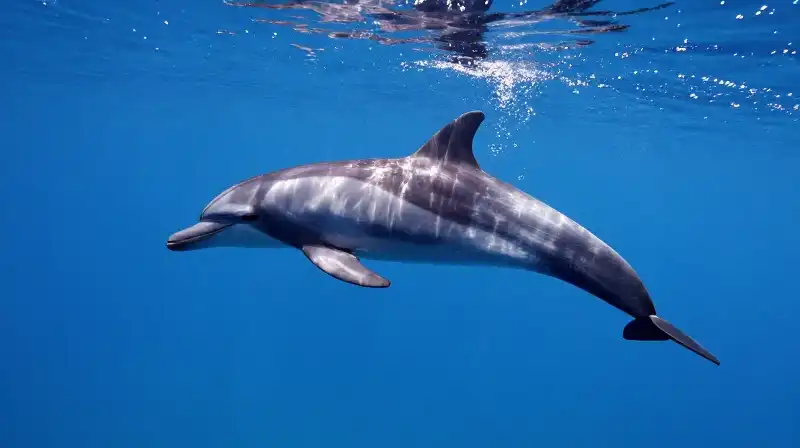
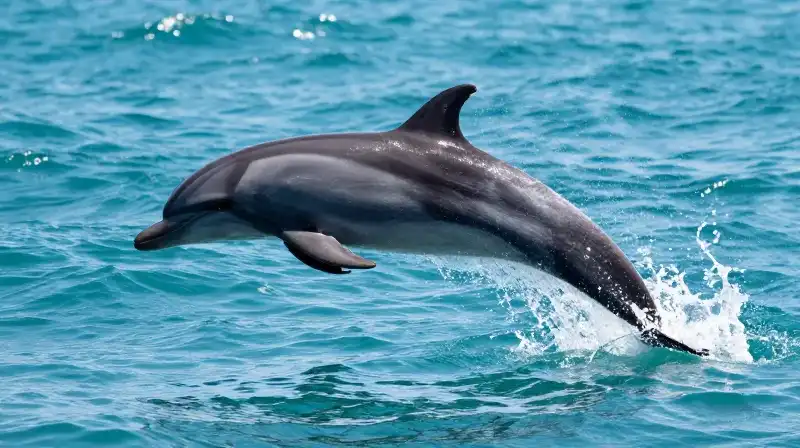
Dolphins are often the first animals people think of when imagining the intelligence and playfulness of the ocean. These sleek, streamlined mammals have captured human imagination for centuries, appearing in folklore and modern media alike. However, beneath their famous smiles lies a complex biology and a remarkable ability to thrive in environments that would be inhospitable to most other mammals. From the icy reaches of the North Atlantic to tropical estuaries, dolphins have mastered the art of aquatic life through specialized physical adaptations and unique sensory systems.
10 Fascinating Facts About Dolphins and Their Unique Traits

To understand why dolphins are so successful as marine predators, we have to look closely at how they function. Here are some of the most compelling things about their biology and behavior.
- Unmatched Environmental Adaptability: Dolphins are not limited to a single type of habitat. There are approximately 40 to 45 different species that inhabit nearly every aquatic environment imaginable, including open oceans, coastal areas, estuaries, and even freshwater systems. This versatility allows them to survive in extreme temperatures, ranging from waters below 0°C to those exceeding 30°C.
- A Fleeting Touch of Hair: Although they appear completely smooth, dolphins are mammals, and mammals are characterized by hair. According to dolphins are actually born with hair located on the top of their rostrum (snout). However, this hair falls out shortly after birth, leaving them hairless for the remainder of their lives.
- Hydration Through Diet: You won’t see a dolphin stopping to take a drink of water. Unlike humans, dolphins do not drink liquid water to stay hydrated; instead, they obtain all their necessary fresh water from the fish they consume.
- Single-Set Teeth: Bottlenose dolphins possess a significant number of teeth—anywhere between 72 and 104—but they do not get multiple sets. Unlike many other mammals that replace teeth as they age, dolphins only get one set for their entire lives.
- Grasping, Not Chewing: While they have many teeth, dolphins do not use them for mastication. Instead, they utilize their teeth specifically to catch and hold prey, which they then swallow whole.
- Specialized Underwater Vision: Navigating the transition between air and water is difficult for most eyes, but dolphins have evolved to handle both. To facilitate clear sight while submerged, they produce a specialized oily substance to protect their eyes.
- A Specific Color Spectrum: While many wonder if dolphins see the world in vibrant color, research indicates their vision is specialized for the aquatic environment. They primarily see within the blue-green spectrum, as well as in various shades of grey.
- Global Distribution: Dolphins are found in almost every corner of the globe. In the UK, for example, bottlenose populations are concentrated in specific hubs like Cardigan Bay in Wales and the Moray Firth in Scotland.
- Northern Extremes: The Scottish population of bottlenose dolphins is particularly notable because it represents the most northerly pod of bottlenose dolphins in the entire world.
- Evolutionary Success: Their combination of high intelligence, social structures, and sensory adaptations (like echolocation, though not detailed in this specific research set) has allowed them to remain one of the most successful lineages in the marine world.
Comparing Dolphin Habitats
Because there are so many species, their environments vary significantly. The following table illustrates the different types of aquatic systems where you might find various dolphin species.
| Environment Type | Characteristics | Example Context |
|---|---|---|
| Open Ocean | Deep, salt water with high currents | Pelagic species roaming vast distances |
| Coastal/Estuarine | Shallow waters, mixing of salt and fresh water | Common areas for bottlenose dolphins |
| Freshwater | Rivers and lakes | Specific species adapted to non-saline systems |
Common Questions About Dolphin Biology

How do dolphins breathe if they live underwater?
While not covered in the specific physiological summary above, it is a fundamental fact that as mammals, dolphins must come to the surface to breathe air through their blowholes. Their ability to hold their breath and manage oxygen is a key part of their deep-sea capabilities.
Are all dolphins the same species?
No. As noted by there are between 40 and 45 different species. This variety means that “dolphin” is a broad category that includes animals with different sizes, social behaviors, and habitat preferences.
The Remarkable Resilience of Marine Mammals
The “cool facts about dolphins” that most people gravitate toward—their intelligence and social nature—are underpinned by these incredible biological realities. From the way they extract hydration from their food to their ability to see through the blue-green haze of the ocean, every aspect of a dolphin’s anatomy is a finely tuned response to life in the water. Understanding these traits helps us appreciate them not just as charismatic animals, but as highly specialized survivors of the Earth’s most demanding environments.
Facts sourced from peer-reviewed marine biology research, NOAA, and the Smithsonian Ocean Portal. Our editorial team fact-checks all content against current scientific literature.
Related Articles