
5 Fascinating Facts About Whales and Their Incredible Lives

Introduction
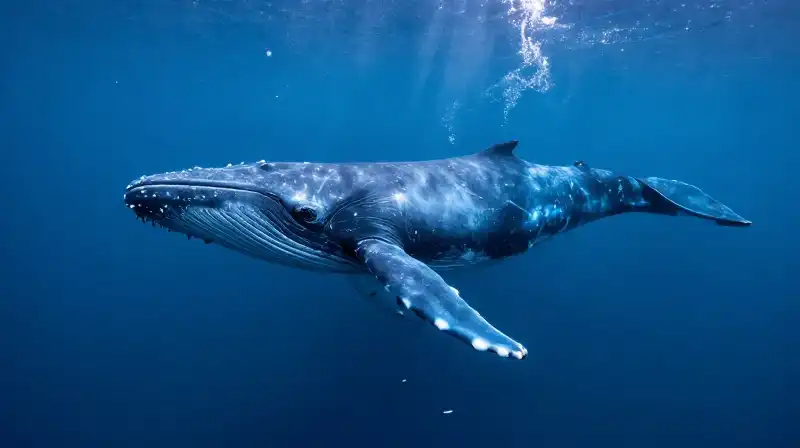
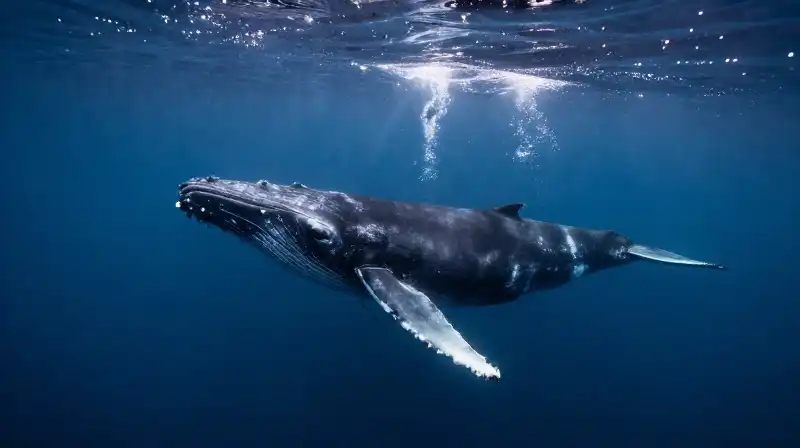
Whales are the undisputed heavyweights of the natural world, existing in a realm of scale that is difficult for the human mind to fully grasp. They are not just large animals; they are complex, sentient beings that exhibit sophisticated social structures, intricate communication, and migratory patterns that span entire oceans. To understand whales, one must first understand that they are divided into two fundamental biological groups: baleen whales, which use specialized fibrous plates to filter tiny organisms like krill and copepods from the water, and toothed whales, which are active hunters of larger prey such as fish and squid.
5 Fascinating Facts About Whales and Their Incredible Lives
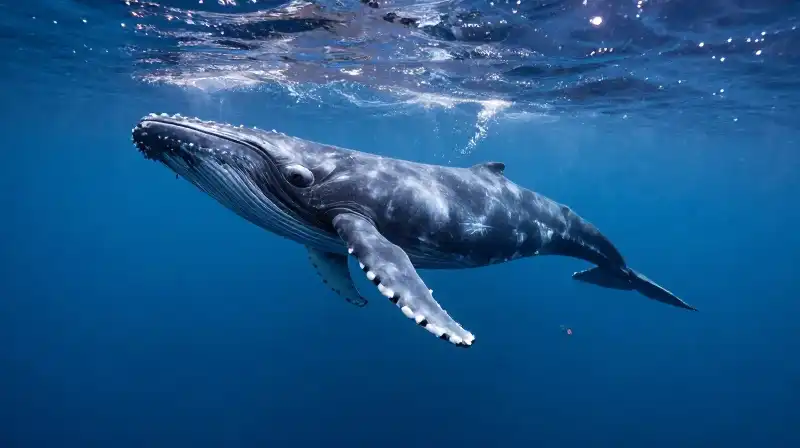
While there are countless wonders to discover about these marine giants, these five facts highlight the sheer diversity and biological marvels of the cetacean world.
- The Blue Whale’s Paradoxical Anatomy: The blue whale is the largest animal to ever inhabit the Earth. According to these giants can reach lengths of 90 feet or more and weigh as much as 330,000 pounds—roughly equivalent to the weight of 24 elephants. Yet, despite this massive scale, a male blue whale has a remarkably narrow throat; it is physically incapable of swallowing anything much larger than a grapefruit or a mango.
- Rapid Growth in Calves: Life begins at a staggering pace for the offspring of the world’s largest mammals. During their first year of life, blue whale calves experience an incredible growth spurt, gaining approximately 200 pounds every single day.
- The “Canaries of the Sea”: Not all whales rely on massive size to command attention. Beluga whales are famous for their high-pitched, complex communication. Because they possess flexible necks that allow them to move their heads in many directions, they can produce a wide array of whistles, clicks, and chirps, earning them the nickname “canaries of the sea”.
- Extreme Longevity: Some whale species are among the longest-living mammals on the planet. While many animals live for only a few decades, bowhead whales are estimated to live for more than 200 years, and killer whales (orcas) can live for over 100 years.
- Architects of the Deep-Sea Ecosystem: A whale’s impact on the ocean continues even after it passes away. When a whale dies and sinks to the ocean floor, its carcass creates what scientists call a “whale fall.” This event provides a massive influx of nutrients that creates a specialized micro-ecosystem, supporting deep-sea communities for decades.
Comparing Whale Groups and Traits
Because whales vary so significantly in size, diet, and behavior, it is helpful to compare some of the most notable species to understand their unique ecological niches.
| Species | Classification | Key Characteristic | Notable Behavior |
|---|---|---|---|
| Blue Whale | Baleen | Largest animal ever | Massive scale with small throat capacity |
| Humpback Whale | Baleen | Complex singers | Males sing songs lasting up to 20 minutes |
| Orca (Killer Whale) | Toothed | Highly social | Travel in matrifocal family units |
| Sperm Whale | Toothed | Deep diver | Uses a spermaceti organ for echolocation |
| Gray Whale | Baleen | Long-distance traveler | Annual 10,000-mile round-trip migration |
Common Questions About Whale Biology and Diet
Can a whale live 100 years?
Yes, several species are capable of reaching or exceeding this milestone. While many whales have shorter lifespans, killer whales can live for over a century, and bowhead whales are even more exceptional, with estimated lifespans exceeding 200 years.
What are five things whales eat?
The diet of a whale depends entirely on whether it is a baleen or toothed species. Based on the different feeding strategies mentioned in the research, whales eat a variety of organisms including:
- Krill: Tiny crustaceans essential for baleen whales.
- Copepods: Microscopic organisms filtered by baleen plates.
- Fish: A primary food source for many toothed whales.
- Squid: A major prey item for deep-diving hunters like the sperm whale.
- Larger prey: Depending on the species, some toothed whales hunt even larger marine animals.
The Ecological Importance of Whales
Whales are more than just fascinating subjects for study; they are essential to the health of our planet. Beyond the “whale fall” ecosystems that support the deep sea, whales play a vital role in climate regulation through carbon sequestration. According to a single whale absorbs an average of 33 tons of carbon dioxide over its lifetime, helping to mitigate the effects of climate change by locking carbon away in the ocean.
Understanding these animals—from the singing humpbacks to the social orcas—reveals a complex web of life that is as fragile as it is magnificent. Protecting these species is not just about preserving individual animals, but about maintaining the biological processes that keep our oceans healthy and our atmosphere stable.
Facts sourced from peer-reviewed marine biology research, NOAA, and the Smithsonian Ocean Portal. Our editorial team fact-checks all content against current scientific literature.
Frequently Asked Questions
Can a whale live 100 years?
Yes, several whale species can live 100 years or more. Killer whales can live for over a century, while bowhead whales are estimated to live for more than 200 years.
What are five things whales eat?
Whales eat krill, copepods, fish, squid, and larger prey.
Related Articles