
Essential Facts About the Atlantic Ocean: Geography and Nature

Introduction
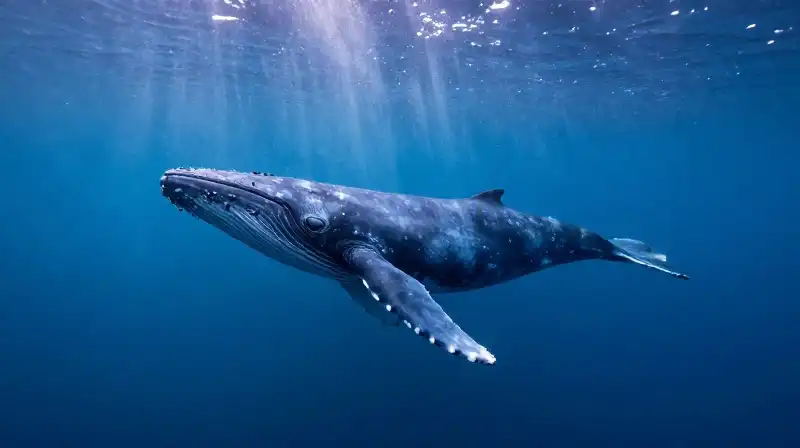
Spanning approximately 17% of the Earth’s surface, the Atlantic Ocean is a massive, dynamic engine that shapes our global climate and supports a staggering variety of life. As the world’s second-largest ocean, it covers about 24% of the planet’s total water surface. Beyond its sheer scale, the Atlantic is a place of geological constant motion and extreme environmental contrasts, from the icy reaches of the North Atlantic to the sun-drenched waters near the equator. Understanding the Atlantic means looking past the surface to explore underwater mountain ranges, swirling current systems, and the delicate balance of marine ecosystems that rely on its unique chemistry.
The Architecture of the Atlantic
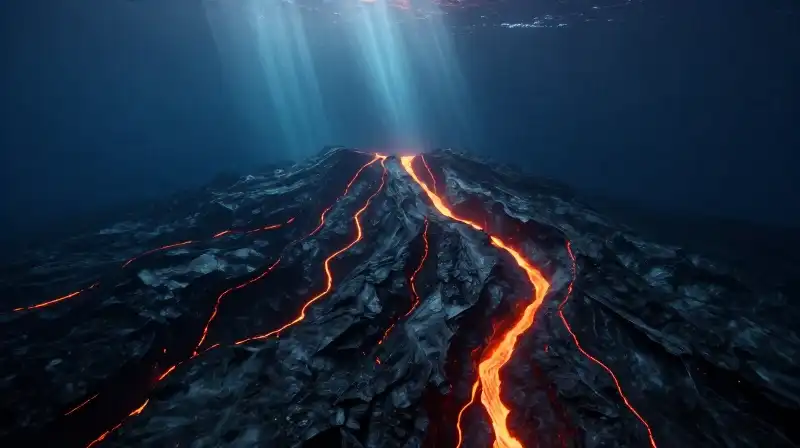
The Atlantic is far from a flat, featureless basin. It is defined by massive geological structures and dramatic variations in depth that dictate where and how marine life can thrive.
The Mid-Atlantic Ridge
Running down the center of the ocean is the Mid-Atlantic Ridge, the longest underwater mountain range on the planet. This isn’t just a static range of peaks; it serves as a divergent boundary where tectonic plates are slowly pulling apart. As these plates move away from each other, magma rises from beneath the crust, constantly creating new oceanic floor. This process makes the Atlantic a living, growing geological feature.
Vertical Extremes: From Sunlight to the Abyss
The Atlantic’s depth varies wildly depending on where you are. While the average depth sits between approximately 3,339 and 3,646 meters, the ocean floor drops into terrifying depths in specific locations. The deepest known point in the Atlantic is the Milwaukee Deep, located within the Puerto Rico Trench, which reaches depths of roughly 8,376 to 8,605 meters.
| Feature | Detail |
|---|---|
| Average Depth | 3,339 – 3,646 meters |
| Deepest Point | Milwaukee Deep (Puerto Rico Trench): ~8,376 – 8,605 meters |
| Surface Salinity | 33 to 37 parts per thousand |
| Temperature Range | Below −2 °C (28 °F) to over 30 °C (86 °F) |
Essential Facts About the Atlantic Ocean
To understand what makes this ocean special, we have to look at its unique biological and geographical quirks.
- The Sea of Atlas: The name “Atlantic” isn’t arbitrary; it is derived from the Greek word for “Sea of Atlas,” referencing the Titan from Greek mythology who was famously punished by Zeus to carry the weight of the heavens on his shoulders.
- A Sea Without Land: Most seas are defined by the land that surrounds them, but the Sargasso Sea is an exception. Located in the Central Atlantic, it is defined entirely by four surrounding ocean currents rather than land boundaries, and is known for its thick, floating mats of Sargassum seaweed.
- Climate Regulation: The Atlantic doesn’t just hold water; it moves heat around the planet. Large-scale currents like the North Atlantic Gyre are critical to global climate. A prime example is the Gulf Stream, which carries warm water toward Europe, preventing the continent’s temperatures from dropping to uninhabitable levels.
- An Ocean of Many Seas: The Atlantic acts as a primary source for several significant marginal or “inland” seas, including the Mediterranean, the Baltic, and the Black Seas.
Marine Life and Human Interaction
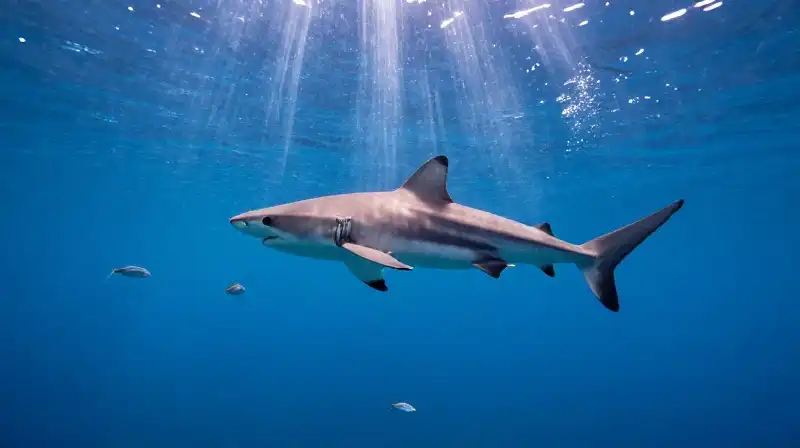
The Atlantic is a vital habitat, but it is also a place where human activity and marine life often collide, sometimes resulting in misconceptions about safety and conservation.
Addressing the Shark Myth
Public concern regarding shark attacks in Atlantic waters is often disproportionate to the actual risk. While shark encounters can be frightening, statistical comparisons show they are statistically rare compared to other daily hazards. For instance, in a specific study period in Florida, 139 shark attacks were recorded, yet in that same year, 2,600 Americans were injured by something as common as room fresheners. This highlights the need to view marine predators through a lens of science rather than sensationalism.
The Conservation Crisis
While individual encounters with large predators may be rare, the systemic threat to marine life is immense. Human activity, specifically through fishing practices, has a massive impact on Atlantic biodiversity. It is estimated that between 20 to 100 million sharks are killed annually through fishing activities alone. This level of extraction poses a significant threat to the stability of the ocean’s food webs.
Why the Atlantic Matters
The Atlantic Ocean is much more than a vast body of salt water; it is a complex, interconnected system that regulates the temperature of our planet and drives the movement of tectonic plates. From the sunlit surfaces of the Sargasso Sea to the crushing depths of the Puerto Rico Trench, its diversity of environments supports life in forms we are still working to fully understand. Protecting this ocean means recognizing that its health—and the health of the currents and creatures within it—is inextricably linked to the stability of life on land.
Facts sourced from peer-reviewed marine biology research, NOAA, and the Smithsonian Ocean Portal. Our editorial team fact-checks all content against current scientific literature.
Related Articles