
Tree Octopus Facts: The Truth Behind the Internet Hoax


Introduction
Imagine walking through the misty, moss-covered temperate rainforests of the Olympic Peninsula and spotting a small, eight-armed creature clinging to a hemlock branch. According to certain corners of the internet, this isn’t a hallucination, but the Pacific Northwest tree octopus (*Octopus paxarbolis*). This creature is described as an amphibious marvel, capable of leaving the ocean to navigate the forest canopy. However, there is a catch: the tree octopus does not exist. It is one of the most enduring and successful internet hoaxes in digital history, designed not to inform, but to test our ability to distinguish fact from fiction.
The Anatomy of an Internet Legend
The myth of the tree octopus was born in 1998, created by a humor writer named Lyle Zapato. Rather than a simple joke, the hoax was presented through a sophisticated, dedicated website that mimicked the tone and structure of a legitimate scientific resource. By using authoritative language and presenting “biological data,” the site successfully convinced thousands of readers that a new species of cephalopod had been discovered in the Pacific Northwest.
The hoax gained traction because it provided enough “scientific” detail to satisfy casual curiosity. The website claimed the species possessed a highly developed intelligence, specifically noting that they have the largest brain-to-body ratio of any known mollusk.
The “Facts” of the Tree Octopus
To make the deception convincing, the creators developed an entire ecosystem of fake biological traits. While these are entirely fabricated, they serve as a fascinating case study in how misinformation is constructed. Below are the primary “facts” presented by the hoax:
- Amphibious Locomotion: The legend claims these octopuses use a specialized form of movement called “tentaculation,” utilizing their sensitive suckers to grip tree bark and branches.
- Size and Scale: The fictitious creatures are said to average between 30 and 33 cm from the tip of their mantle to the tips of their arms.
- Color Communication: The myth suggests the octopus uses color changes to signal emotions: red for anger, white for fear, and a mottled brown pattern for camouflage.
- Reproductive Cycles: According to the lore, the species is tied to the Puget Sound, migrating annually to spawning grounds in the Hood Canal every spring.
- Ecological Predators: The fabricated narrative includes a list of predators ranging from the natural (bald eagles and domestic cats) to the mythical (Sasquatch).
Fabricated Threats and Conservation Narratives

A key element of the hoax was the use of a “conservation” narrative to trigger emotional responses. Real marine biology often focuses on the plight of endangered species, and the tree octopus hoax borrowed this urgency to gain credibility. The hoax claimed the species was facing extinction due to several factors:
- Habitat Loss: Logging and suburban encroachment in the Pacific Northwest were cited as primary threats to their forest homes.
- The “Illegal Octopus Trade”: In a particularly bizarre addition to the lore, the hoax claimed that a historical trade existed where these creatures were captured to be used as decorative hat ornaments.
Why the Tree Octopus Matters to Science and Society
If the animal isn’t real, why is it still discussed in academic and marine biology circles? The tree octopus has transitioned from a biological myth to a vital tool for teaching digital literacy. It serves as a primary example of how easily people—including students—can be deceived by polished, professional-looking websites.
Studies involving school children have demonstrated high rates of gullibility regarding the site, with many students incorrectly reporting the website as a reliable, factual source of information. Because of its profound impact on how we understand online misinformation, the tree octopus website was eventually selected for inclusion in the Library of Congress’s Web Culture’s Web Archive.
The Reality of Marine Biology
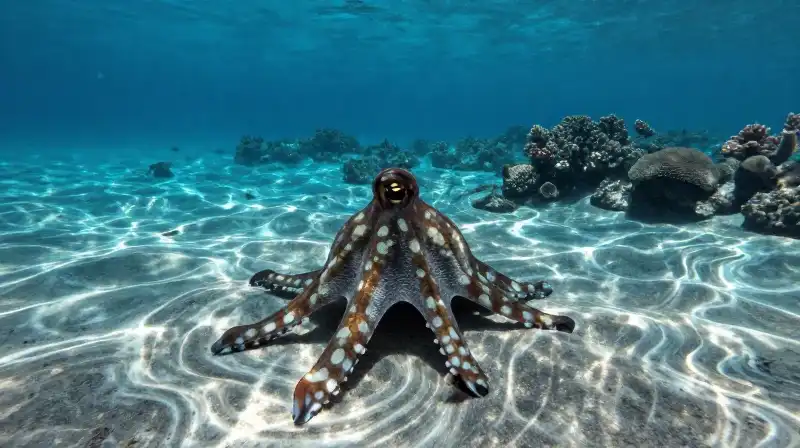
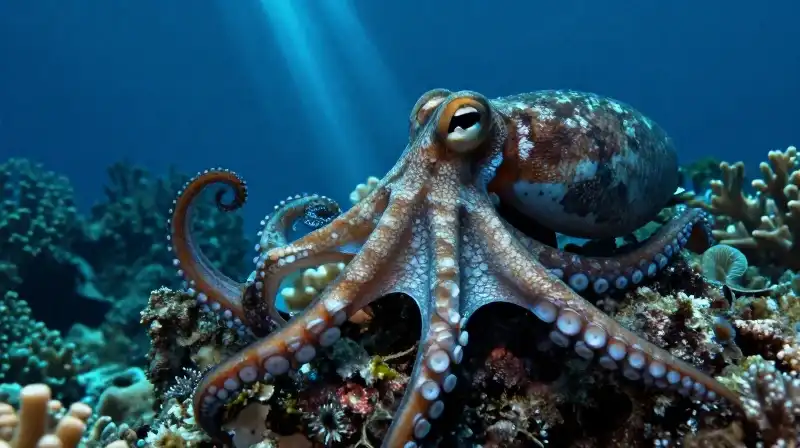
While the Pacific Northwest tree octopus is a masterclass in digital deception, it reminds us of the incredible creativity of the human mind—and the importance of skepticism. In the real ocean, cephalopods like the mimic octopus or the giant Pacific octopus perform truly miraculous feats of camouflage and intelligence that are just as fascinating as any internet legend, without the need for fabrication. When searching for tree octopus facts, the most important fact to remember is that the species is a fiction, making it a cornerstone of modern lessons in internet literacy and critical thinking.
Facts sourced from peer-reviewed marine biology research, NOAA, and the Smithsonian Ocean Portal. Our editorial team fact-checks all content against current scientific literature.
Related Articles