
12 Surprising Facts About the Little Blue Penguin

Introduction
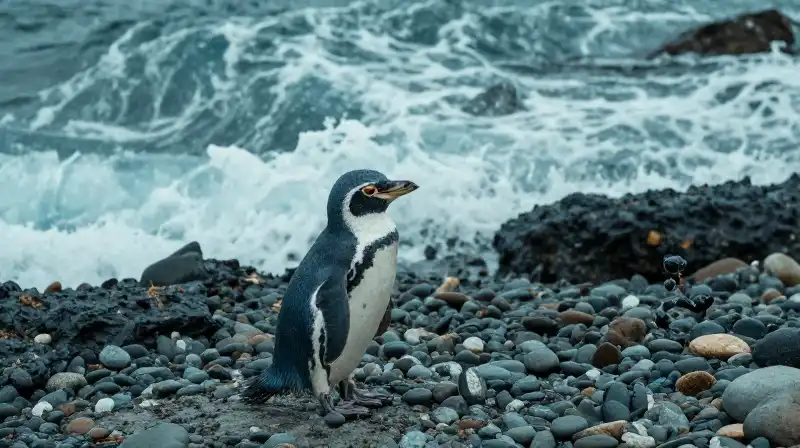
At first glance, you might mistake them for a trick of the light or a cluster of small, blue-tinted stones along a coastline. But these are the Little Blue Penguins (*Eudyptula minor*), the smallest penguin species on the planet. Also known as the kororā or fairy penguin, these diminutive birds trade the icy Antarctic landscapes of their larger cousins for the temperate waters of Australia and New Zealand. Despite their small stature, they lead lives defined by high-speed swimming, complex social structures, and ingenious survival tactics that make them one of the most fascinating subjects in marine biology.
Small in Stature, Big in Character
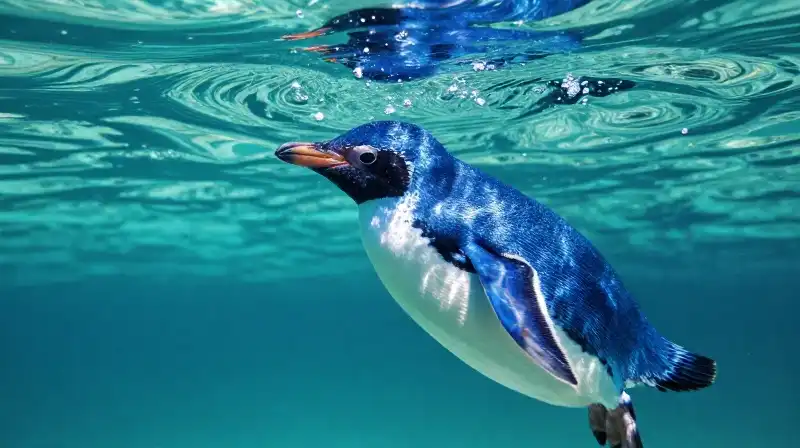
When people ask, “What is a small penguin called?” the answer is often the Little Blue Penguin. While many people associate penguins with massive, tuxedoed birds like the Emperor, these birds are tiny enough to fit comfortably in a human’s hands. Their distinct indigo-blue plumage is what gives them their common name and separates them from the black-and-white color palettes of most other species.
To understand just how compact these birds are, consider the following physical profile:
| Metric | Measurement (Approximate) |
|---|---|
| Height | 25–35 cm |
| Weight | Just over 1 kg |
| Diving Depth | Up to 35 metres |
| Swimming Speed | Approximately 6 km/hr |
12 Surprising Facts About the Little Blue Penguin
Beyond their diminutive size, these penguins possess behaviors that challenge common misconceptions about penguin life. Here are some of the most interesting facts about little penguins:
- They are year-round residents: Unlike many other penguin species that undertake massive annual migrations to find food or breeding grounds, little penguins typically remain at their colonies year-round.
- They hunt in “rafts”: To avoid being picked off by predators during the day, little penguins wait until after sunset to return to land, often arriving in groups known as “rafts”.
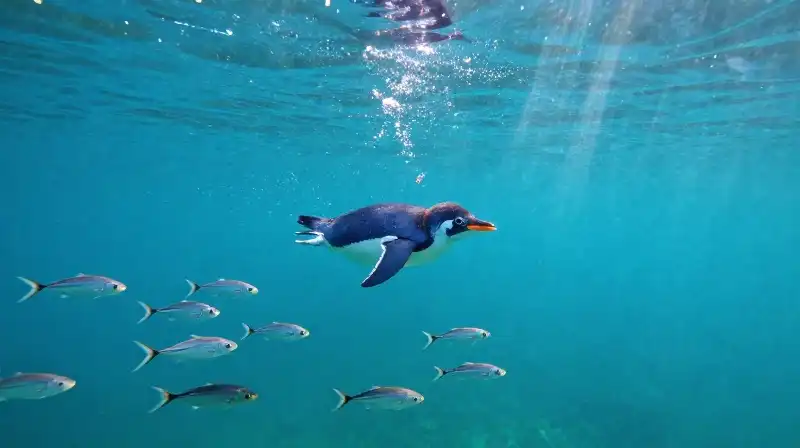
- They are opportunistic eaters: Rather than specializing in one type of prey, they are generalist eaters. They consume whatever fits in their beaks, which commonly includes squid, jellyfish, anchovies, and pilchards.
- They have a high-velocity hygiene system: To keep their nesting burrows clean without constantly leaving the safety of their shelter, they possess the highest “velocity poo” of any animal, capable of projecting waste up to 50 cm away.
- They take “micro-naps” at sea: Their sleep patterns differ significantly from humans. Little penguins can sleep while floating on the ocean surface, typically taking short naps of about four minutes at a time.
- Social monogamy is temporary: A common myth is that all penguins mate for life. However, little penguins are only socially monogamous during a single breeding season. They are sexually promiscuous, and depending on breeding success, “divorce” rates between partners can range from 18% to 50%.
- They use paddle-like flippers: To navigate their marine environment, they utilize small, specialized flippers that allow them to maneuver through the water with surprising agility.
- Longevity varies by age: While the average lifespan is roughly seven years, those that successfully reach breeding age—usually between two and three years old—often live into their teens or longer.
- They prefer artificial homes: As coastal development destroys natural nesting sites, conservationists have introduced artificial wooden nest boxes. Interestingly, some studies suggest little penguins actually prefer these man-made boxes over natural sites.
- They are vulnerable to oil spills: Ingesting oil is toxic to these birds, and more critically, oil prevents their feathers from drying properly. This leaves them highly susceptible to hypothermia.
- They have unique canine protectors: To defend colonies from invasive predators like foxes, conservationists have successfully used trained Maremma sheepdogs to deter threats.
- They have even worn sweaters: In a unique response to oil spills, volunteers have previously knitted sweaters for penguins to help maintain their body heat and protect them from toxins until they could be professionally cleaned.
Common Questions About Little Penguins
Why are they called little penguins?
The name is a direct reference to their size. As the world’s smallest penguin species, their height and weight are significantly lower than any other penguin in existence, making “little” the most accurate descriptor for the species.
What do little penguins eat?
As generalist foragers, their diet is quite varied. They primarily hunt small marine life that they can swallow whole, such as anchovies, pilchards, squid, and jellyfish.
The Importance of Marine Conservation
The survival of the Little Blue Penguin is closely tied to the health of the coastal ecosystems they inhabit. Because they rely on specific nesting habitats and a steady supply of small fish, they are highly sensitive to human interference. Coastal development, the introduction of invasive predators, and the devastating effects of oil spills all pose direct threats to their populations. Through the use of artificial nesting boxes, predator control, and dedicated volunteer efforts, conservationists are working to ensure that these tiny, indigo-hued travelers continue to thrive in the Southern Hemisphere.
Ultimately, the little penguin reminds us that even the smallest creatures play a vital role in the ocean’s complex web of life. Their ability to adapt—from their unique sleeping habits to their unconventional “divorce” rates—highlights the incredible resilience and diversity of marine biology.
Facts sourced from peer-reviewed marine biology research, NOAA, and the Smithsonian Ocean Portal. Our editorial team fact-checks all content against current scientific literature.
Frequently Asked Questions
What is a small penguin called?
A small penguin is often called the Little Blue Penguin, which is also known as the kororā or fairy penguin.
Why are they called little penguins?
They are called little penguins because the name is a direct reference to their size. As the worlds smallest penguin species, their height and weight are significantly lower than any other penguin in existence.
Related Articles