15 Strange Facts About Sharks That Will Change Your Perspective

Introduction
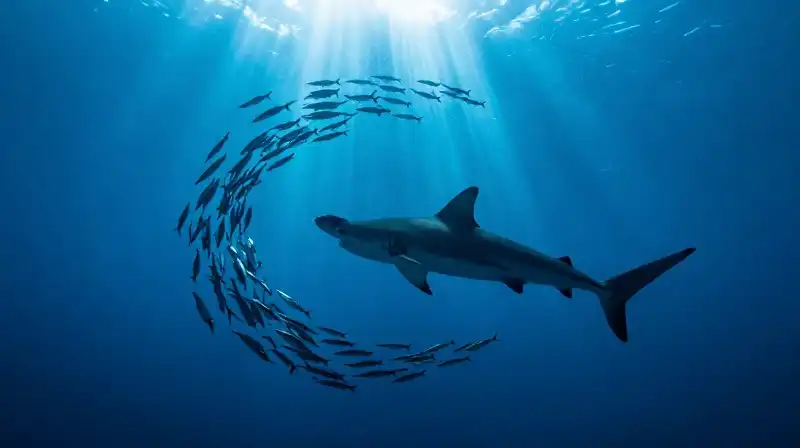
Pop culture often paints sharks as mindless, man-eating machines, but the biological reality of these predators is far more sophisticated and, in many ways, more impressive. Far from being evolutionary mistakes, sharks are masterclasses in biological engineering that have navigated the world’s oceans through multiple mass extinctions. To understand sharks is to move past the cinematic tropes and look at the specialized sensory systems, ancient lineages, and unique physiological adaptations that have allowed them to thrive for hundreds of millions of years.
Ancient Survivors of the Deep
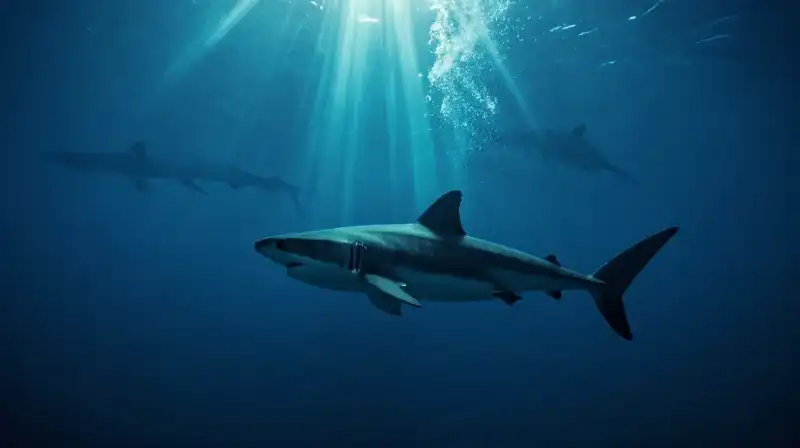
Sharks are among the most successful lineages in Earth’s history. Their longevity as a group is difficult to wrap the human mind around, as their presence in the ocean predates many landmarks of terrestrial life.
- Older than trees: Sharks have existed for approximately 455 million years. This means they appeared in the fossil record long before the first trees ever took root on land.
- Extreme longevity: While many fish live for only a few years, some species move through time at a much slower pace. The Greenland shark is a notable example, with some individuals potentially reaching ages of 500 years or more.
Built Differently: Anatomy and Senses
A shark’s body is designed for efficiency, buoyancy, and high-precision hunting. Unlike the bony fish most people are familiar with, sharks belong to a group called elasmobranchs, which dictates much of how they move and function.
Cartilage and Buoyancy
Sharks do not have a skeleton made of true bone. Instead, they possess a frame made of cartilaginous tissue. This provides several advantages:
- Lightweight Movement: Cartilage is lighter and more flexible than bone, aiding in agile swimming.
- Oil-Based Buoyancy: Because cartilage is not as dense as bone, and because sharks lack a swim bladder (the gas-filled organ many bony fish use to float), they rely on large livers filled with low-density oils to manage their buoyancy.
The Mechanics of Hunting
To be effective predators, sharks have evolved specialized physical traits that assist in both the pursuit and the consumption of prey.
- Dermal Denticles: If you were to touch a shark, it would feel like sandpaper. This is due to dermal denticles—tiny, tooth-like scales covering their skin that help reduce water friction and allow for smoother, more efficient swimming.
- The Endless Tooth Supply: Sharks are prolific tooth-producers. A single shark can shed more than 30,000 teeth over its lifetime, with multiple rows of “backup” teeth waiting in the gums to fill any gaps left by lost ones.
- Specialized Dentition: Not all shark teeth are the same. For example, the Mako shark possesses sharp, pointed teeth designed for gripping, while the Great White shark has triangular, serrated teeth suited for shearing.
Advanced Sensory Systems
Sharks perceive a world that is invisible to humans. They use a combination of light, temperature, and electricity to navigate and hunt.
- Electroreception: Small black spots located near the nose and eyes, known as the ampullae of Lorenzini, allow sharks to detect the minute electromagnetic fields produced by the muscle contractions of living prey.
- Night Vision: Many sharks are highly effective hunters in low-light environments thanks to a reflective layer of tissue in their eyes called the tapetum, which enhances their ability to see in the dark.
Strange Behaviors and Physiological Quirks
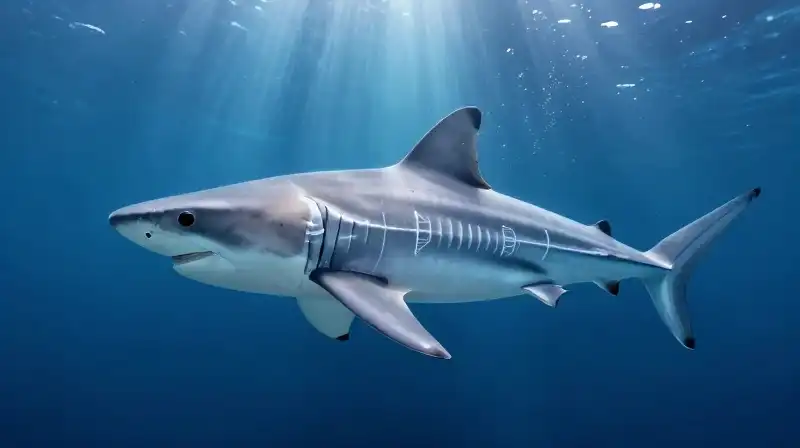
Beyond their physical build, shark behavior can be remarkably specialized, ranging from how they breathe to how they compete for survival.
| Behavior/Trait | Description | Context |
|---|---|---|
| Spiracles | Specialized openings behind the eyes. | Allows bottom-dwellers, like nurse sharks, to breathe while resting without having to move forward to push water over their gills. |
| Tonic Immobility | A trance-like state. | Occurs when a shark is flipped upside down, causing a temporary state of physical inactivity. |
| Intrauterine Competition | Competition within the womb. | Observed in species like the sand tiger shark, where pups may engage in competition while still in utero. |
Busting the “Monster” Myth
The most important thing to understand about sharks is the discrepancy between their reputation and the actual statistical risk they pose to humans. While media depictions often present them as apex threats, the numbers tell a different story.
According to the primary threat to sharks is not humans, but rather human activity. While fisheries are a primary driver of shark mortality—with an estimated 100 million sharks killed annually—only about five humans are killed by shark attacks each year. Sharks are far more vulnerable to human intervention than humans are to sharks.
Why These Facts Matter
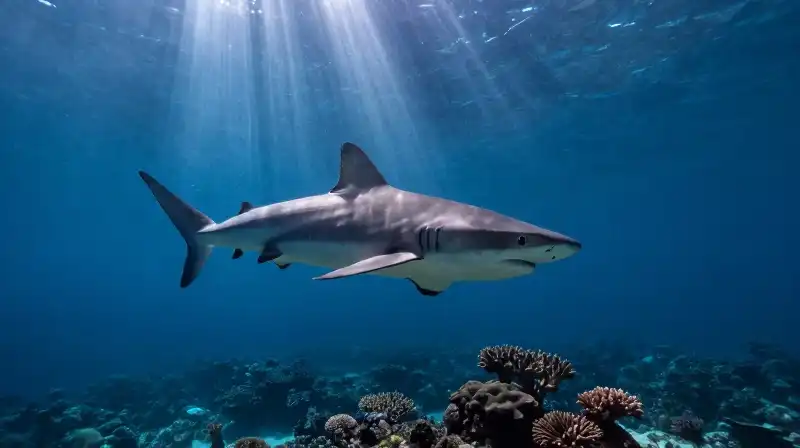
Understanding these strange facts about sharks shifts the perspective from fear to fascination. They are not mere “monsters” of the deep; they are ancient, highly specialized organisms that have mastered the art of survival across millions of years. From their sandpaper-like skin to their ability to sense the very electricity of life, every aspect of a shark’s biology is a testament to evolutionary precision. Recognizing their true nature and the immense pressure their populations face from global fisheries is the first step in moving toward meaningful marine conservation.
Facts sourced from peer-reviewed marine biology research, NOAA, and the Smithsonian Ocean Portal. Our editorial team fact-checks all content against current scientific literature.
Related Articles