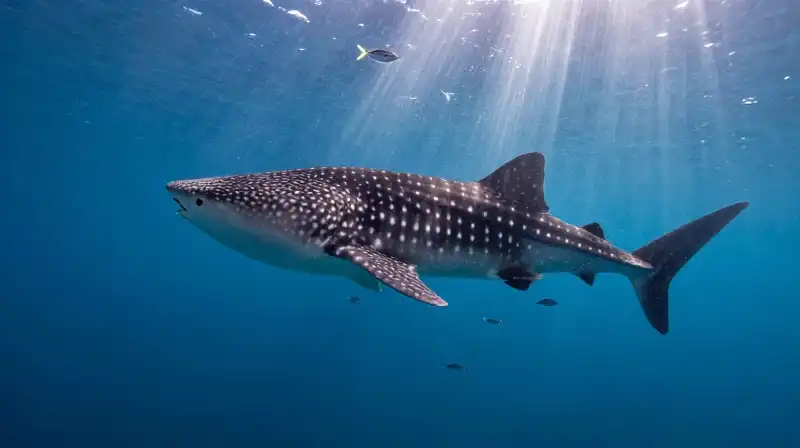
12 Fascinating Fun Facts About Tiger Sharks You Should Know


Introduction
While pop culture often casts sharks as mindless ocean monsters, the tiger shark offers a much more complex and fascinating reality. These massive predators are defined by their striking patterns and an almost unparalleled adaptability to their environment. From their ability to navigate the dark using specialized biological “hardware” to their reputation as the ocean’s most opportunistic eaters, tiger sharks are essential components of the marine ecosystem. Understanding them requires looking past the sensationalized headlines to the actual biology and behavior that make them one of the sea’s most remarkable inhabitants.
12 Fascinating Fun Facts About Tiger Sharks
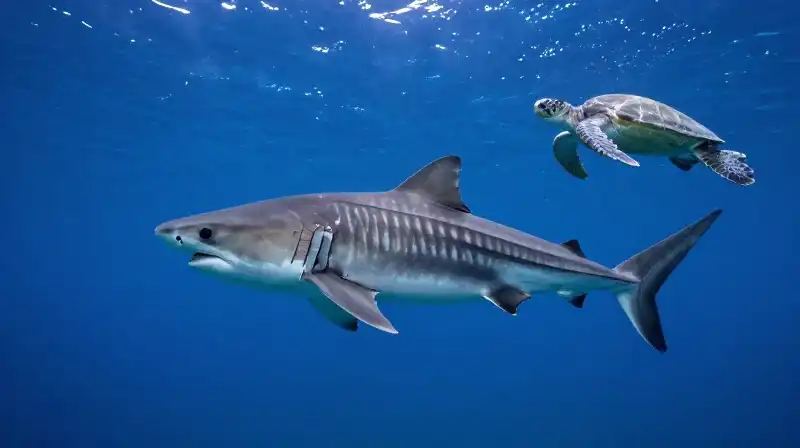
- Impressive Size and Scale: Tiger sharks are among the largest predatory sharks in the world. While they typically reach lengths of 10 to 14 feet (3 to 4.3 meters) and weigh over 850 pounds (385 kilograms), they can grow much larger. The largest individual ever recorded was a staggering 24.6 feet long, weighing 1,780 pounds.
- The “Dustbin of the Sea”: This nickname stems from their incredibly varied diet. While they naturally hunt seals, turtles, rays, dolphins, and other sharks, they are notoriously opportunistic. They have been known to consume human-made debris, including metal, plastic, and burlap bags.
- Distinctive Striped Patterns: Their namesake comes from the dark vertical stripes and spots that adorn their bodies. These markings are most prominent in juveniles and tend to fade as the shark reaches adulthood.
- Superior Night Vision: Much like domestic cats, tiger sharks possess a layer of reflective tissue called the tapetum lucidum behind their retinas. This allows them to see in low-light conditions with roughly ten times the efficiency of a human.
- Electrical Sensing Abilities: They can detect the tiny electrical fields generated by the muscle movements of potential prey. This is made possible by the ampullae of Lorenzini—highly sensitive, jelly-filled sensory organs located on their noses and lower jaws.
- Unique Jaw Anatomy: Unlike many other predatory sharks, tiger sharks possess almost square-shaped jaws. They also feature a more even distribution of teeth between the upper and lower jaws, aiding their ability to tackle a wide range of prey.
- Social Complexity: Contrary to the belief that they are strictly solitary hunters, research suggests tiger sharks are social creatures. They have been observed socializing in shallower coastal waters and have even demonstrated group hunting strategies.
- The Reality of Tonic Immobility: The idea that flipping a shark over puts it into a trance is a biological reality, not an urban legend. When a tiger shark is flipped onto its back or has its nose stimulated, it can enter a state of “tonic immobility,” a trance-like, paralyzed state that can last up to 15 minutes.
- Genetically Distinct Populations: While scientists once viewed tiger sharks as a single global population, 2021 research revealed that those in the Atlantic and the Indo-Pacific are genetically distinct due to long-term isolation.
- Cultural Significance: In Hawaiian culture, sharks are not viewed with fear, but with reverence. The shark god Kāmohoaliʻi is a respected guardian of the ocean, and sharks are often considered ʻaumakua, or sacred family gods.
- Misunderstood Aggression: Despite their reputation as “man-eaters,” tiger sharks rarely attack humans. There have been just over 100 unprovoked attacks ever recorded.
- A “Near Threatened” Status: Tiger sharks are currently listed as “Near Threatened” on the IUCN Red List. They face ongoing pressure from habitat loss, overfishing, bycatch in gillnets and longlines, and the commercial demand for their fins, skin, and oil.
Comparing Tiger Shark Dimensions
To understand the scale of these animals, it is helpful to compare the typical adult size against the largest recorded specimens.
| Metric | Typical Adult | Largest Recorded |
|---|---|---|
| Length | 10–14 feet (3–4.3m) | 24.6 feet |
| Weight | 850+ lbs (385+ kg) | 1,780 lbs |
Common Questions About Tiger Sharks

Can tiger sharks jump?
While many shark species are capable of breaching the water, specific data regarding the jumping frequency of tiger sharks is less commonly highlighted in general biology. However, their massive size and powerful builds are optimized for efficient cruising and sudden bursts of speed through the water column.
How many hearts do tiger sharks have?
Like all sharks, tiger sharks have a single, powerful heart that pumps blood through their circulatory system. This single-heart system is highly efficient for maintaining the oxygen levels required for an apex predator.
Conservation and the Future of the Species
The tiger shark plays a vital role in maintaining the balance of marine ecosystems by regulating prey populations. However, their status as “Near Threatened” highlights a precarious future. The intersection of human activity—specifically overfishing and the accidental capture of sharks in fishing gear (bycatch)—poses a significant challenge to their survival. Protecting these animals is not just about preserving a single species, but about maintaining the health and stability of the oceans they inhabit.
Ultimately, the tiger shark is far more than a predator to be feared. They are highly evolved, socially complex, and culturally significant creatures that bridge the gap between the visible surface world and the mysteries of the deep sea.
Facts sourced from peer-reviewed marine biology research, NOAA, and the Smithsonian Ocean Portal. Our editorial team fact-checks all content against current scientific literature.
Frequently Asked Questions
Can tiger sharks jump?
While many shark species can breach the water, specific data regarding how often tiger sharks jump is less commonly highlighted. Their massive size and powerful builds are instead optimized for efficient cruising and sudden bursts of speed.
How many hearts do tiger sharks have?
Tiger sharks have a single, powerful heart that pumps blood through their circulatory system.
Related Articles