
5 Fascinating Pink Dolphin Facts and Survival Threats

Introduction
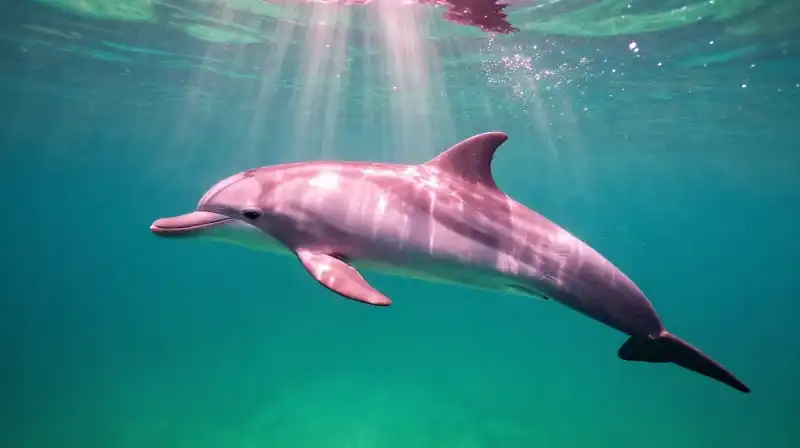
Deep within the tea-colored, sediment-rich waters of the Amazon and Orinoco river basins, a creature exists that looks more like a myth than a mammal. The pink river dolphin, scientifically known as Inia geoffrensis and commonly called the “boto,” defies the typical image of a sleek, grey marine dolphin. These freshwater cetaceans navigate complex flooded forests and winding river channels across South America, including parts of Brazil, Colombia, Peru, Venezuela, Bolivia, Ecuador, and Guyana.
While they share these river systems with the grey or tuxuci river dolphin (*Sotalia fluviatilis*), the boto is instantly recognizable by its striking coloration and distinct physical profile. However, beneath their ethereal appearance lies a species facing significant biological and environmental pressures that threaten their long-term survival in the wild.
5 Fascinating Pink Dolphin Facts
To understand why the boto is so unique among marine and freshwater mammals, one must look closer at its physical capabilities and its enigmatic behavior.
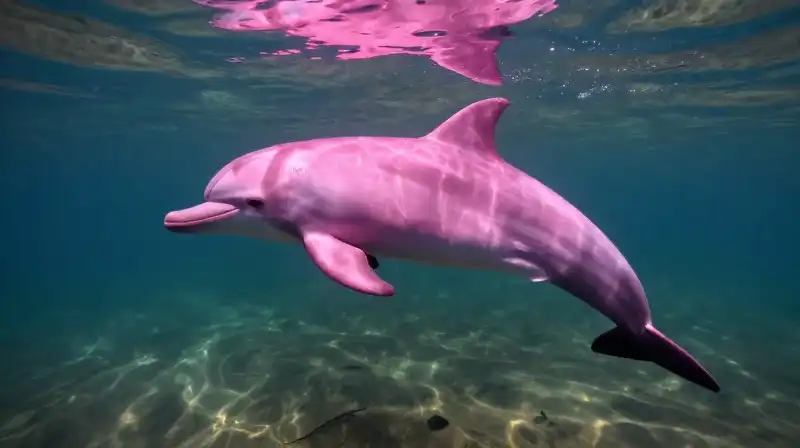
- Unusual Pink Coloration: Unlike marine dolphins, which typically maintain a consistent grey hue, the boto’s skin can appear vividly pink. This coloration is not uniform and can vary depending on the individual’s age and activity levels.
- Impressive Physical Stature: Despite being freshwater inhabitants, these dolphins are substantial animals. An adult pink river dolphin can reach lengths of up to 9.2 feet and weigh as much as 352 pounds.
- A Mystery of Behavior: While marine dolphins are famous for leaping high out of the water in acrobatic displays, the pink river dolphin is much more elusive. According to researchers still consider many of their specific behaviors and life characteristics to be largely unfathomable.
- River-Adapted Anatomy: While not explicitly detailed in the summary, their ability to navigate the dense, flooded forests of the Amazon sets them apart from their oceanic cousins, allowing them to hunt in environments that would be impassable for most other large cetaceans.
- Cultural Iconography: The boto holds a powerful place in South American folklore. In local traditions, these dolphins are figures of myth that have been both revered and reviled, often appearing in stories that blend the line between reality and the supernatural.
Comparing River Dolphin Species
It is common to confuse the pink river dolphin with other species found in the same habitats. The following table clarifies the primary differences between the boto and its frequent neighbor, the tuxuci.
| Feature | Pink River Dolphin (Boto) | Tuxuci River Dolphin |
|---|---|---|
| Scientific Name | Inia geoffrensis | Sotalia fluviatilis |
| Appearance | Distinctly pink coloration | More marine-like appearance |
| Primary Habitat | Amazon and Orinoco basins | Shared river systems |
Survival Threats and Conservation Status
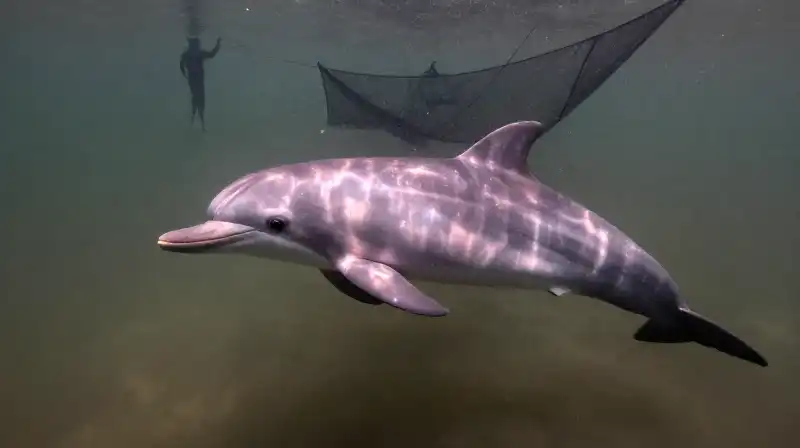
The pink river dolphin is currently classified as an endangered species. Their survival is challenged by a combination of chemical pollution, habitat alteration, and direct human conflict.
Mercury Pollution and the Food Chain
One of the most insidious threats is mercury pollution stemming from small-scale gold mining. As mercury enters the river systems, it moves up the food chain. Because pink river dolphins often feed on bottom-feeding catfish, they are particularly susceptible to accumulating high levels of mercury in their bodies.
Human Conflict and Fishing Practices
Human activity presents several direct dangers to the species:
- Competition for Food: In areas where fish stocks are dwindling, humans sometimes view dolphins as competitors and kill or injure them.
- Use as Bait: In specific regions of the Brazilian and Colombian Amazon, dolphins are deliberately killed to be used as bait for the “mota” catfish fishery.
Habitat Fragmentation via Dams
The construction of dams poses a long-term structural threat. Dams fragment river habitats, which can disrupt the natural movement of the dolphins and potentially affect the overall size and dispersal of different populations.
Common Questions About Pink Dolphins
How many pink dolphins are left in the world?
While specific global population counts are difficult to finalize due to the vastness of the Amazon, the species is officially classified as endangered, indicating a significant and concerning decline in their numbers.
Are pink dolphins dangerous?
While they are powerful animals, the primary concern regarding “danger” is actually the reverse: the dolphins are at high risk from human activities, such as fishing competition and mercury exposure, rather than being a threat to humans.
Why are pink dolphins pink?
The exact biological reason for their pink hue is a subject of ongoing study, but it is a defining characteristic that distinguishes them from the more traditionally colored grey river dolphins.
The Importance of the Boto
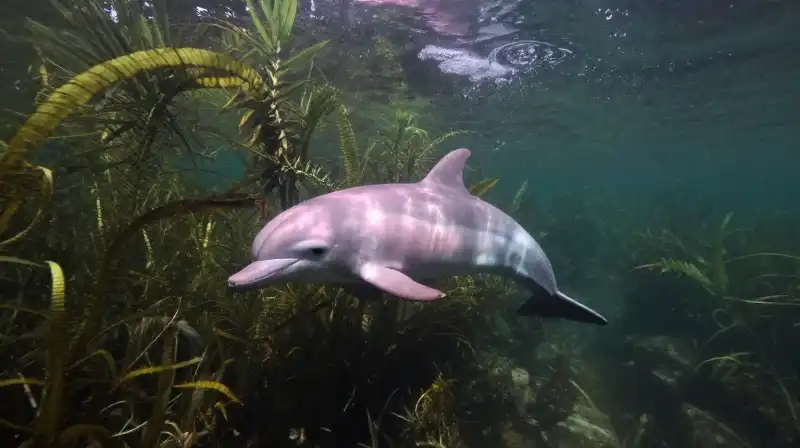
The pink river dolphin is more than just a striking visual anomaly in the Amazon; it is a sentinel species for the health of the world’s largest river systems. Their struggle with mercury, habitat fragmentation, and direct human interference reflects the broader environmental challenges facing the South American freshwater ecosystems. Protecting the boto means protecting the intricate, interconnected web of life that sustains the Amazon and Orinoco basins.
Facts sourced from peer-reviewed marine biology research, NOAA, and the Smithsonian Ocean Portal. Our editorial team fact-checks all content against current scientific literature.
Frequently Asked Questions
What are 5 interesting facts about pink dolphins?
Pink river dolphins have non-uniform pink skin, can grow up to 9.2 feet long and weigh 352 pounds, and possess elusive behaviors that remain largely unfathomable to researchers. They also feature river-adapted anatomy for navigating flooded forests and serve as powerful figures in South American folklore.
Related Articles