15 Amazing Facts About the Sea and Its Mysterious Wonders

Introduction
While we walk on dry land, the vast majority of our planet is a liquid world. The ocean covers approximately 70% of the Earth’s surface and holds about 96.5% of the total water on the planet. Despite its massive scale, much of this realm remains a mystery; humans have explored only about 5% of the world’s oceans, leaving the deep sea and its inhabitants largely undiscovered.
From the sunlit surfaces of coral reefs to the crushing pressures of the Mariana Trench, the sea is a place of extremes. It is a world where animals can change their biological sex, where blood can run blue, and where mountains stretch for thousands of kilometers beneath the waves. To understand the sea is to understand the life-support system of our planet.
The Scale of the Deep: Geography and Depth
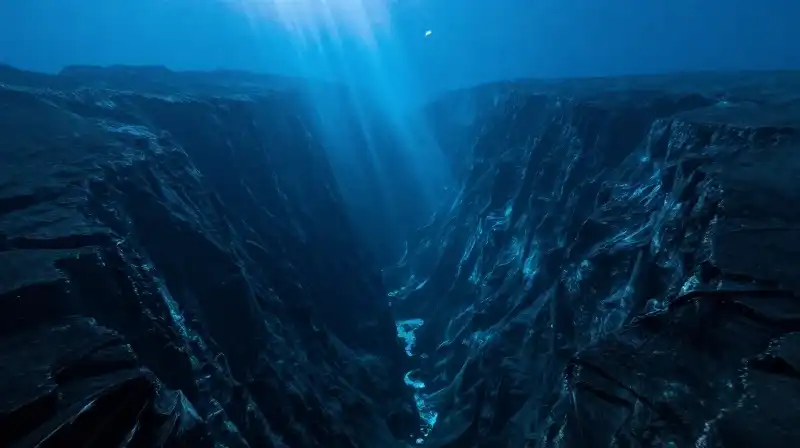
The sheer physical dimensions of the ocean are difficult to grasp. It is not just a flat expanse of water, but a complex landscape of valleys, ridges, and peaks.
- The Deepest Point: The most extreme depth in our oceans is found in the Mariana Trench, which plunges approximately 11km down.
- Underwater Mountains: The Mid-Oceanic Ridge is the longest mountain range on Earth. Unlike the mountain ranges we see on land, this massive structure stretches over 56,000km along the ocean floor.
- Living Structures: The Great Barrier Reef stands as the largest living structure on Earth. Measuring roughly 2,600km, it is so massive that it is even visible from the Moon.
- Historical Repositories: Because of its vast size and many inaccessible areas, the ocean acts as a massive historical archive, containing more artifacts and remnants of human history than all the world’s museums combined.
Marine Biology: Extraordinary Adaptations
Survival in the ocean requires specialized biological tools. Some creatures have evolved unique anatomy to navigate their environments, while others possess sensory abilities that far exceed our own.
Unusual Anatomy and Physiology
Evolution has taken many different paths to solve the challenges of life underwater. Below are some of the most striking examples of marine adaptation:
- The Flexibility of the Octopus: An octopus is remarkably agile because its only rigid body part is its beak. This allows the animal to squeeze its entire body through any opening that is no larger than the diameter of that beak.
- The Blue Blood of Horseshoe Crabs: While humans have red blood due to iron-based hemoglobin, horseshoe crabs possess blue blood because their blood contains copper.
- Photosynthetic Animals: In a rare crossover between animal and plant kingdoms, certain marine life, such as the “leaf sheep” sea slug, can actually photosynthesize because they consume and retain algae.
- Biological Sex Reversal: Social dynamics can dictate biology in certain species. Fish like clownfish and triggerfish have the ability to change their biological sex depending on the structure and needs of their social groups.
Sensory Wonders and Lifespans
Some marine animals possess “superpowers” that allow them to perceive the world in ways humans cannot. For instance, the mantis shrimp has the most complex eyes in the animal kingdom. While humans rely on only three types of photoreceptors to see color, the mantis shrimp features between 12 and 16 types.
Longevity also reaches incredible heights in the deep, cold waters. Greenland sharks are exceptionally long-lived; by using radiocarbon dating on their eyes, researchers have found evidence that they can live for hundreds of years.
Comparing Giants and Myths
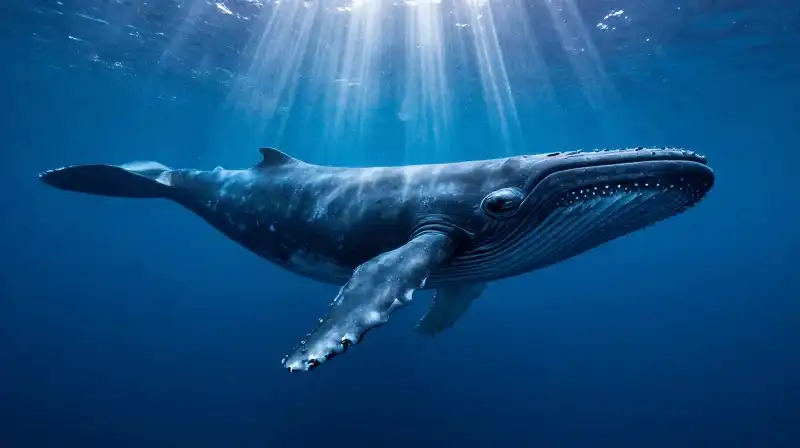
When discussing amazing facts about the sea, it is common to encounter misconceptions or difficulty in visualizing the size of certain species. The following table clarifies the scale of some of the ocean’s most famous residents.
| Subject | Notable Trait | Scale/Context |
|---|---|---|
| Blue Whale | Largest animal ever lived | Can weigh up to 247,000 pounds; tongue can weigh as much as an elephant. |
| Orca (Killer Whale) | Apex Predator | Despite their nickname, there have been no recorded attacks of wild orcas on humans. |
| Sea Levels | Historical Fluctuation | During the last ice age, sea levels were approximately 400 feet lower than they are today. |
Understanding the Changing Ocean
The ocean is not a static environment. It is constantly shifting due to geological and climatic factors. For example, sea levels fluctuate based on global climate patterns; the 400-foot difference in sea levels between the last ice age and the modern era demonstrates how much the ocean’s boundaries can move over time.
As we continue to explore the remaining 95% of our oceans, we are learning that marine life is deeply interconnected with the health of the planet. Understanding these amazing facts about the sea is the first step toward appreciating the delicate balance required to sustain such a diverse and mysterious world.
Facts sourced from peer-reviewed marine biology research, NOAA, and the Smithsonian Ocean Portal. Our editorial team fact-checks all content against current scientific literature.
Related Articles